


Choosing a packaging material sounds like it should be simple. You pick a box, put your product in it, and ship it. But anyone who has actually gone through the process knows it is not that straightforward.
The material you choose affects how your product is protected, how your packaging looks, how it feels in the customer’s hands, how much it costs per unit, and whether it can be recycled at the other end.
Get it right and your packaging does its job and then some. Get it wrong and you end up with damaged goods, reprints, or packaging options that don’t reflect the product inside the box.
This guide covers the packaging materials UK businesses encounter most often when ordering custom packaging for a physical product.
At Custom Pack Studio, we focus on paper-based packaging products for a reason. It is what we work with every day, it is what the majority of product-based businesses use for retail and ecommerce packaging, and the products we produce can be 100% recycled.
Cardboard and paperboard
When people say “cardboard” they usually mean one of two things: the thin, stiff board used in retail cartons (which is actually called paperboard), or the thicker, fluted material used in shipping boxes (that is corrugated, which we cover next).
The two are different materials with different properties.
Mixing them up can lead to ordering the wrong thing, which is a common mistake when businesses buy packaging supplies for the first time.
What paperboard is
Paperboard is a single-layer board made from pressed paper pulp.
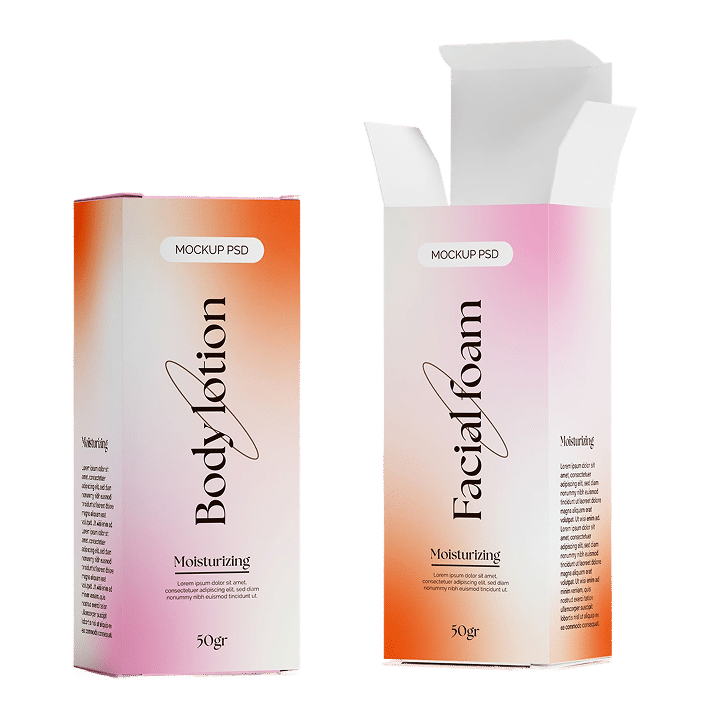
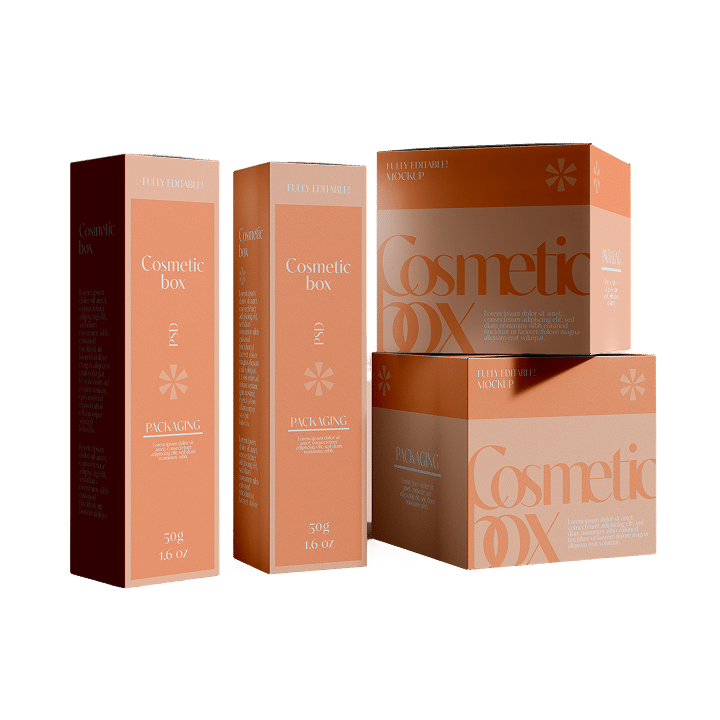
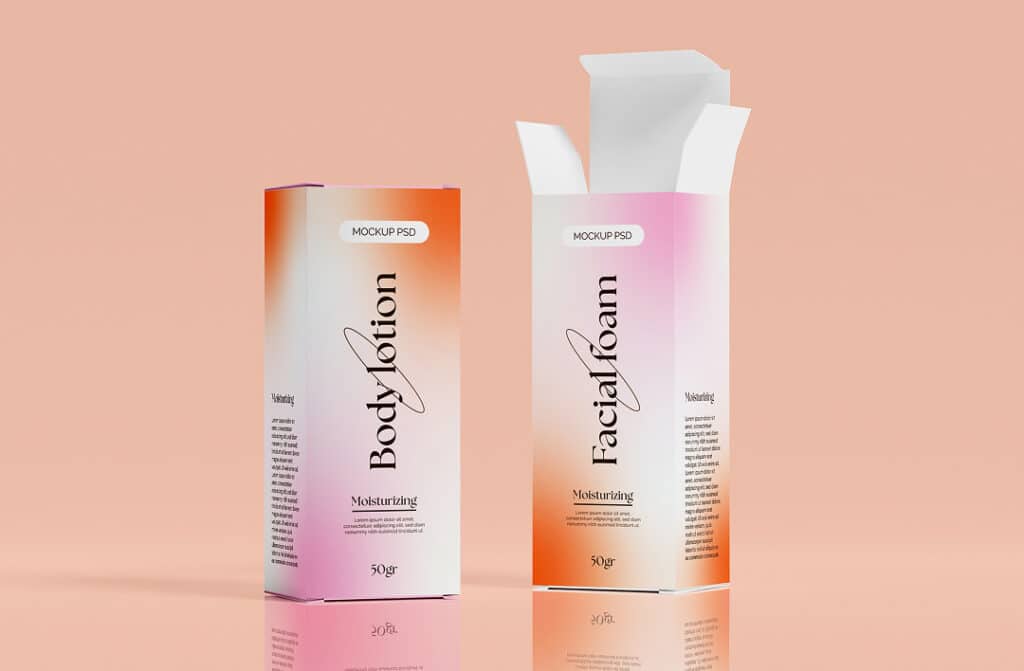
The material is used in most folding cartons. These are the kind of boxes you see on supermarket shelves holding cereal, cosmetics, pharmaceuticals, and food products.
It is smooth, takes print well, and can be scored and folded into precise shapes.
Paperboard comes in various weights measured in GSM (grams per square metre). The higher the GSM, the thicker and stiffer the board.
Most retail packaging uses board between 300gsm and 600gsm. A lightweight cosmetic carton might use 300gsm, while a heavier gift box or food carton might need 400gsm or 500gsm for structural rigidity.

Types of paperboard
Not all paperboard is the same.
The two types you will encounter most often are SBS (Solid Bleached Sulphate) and GC (Grey Chip) board.
SBS is made from virgin fibre and has a bright white surface on both sides. It produces the cleanest print results and is the go-to choice for premium packaging where colour accuracy matters.
Cosmetics, confectionery, and pharmaceuticals tend to use SBS because the print quality is noticeably sharper than on recycled alternatives.
GC board (sometimes called GC1 or GC2 depending on the quality grade) has a white coated surface on one side and a grey recycled fibre core. It is cheaper than SBS and prints well on the outer face.
GC board is widely used for retail packaging where only the outside of the box is visible. Most food cartons and everyday retail boxes use some form of it.
When to choose paperboard
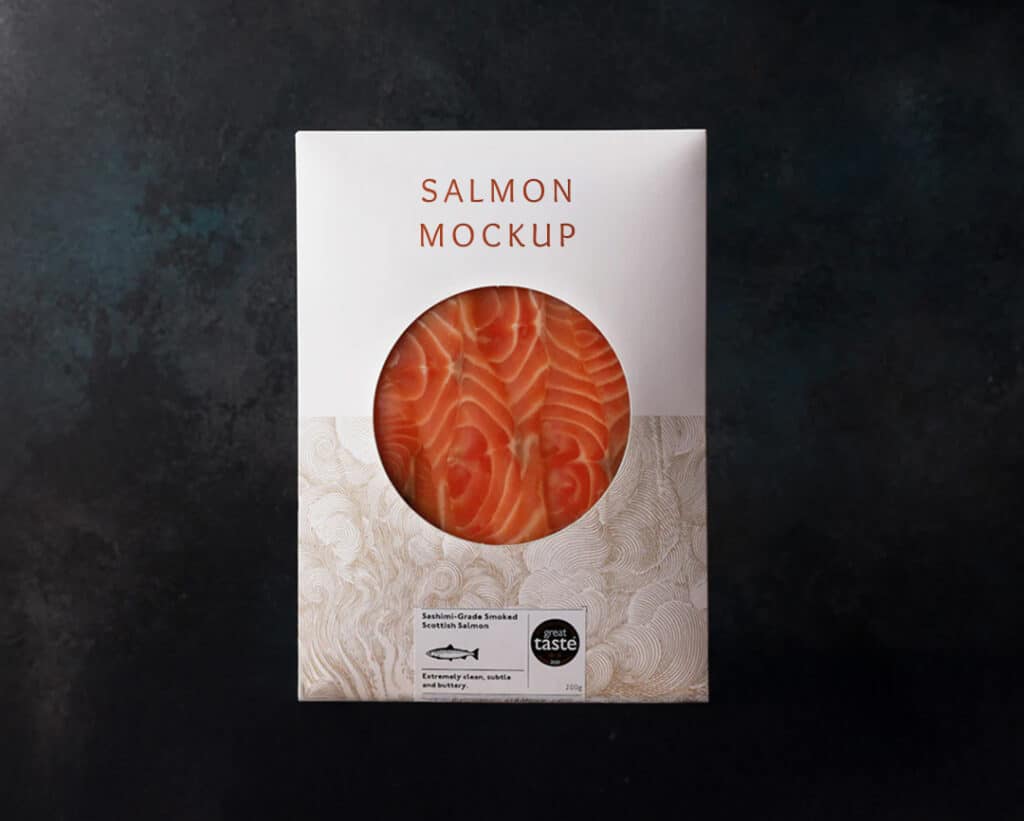
Paperboard is the right packaging option when your product needs a retail-ready box that looks good on a shelf and takes detailed print and finishing well.
It is not strong and durable enough on its own for shipping fragile items, but it works perfectly as primary or secondary packaging inside a postal mailer or corrugated outer.
Corrugated board
Corrugated cardboard is the material most people actually mean when they say “cardboard box.”
It is the brown (or white) fluted board used for packing boxes, shipping products, shelf-ready packaging, and point-of-sale displays.
When you see cardboard packaging being used for transport and delivery, it is almost always corrugated.
How corrugated board is made
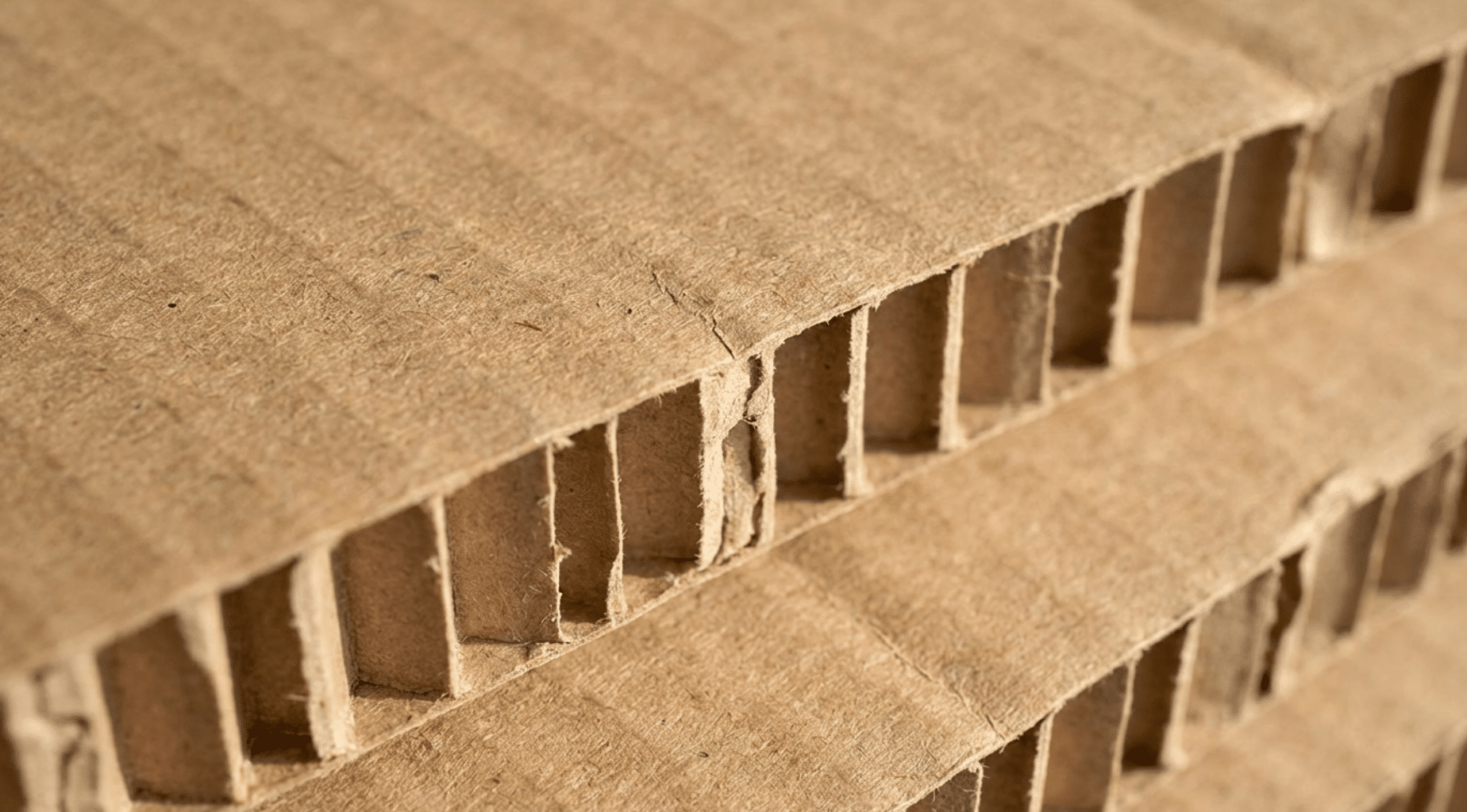
Corrugated board has a sandwich structure.
Two flat sheets of paper (called liners) are glued to either side of a wavy, fluted sheet (called the medium or fluting). That fluted layer is what gives corrugated its strength and cushioning properties.
The combination of flat liners and fluted medium creates a material that is lightweight but surprisingly strong. That is why it dominates the shipping and transit packaging market.
Single wall vs double wall
Single wall corrugated has one layer of fluting between two liners. It is the standard for postal mailers, e-commerce boxes, and most retail shipping.
Double wall has two layers of fluting with a liner between them, which roughly doubles the strength. You would use double wall for heavier products, stacked pallets, or anything you need to ship items securely over longer distances. It is the go-to for warehouse and distribution centre fulfilment where boxes are stacked and handled repeatedly.
For most custom packaging orders, single wall is sufficient.
Double wall adds cost and thickness, so it is worth discussing your packaging solutions with your supplier before defaulting to it. Pallet strap and banding can also help reinforce stacked single-wall boxes during transit if double wall feels like overkill.
Flute profiles
The size of the flutes in corrugated board varies, and the profile you choose affects both the thickness and the performance of the finished box.
E-flute is the thinnest commonly used profile, at around 1.5mm thick. It produces a smooth outer surface that takes print well, which makes it popular for retail-ready packaging, printed mailer boxes, and counter displays.
B-flute is roughly 3mm thick and offers more cushioning than E-flute. It is widely used for shipping boxes and e-commerce packaging where protection matters more than print quality. The surface is slightly rougher, so detailed print work does not come out as crisply as on E-flute.
There are other profiles too (A-flute, C-flute, F-flute), but E and B are the ones you will come across most often when ordering custom packaging.
When to choose corrugated
Corrugated is the right choice for anything that needs to survive shipping, stacking, or handling by third parties.
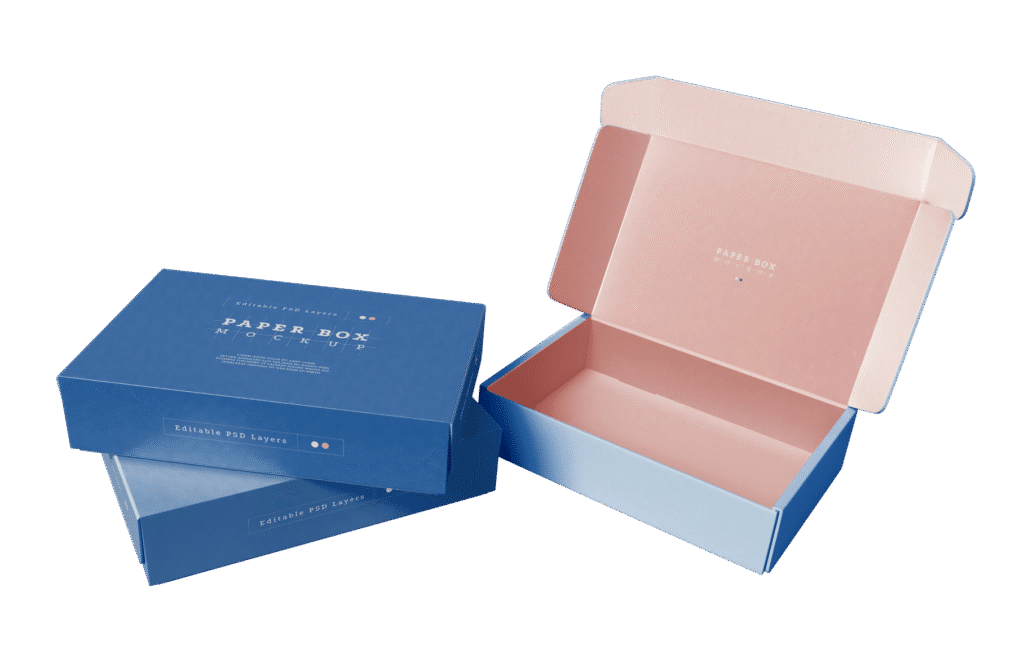
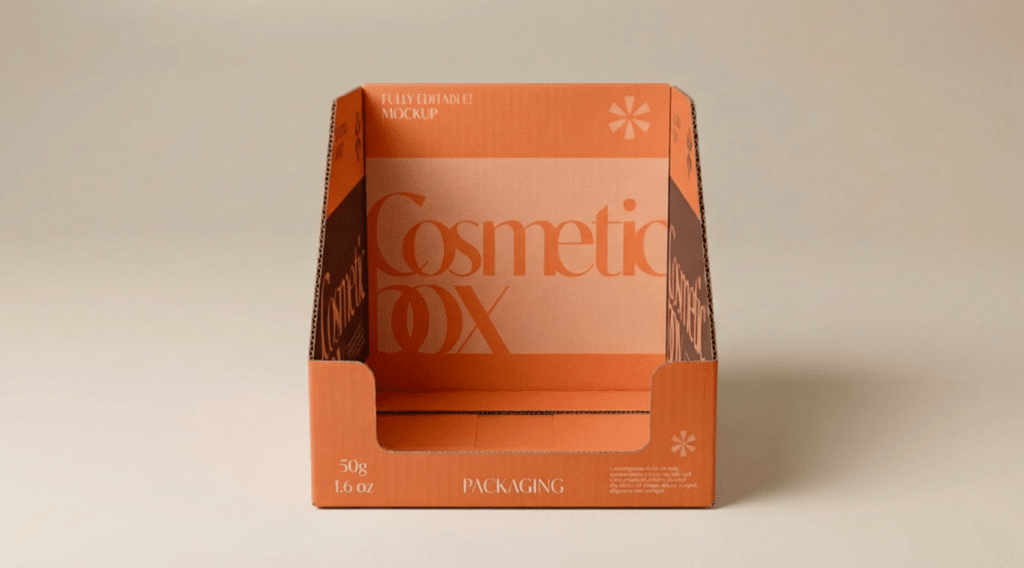
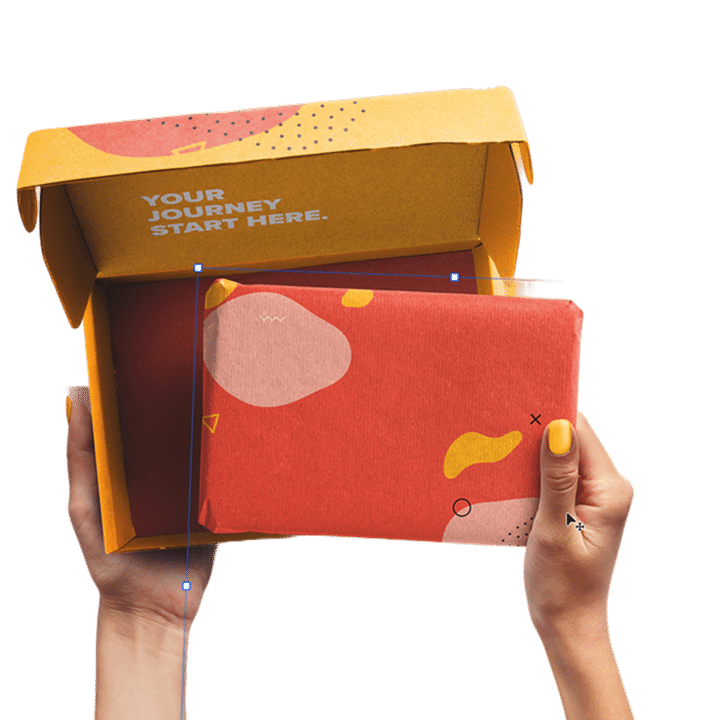
Ecommerce mailer boxes, shipping outers, shelf-ready trays, and display stands are all typically made from corrugated board. It is one of the most popular packaging materials in the UK for good reason.
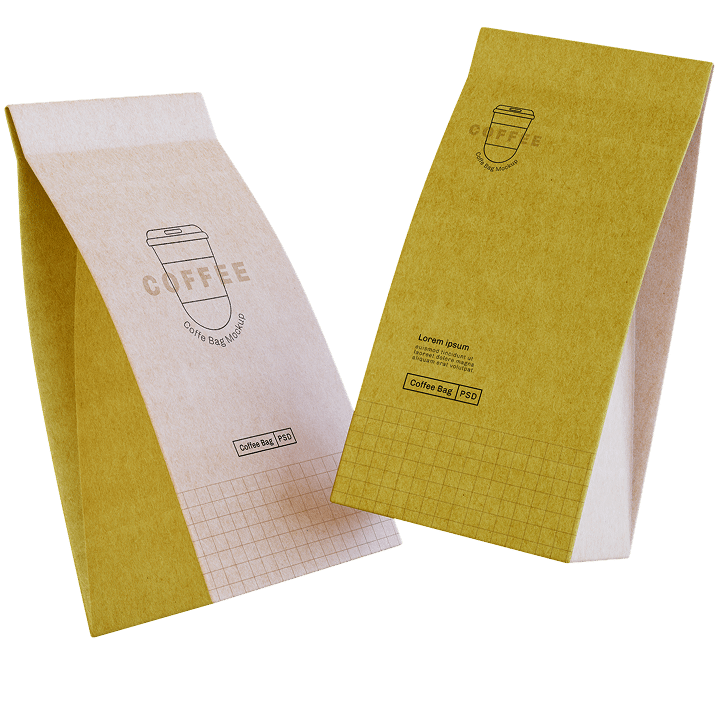
Kraft paper and kraft board
Kraft is one of those words that gets used loosely in packaging, so it helps to be specific. Kraft paper is made from softwood pulp using a chemical process.
The result is a strong, natural brown paper that has become synonymous with eco-conscious, artisan branding.
Kraft paper
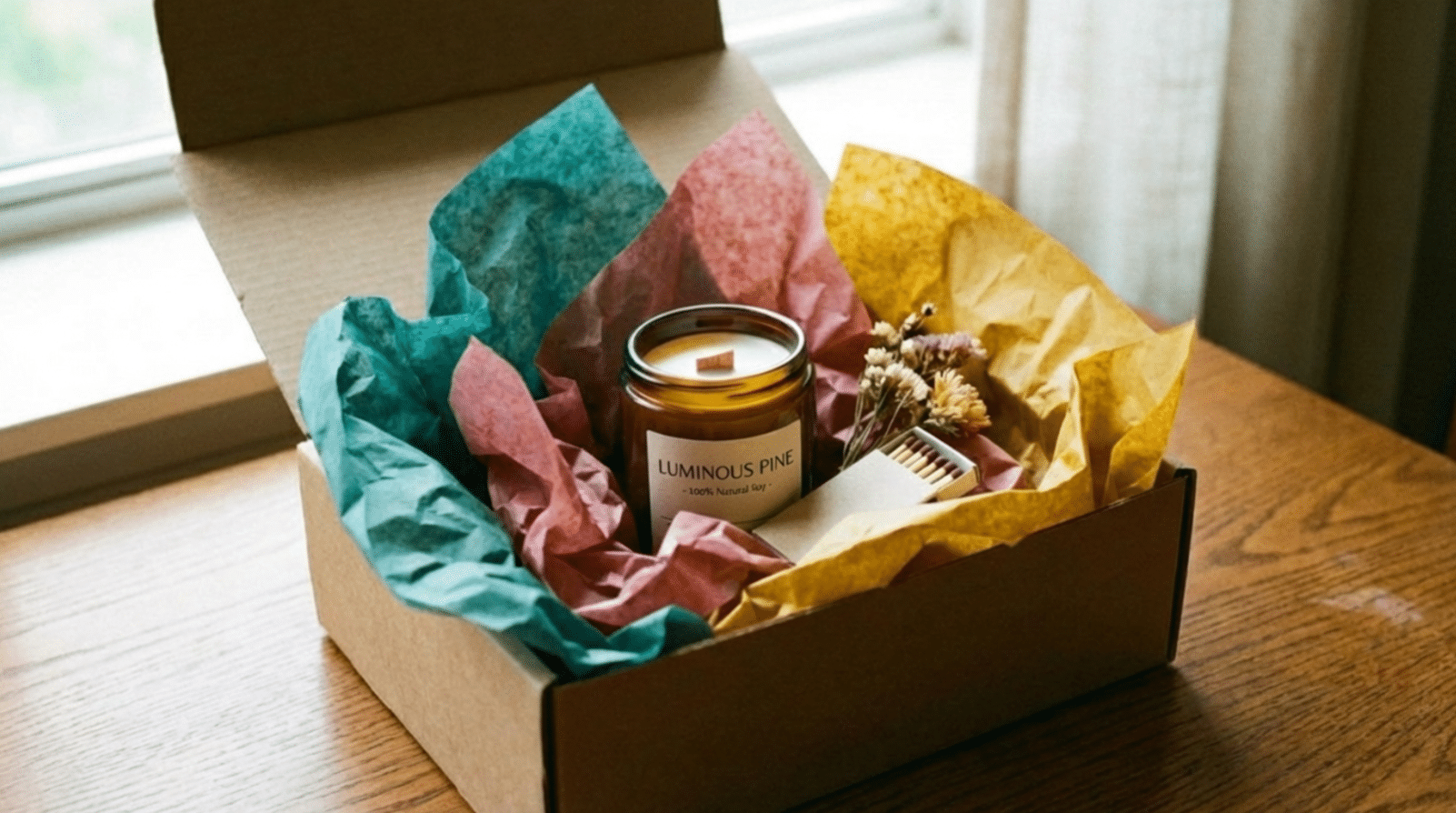
Thin kraft paper is used for wrapping, void fill, tissue paper, and paper tape.
It is popular as an inner wrapping material for e-commerce orders because it looks natural, is fully recyclable, and gives the unboxing experience a handmade feel.
If you have ever opened a package from a small candle brand or an artisan food producer and found your product wrapped in brown paper, that was almost certainly kraft.
Kraft board
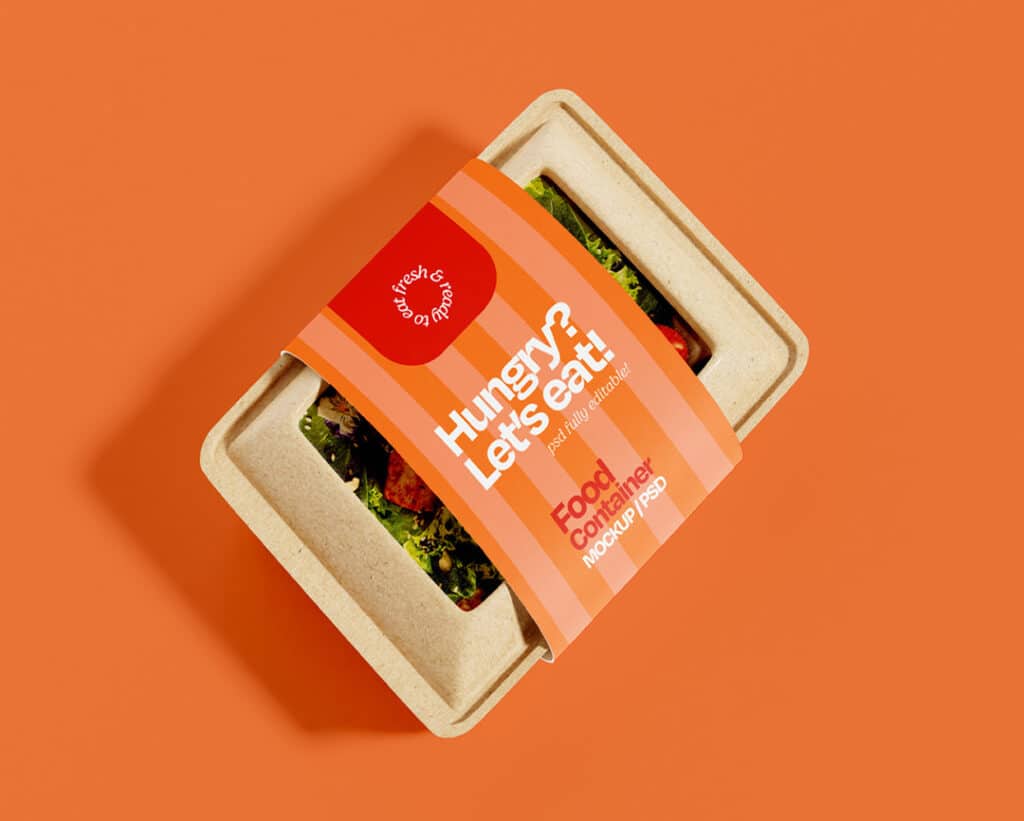
Kraft board is thicker and stiffer than kraft paper. It is used for packaging boxes, tags, sleeves, and belly bands.
The natural brown surface takes certain finishes well, particularly white ink, foil stamping, and embossing, which create a strong contrast against the unbleached background.
Kraft board works well for brands that want their sustainability credentials to be visible at first glance. It is also biodegradable and plastic-free, which matters to environmentally friendly brands.
One thing to note.
Kraft board does not reproduce full-colour CMYK print as vibrantly as white-coated board. If your design relies on bright colours and photographic images, kraft may not be the best base.
But for simpler designs with one or two print colours, it looks distinctive and stands out on a shelf full of white boxes.
When to choose kraft
Kraft is the right choice when you want a natural, unbleached aesthetic and your brand leans toward sustainability, simplicity, or artisan positioning.
It works well for food packaging, coffee and tea brands, natural cosmetics, and any product where the “handmade” or “earth-friendly” message is part of the brand identity.
Rigid board
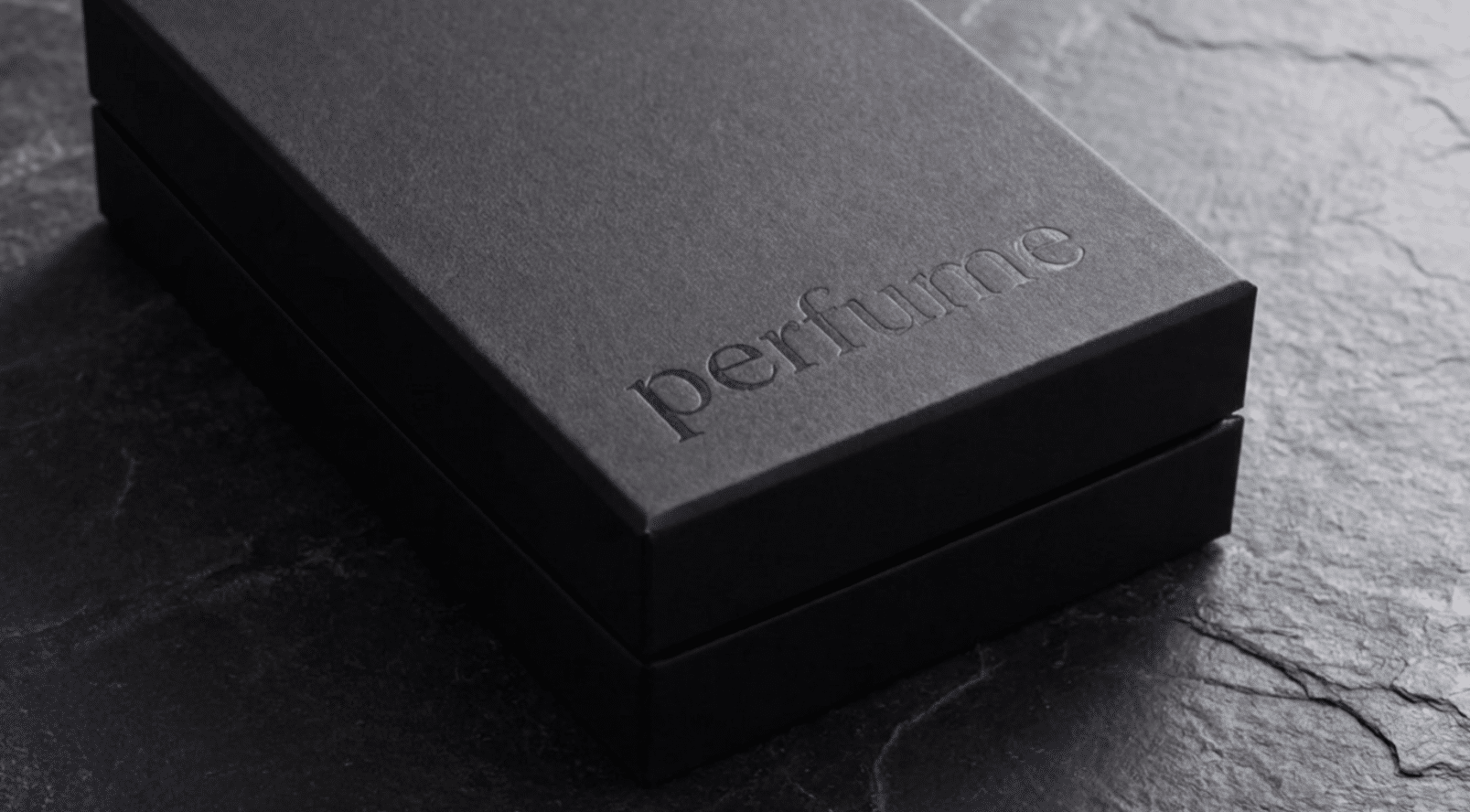
Rigid board is the heavyweight of paper-based packaging materials. It is thick, dense, and does not fold flat.
If you have ever received a phone in a box that felt substantial in your hands, or opened a luxury perfume where the lid lifted off with a satisfying resistance, that was rigid board.
How rigid boxes are made
A rigid box starts with a core of greyboard, which is a thick, dense board made from recycled paper. That greyboard is then wrapped in a printed paper or specialty material, glued to the outside and folded neatly around the edges.
The result is a box that holds its shape permanently, feels solid, and presents the product in a way that folding cartons cannot match.
Rigid boxes can be finished with magnetic closures, ribbon pulls, foam inserts, and fabric linings.
They come in a range of sizes and are fully customisable in terms of shape and presentation.
When to choose rigid board
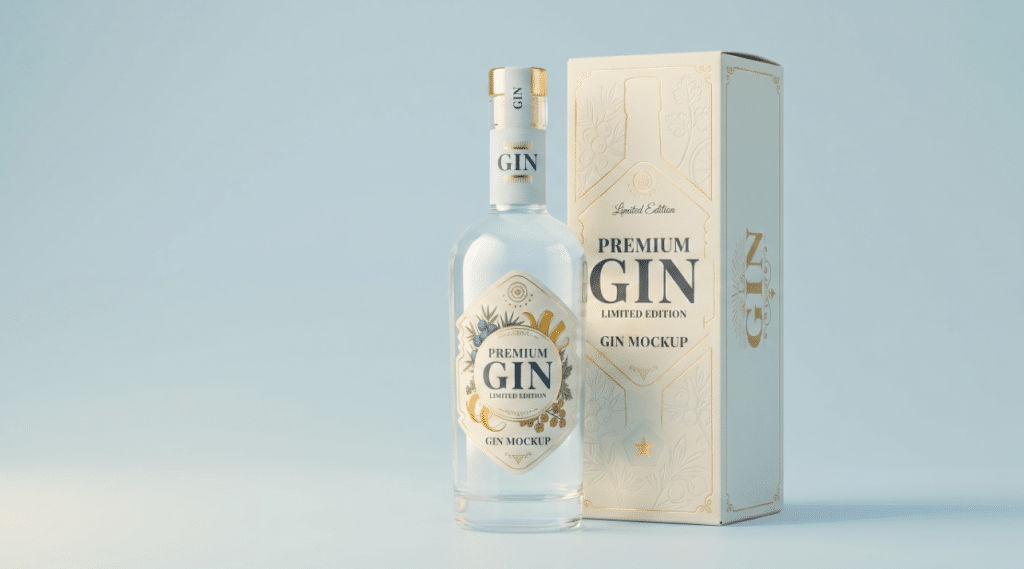
Rigid board is the right choice for premium and luxury products where the packaging is part of the experience.
Commonly used for rigid packaging includes:
- spirits
- perfume
- high-end cosmetics
- jewellery
- electronics
- corporate gift sets
The trade-off is cost.
Rigid boxes are significantly more expensive to produce than folding cartons or corrugated boxes, and they take up more storage space because they do not fold flat.
However, for premium products or special releases, rigid board can be worth the added costs.
Coatings, laminates, and print finishes
The base material is only half the story. What you put on top of it changes how the box looks, feels, and performs.
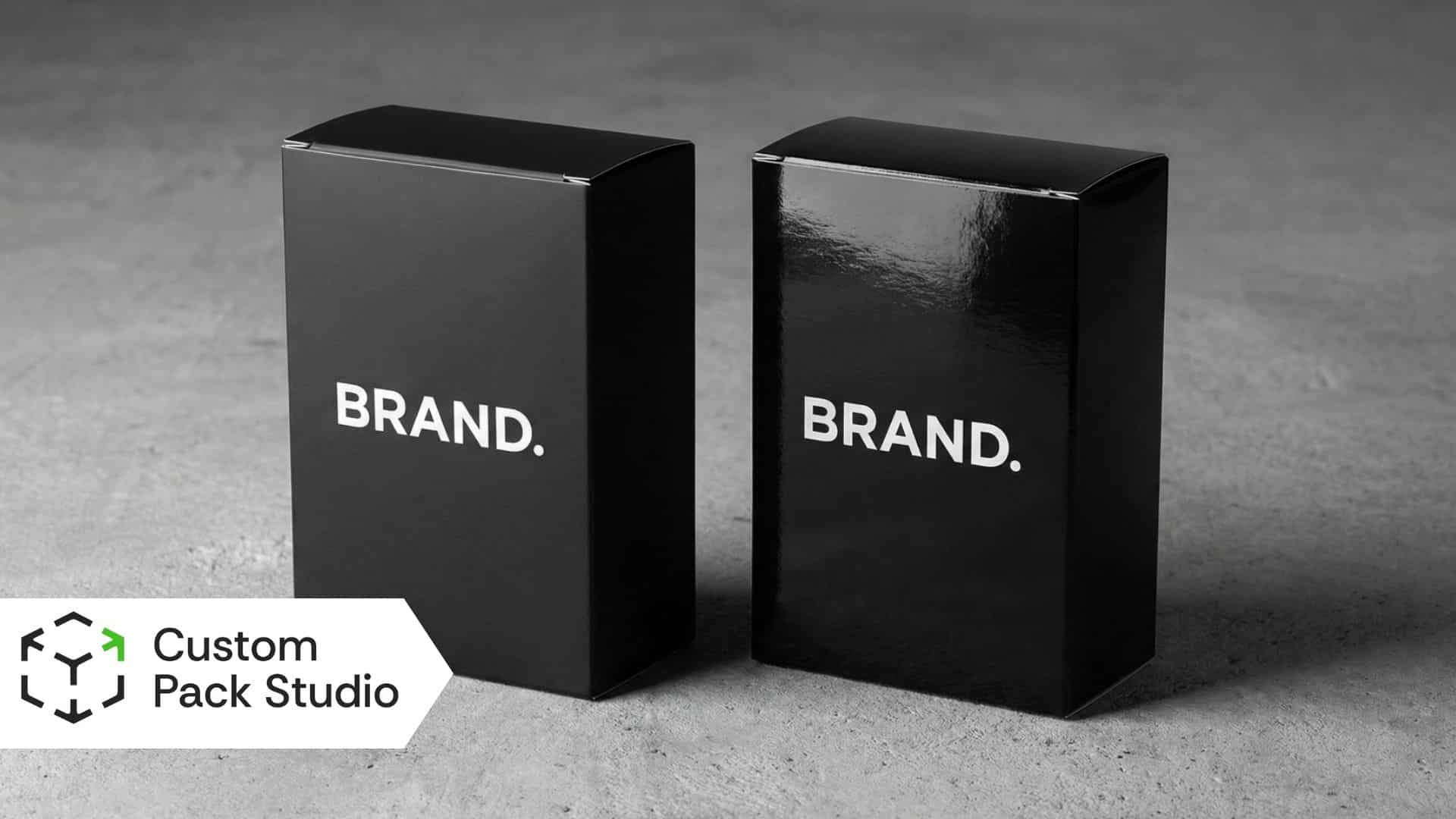
Matte lamination
Matte lamination gives a smooth, non-reflective surface that feels soft and understated. It is popular for premium packaging because it looks expensive without being flashy.
Gloss lamination
It reflects light, makes colours pop, and adds a layer of moisture protection. Both laminates also strengthen the board slightly and protect the print from scuffing.
Soft-touch lamination
Soft-touch lamination has a velvety texture that people instinctively want to hold, which is why it shows up on premium cosmetics, spirits packaging, and high-end product packaging.
Spot UV
This applies a glossy coating to specific areas of the design (your logo, a product name, or a pattern) while the rest of the surface stays matte. The contrast between matte and gloss creates a visual and tactile effect that catches the eye on a retail shelf and adds a high-quality appeal to the product.
Foil stamping
Foil stamping presses a thin metallic foil onto the board using heat and a custom die. Gold, silver, rose gold, and copper are the most common colours.
It works on any base material, but looks particularly striking on kraft board and dark-coloured designs.
Eco-friendly packaging supplies
Every paper-based and parcel packaging material we use is 100% recyclable.
Cardboard, corrugated board, kraft paper, and paperboard can all go in standard kerbside recycling collections across the UK.
Corrugated board has the highest recycling rate of any packaging material in the UK. And cardboard and paper are not far behind.
The recycled fibre goes back into the supply chain to produce new board and paper products, which makes paper-based packaging one of the most circular material choices available.
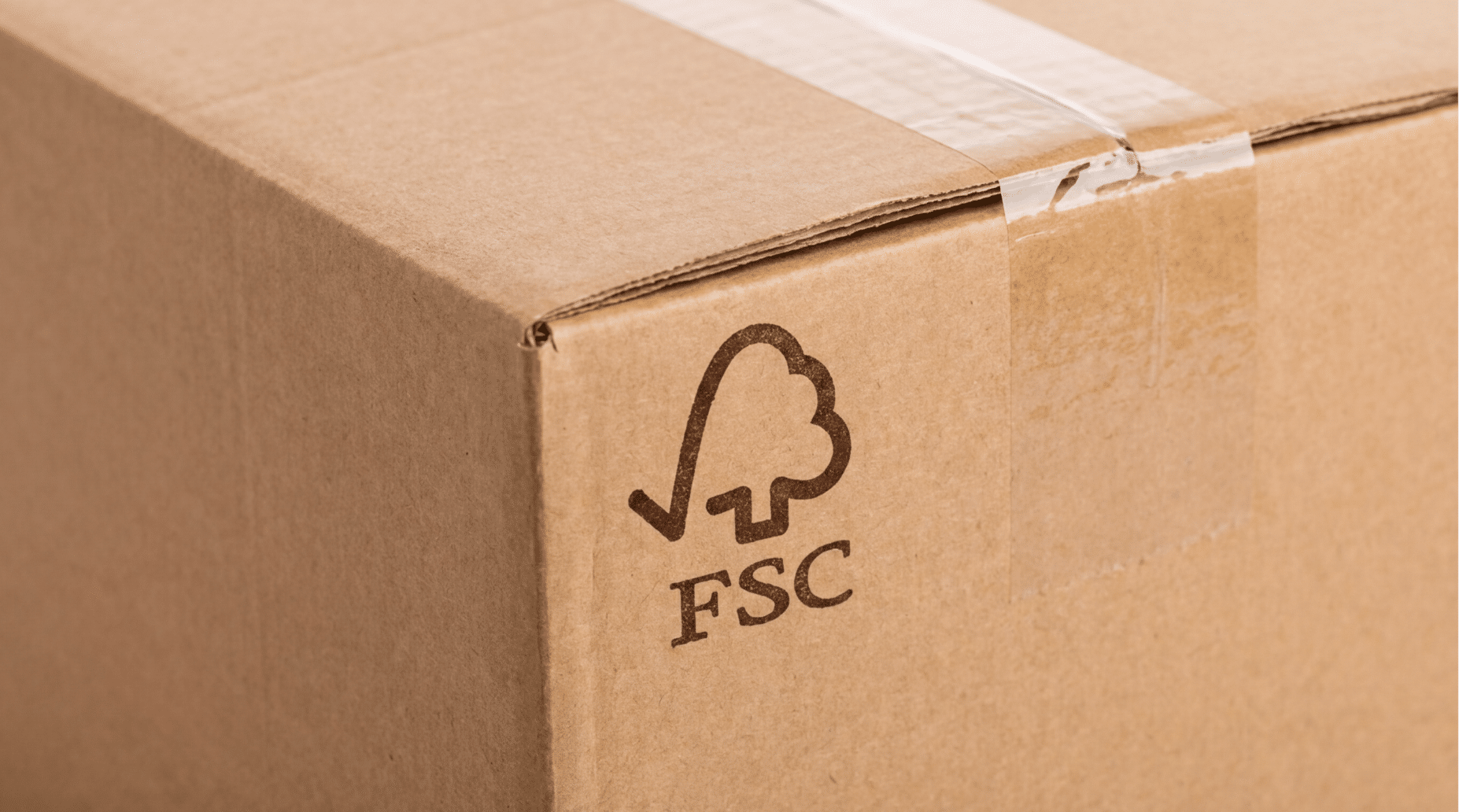
We are FSC and PEFC certified, which means the virgin fibre in our board can be traced back to responsibly managed forests.
For brands that want to communicate their environmental credentials on their packaging, that certification gives you a verified claim rather than a vague “eco-friendly” statement.
One thing to be aware of is that certain coatings and laminates can affect recyclability.
Standard matte and gloss laminates are thin enough that they do not cause issues in recycling, but heavier plastic-based coatings can.
We will always flag this during the design process and suggest sustainable alternatives where they exist. We also offer a full range of packaging in eco-friendly materials across our product range.
Frequently asked questions
What is the difference between cardboard and corrugated?
Cardboard (paperboard) is a single-layer board used for retail cartons and product boxes. Corrugated board has a fluted layer sandwiched between flat liners, which gives it strength and cushioning for shipping. They are different materials used for different purposes.
What does GSM mean in packaging?
GSM stands for grams per square metre. It measures the weight and thickness of the board. Higher GSM means thicker, stiffer board. Most retail packaging uses board between 300gsm and 600gsm.
What packaging materials are recyclable?
All paper-based packaging materials (cardboard, corrugated, kraft, and paperboard) are widely recyclable in the UK. Corrugated board has the highest recycling rate at 84%. Rigid board with paper wrapping is also recyclable, though the foam inserts sometimes used inside rigid boxes are not.
What is kraft paper used for in packaging?
Kraft paper is used for wrapping, void fill, paper tape, and as a base material for packaging boxes and sleeves. Kraft board (thicker than paper) is used for product boxes, tags, and belly bands. Both have a natural brown appearance that appeals to eco-conscious brands.
Which packaging material is best for food products?
Food packaging must use food-safe materials produced in a certified facility. We hold BRC Global Packaging certification at High Hygiene level. The material itself depends on the product: paperboard cartons for shelf-stable dry goods, corrugated for shipping, and rigid board for premium gift food sets.
Can I order custom packaging in small quantities?
Yes. We have no minimum order, so you can order custom packaging in any material from a single unit upward. We offer a range of products and sizes, which makes it useful for testing a new material or finish before committing to a full production run.
Find the right packaging solution for your product with Custom Pack Studio
If you are not sure which packaging material suits your packaging needs, that is exactly the kind of question we answer every day.
As a leading packaging supplier and online supplier of packaging in the UK, we work with businesses at every stage, from first-time buyers to established brands looking to upgrade.
Keep away from the bubble wrap and polyvinyl mailing bags, and instead get an ecofriendly, bespoke packing solution that is perfect for your product and brand.
To learn more about the packaging solutions we provide or to start creating your own custom packaging, get in touch with our friendly team today on 01294 314 919. We would be delighted to learn more about your business and provide you with a free, no-obligation quote.