



Custom Pack Studio prints and assembles custom packaging for food brands, cosmetics labels, and e-commerce shops across the UK.
The packaging that performs well for them comes down to a short list of decisions, made early, that shape everything else.
What protects the product, what represents the brand, and who the box is actually for.
What packaging design is meant to do – Guide by Newcastle packaging suppliers
Product packaging has one job before it has any others.
It protects the product from the production line to the customer in one piece.
A box that leaks, crushes, or lets a product shift around in transit has failed at the most basic level, no matter how sharp the graphics are.
Protection has to be settled before the design conversation starts.
Every project at Custom Pack Studio begins with the product itself.
Once protection is sorted, packaging has to carry the brand.
Consistent colours, a logo placed where it’s seen, and materials chosen to match the brand build the recognition a customer needs to spot your product on a crowded shelf.
Building brand identity into every box
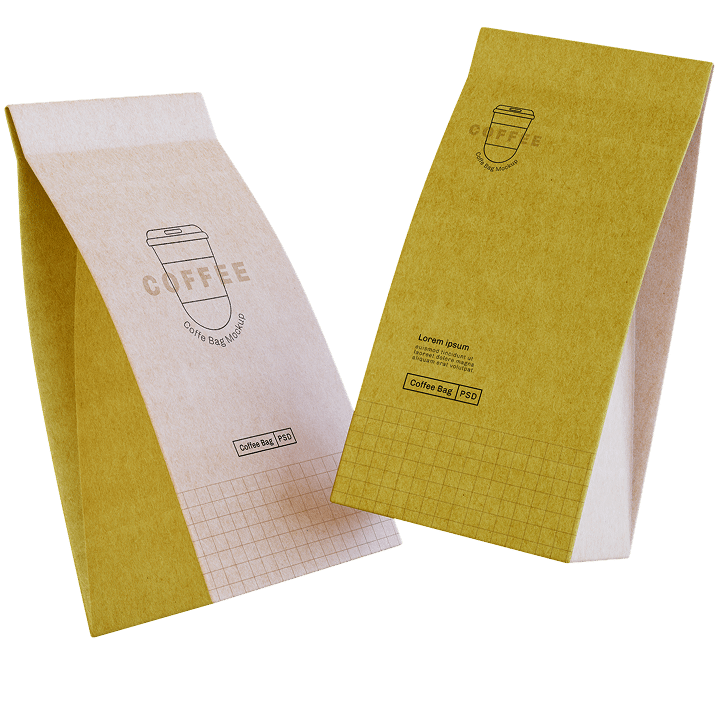
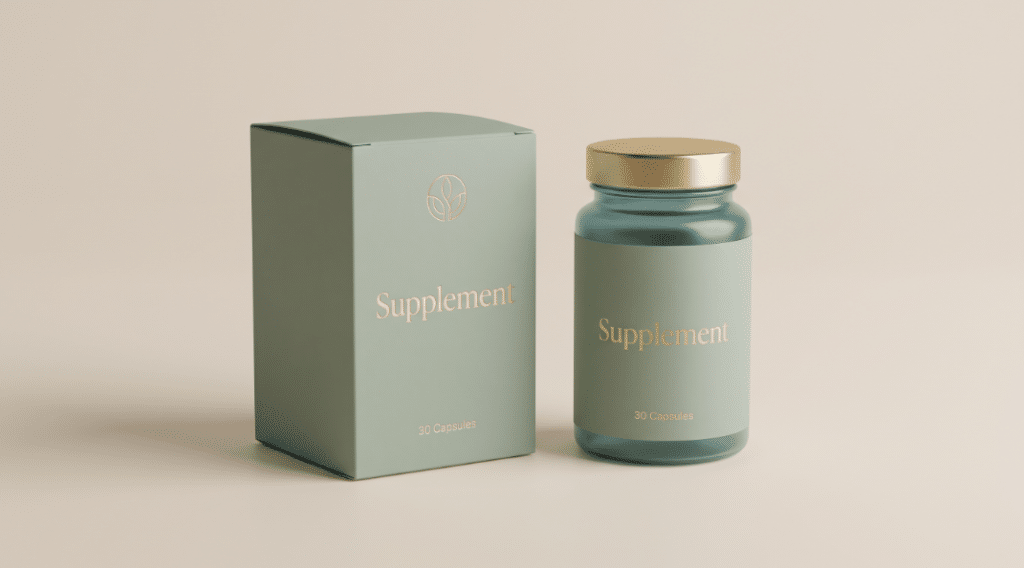
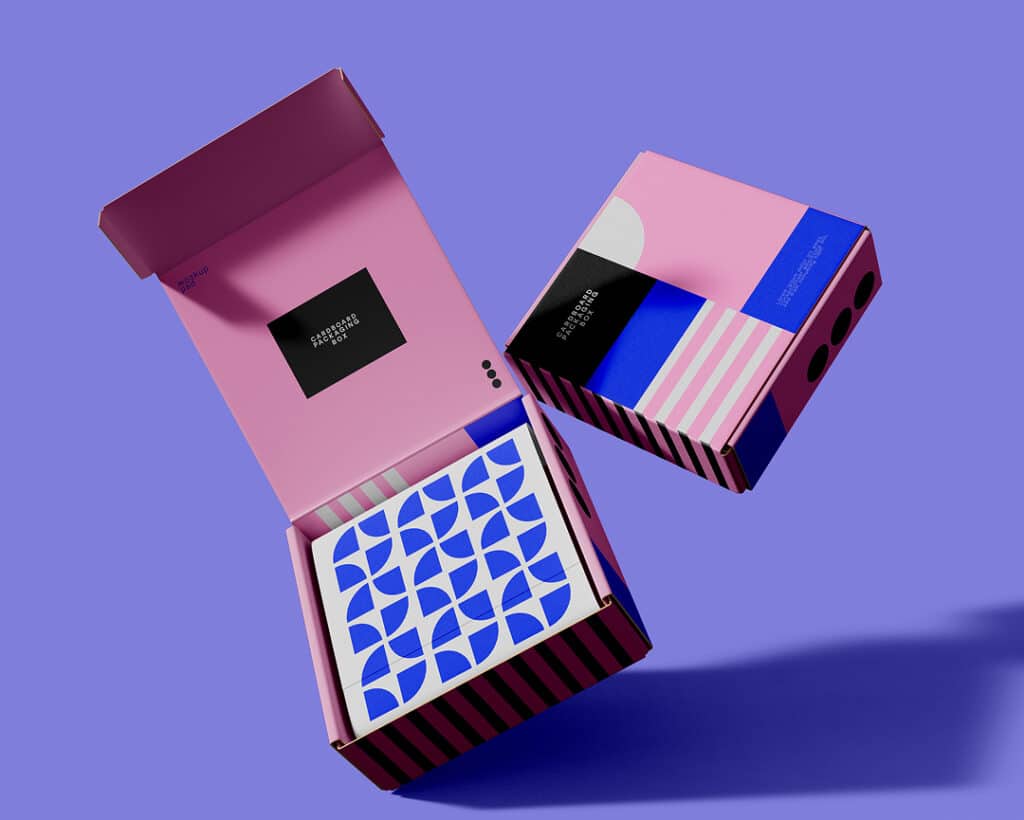
A kraft mailer with a single spot-colour logo signals something different than a glossy white box with foiled type.
That signal lands through visual elements like colour and shape before a customer reads a single word.
Colour, shape and material do the talking
On a box, colour is there to catch the eye before anyone reads a word.
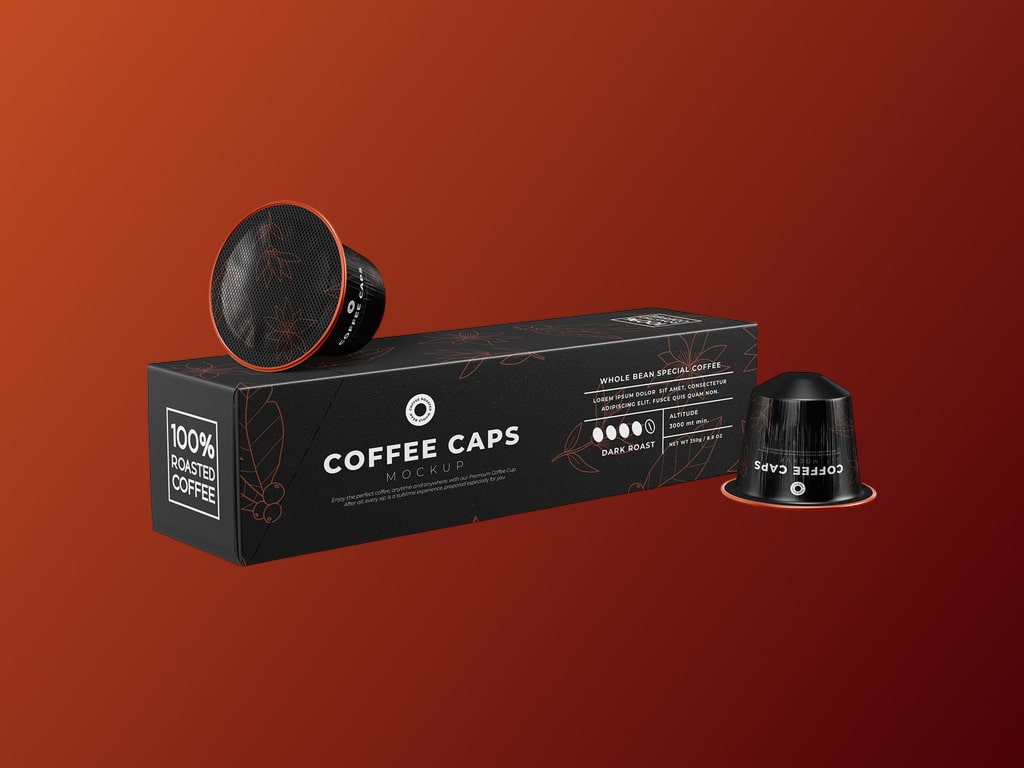
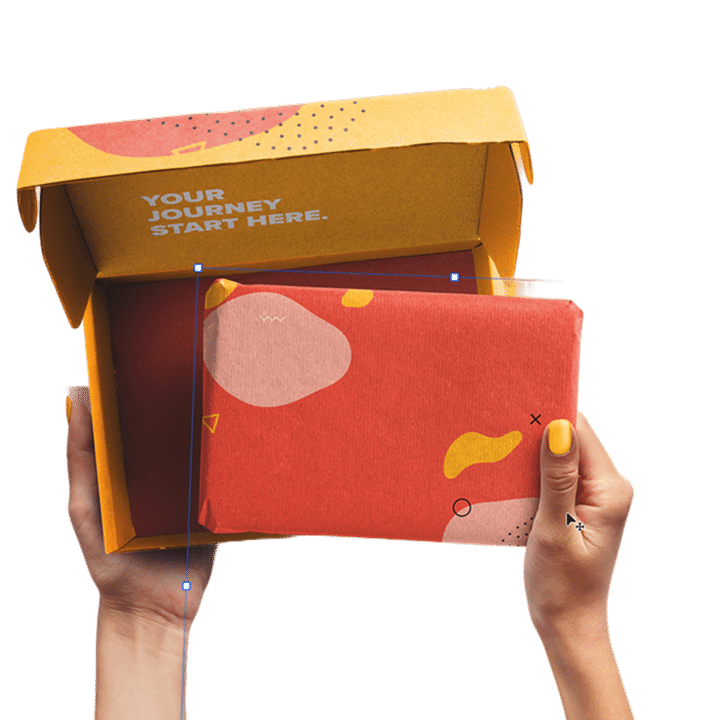
A bold matte black box says something different to a soft kraft mailer with hand-drawn graphic details, and neither is right or wrong.
What matters is whether the choice matches what’s inside and who’s meant to buy it.
Box shape and material send the same kind of signal.
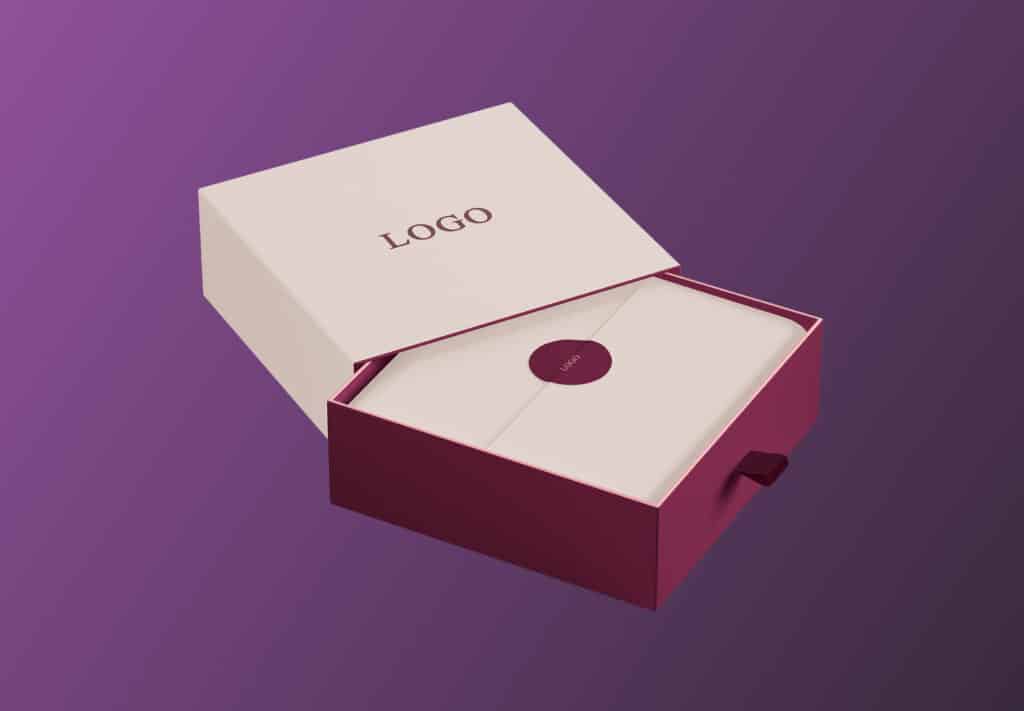
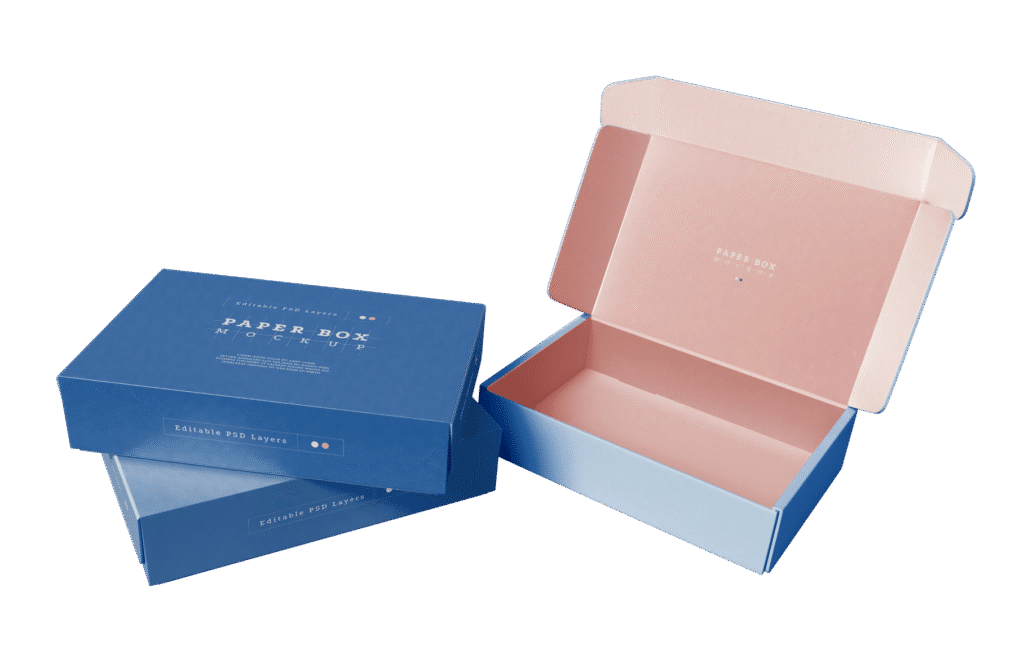
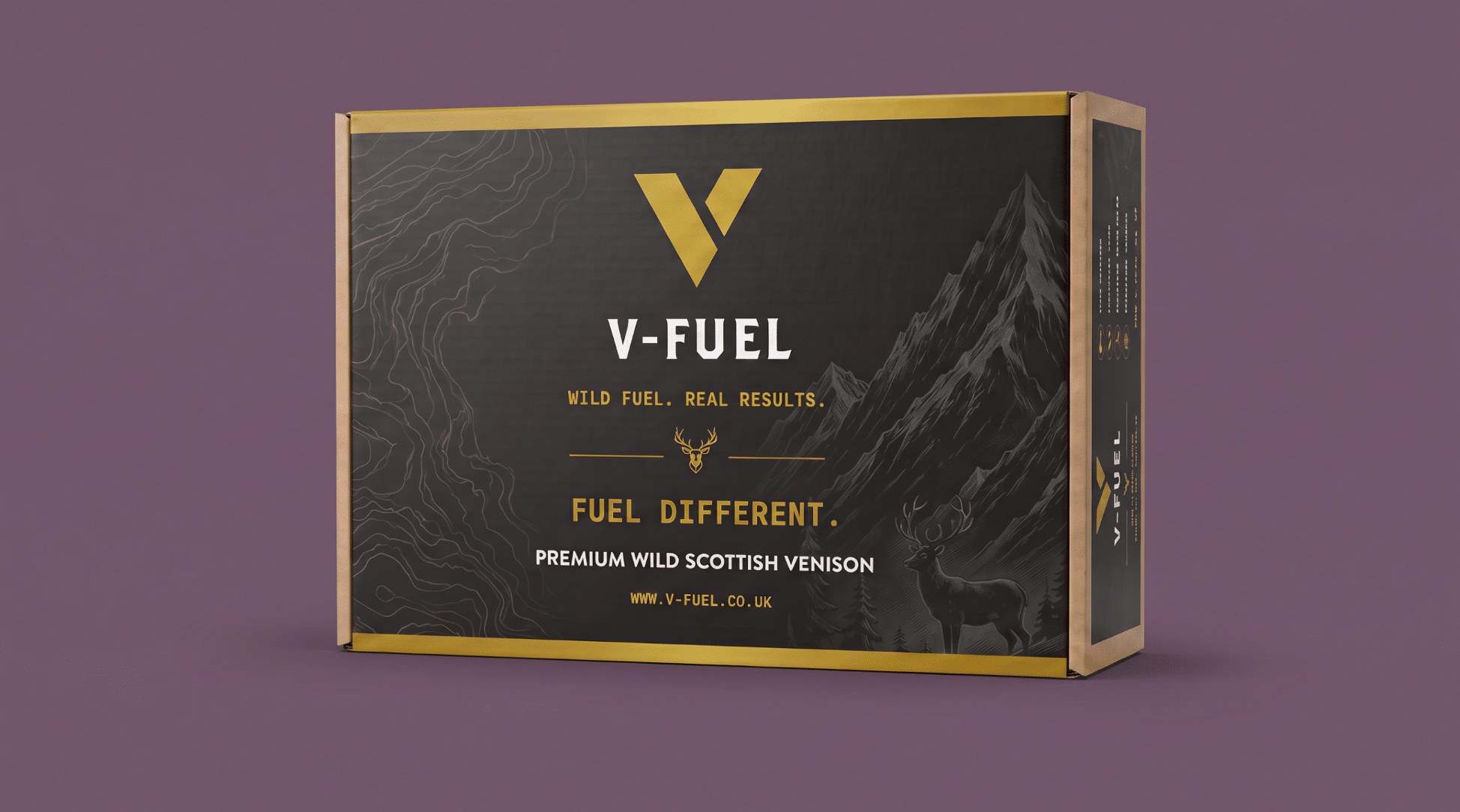
A rigid, weighty box implies a premium product before it’s even opened, while a simple corrugated mailer says practical and unfussy.
Consistency is what builds recognition
A single striking box doesn’t build a brand on its own.
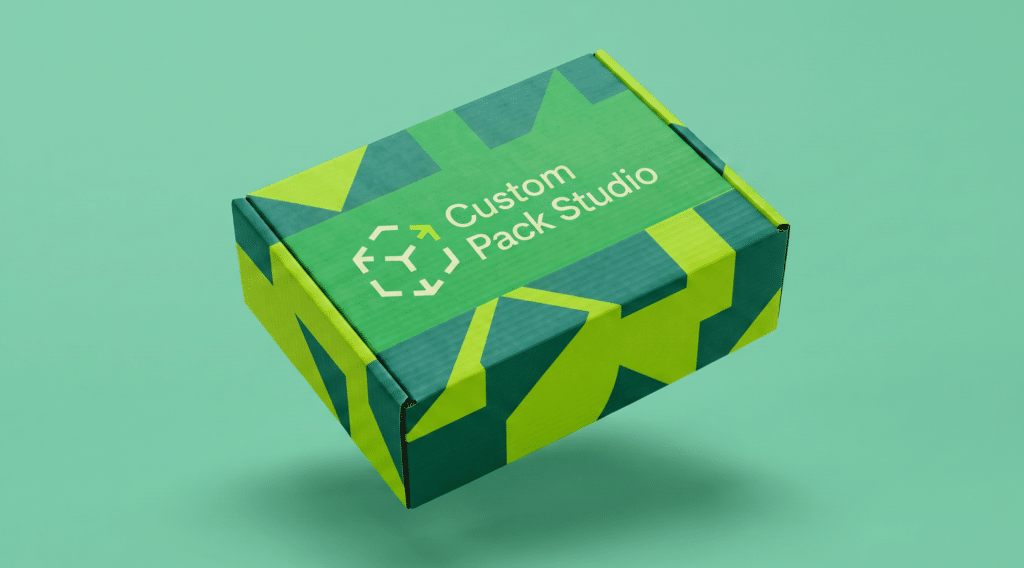
Recognition comes from a customer seeing the same colours, logo treatment, and tone on every order, whether it’s a routine restock or a brand new size.
Businesses that change their package design every few months, chasing trends, make it harder for anyone to recognise them at a glance.
Getting the target audience right
Package design decisions only make sense once you know who’s opening the box.
A gift-buyer wants something that photographs well and feels like an event. A trade customer reordering the same product every month wants the box to be quick to identify, quick to open, and no fuss beyond that.
Designing for the wrong audience, however good the artwork looks in isolation, wastes the budget on details nobody in your market cares about.
Knowing the product isn’t the same as translating who buys it into concrete design choices: what size box, what unboxing moment, what level of finish.
Talking that through before any artwork gets made saves a reprint further down the line.
Sustainable packaging without the greenwash
At Custom Pack Studio, sustainability sits alongside protection, brand, and audience fit as a design requirement, built into the brief from the start.
A right-sized box uses less material, costs less to ship, and skips the excess padding that makes a small product look lost inside packaging built for something bigger.
What “sustainable” means
Choosing the right packaging materials is most of what sustainable packaging depends on paper stock, how much of the box is needed for protection, and whether the box can go back into the recycling stream without being stripped apart first.
A box printed with soy-based inks on FSC-certified board does more for sustainability than a box that simply says “eco” on the side.
We don’t do greenwashed packaging here.
Every item we produce is 100% recyclable materials, and every box we produce is FSC and PEFC certified, which traces the card back to responsibly managed forests.
The design process, from concept to finished box
Package design starts with the product’s dimensions, its weight, how it travels, and what story the brand needs to tell, long before anyone opens a design tool.
From idea to dieline
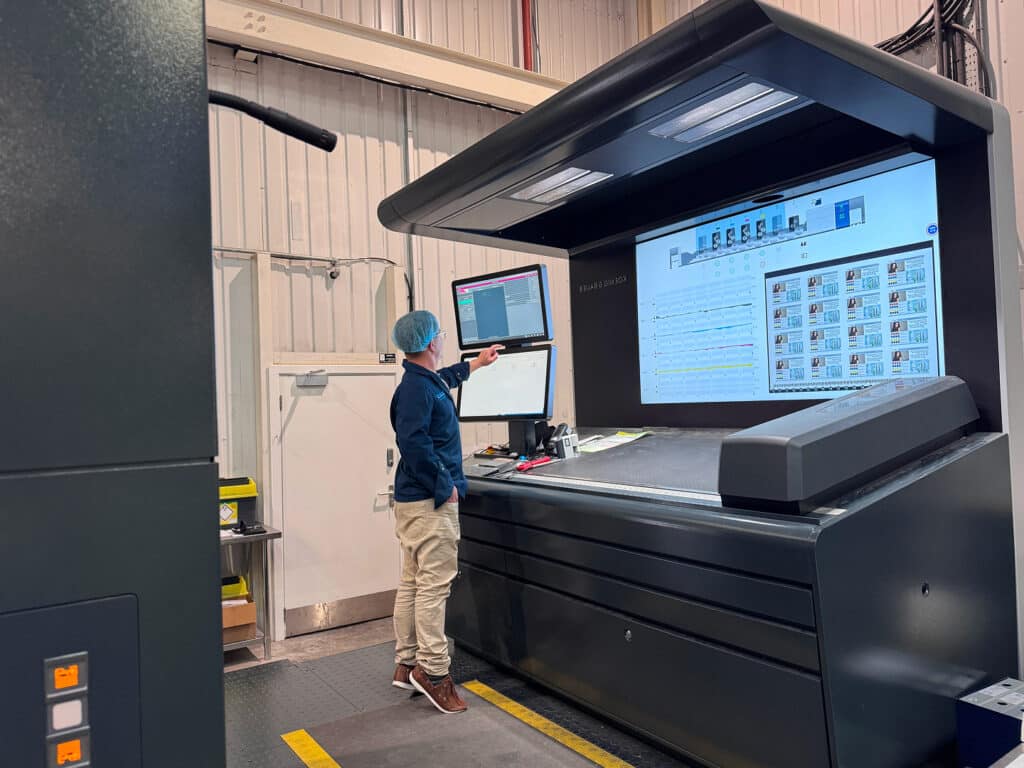
Once the box style is chosen, the packaging design process moves onto a dieline, the flat template your artwork sits on before it’s folded into shape.
Getting comfortable with dielines, colour modes, and print-ready file setup is its own skill.
A good design process treats the dieline as part of the brand decision from the start.
If you find these terminologies difficult to get to grips with, don’t worry!
When you work with a packaging expert like Custom Pack Studio, we make sure everything is sorted on your behalf.
Testing before you commit
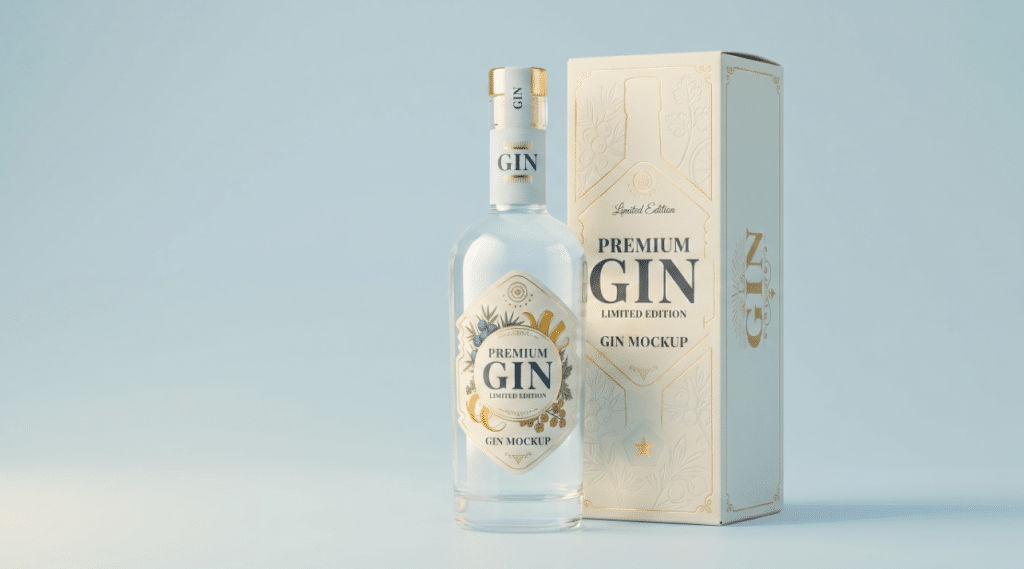
Mockups of your packaging, whether that’s a digital render or a physical sample, catch problems no screen proof shows: colours that shift on kraft board, text that’s too small once it’s wrapped around a curved edge, a logo that lands awkwardly on a fold.
Because we don’t set a minimum order, businesses can get a small run of packaging samples made before committing to the full print run.
And they can even personalise their packaging products to suit the event or buyer.
How you know package design is working
Successful packaging design shows up in numbers a business tracks.
This translates to fewer returns from damage in transit, more repeat orders once customers recognise the box on sight, and photos of unboxing turning up on social media without anyone asking for them.
Good packaging design holds up across a whole product range, where every item still reads as the same brand at a glance.
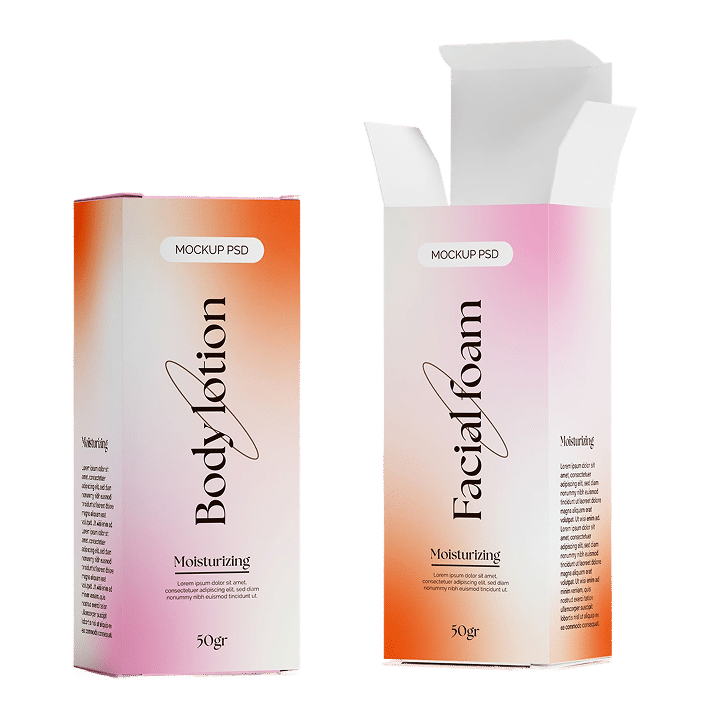
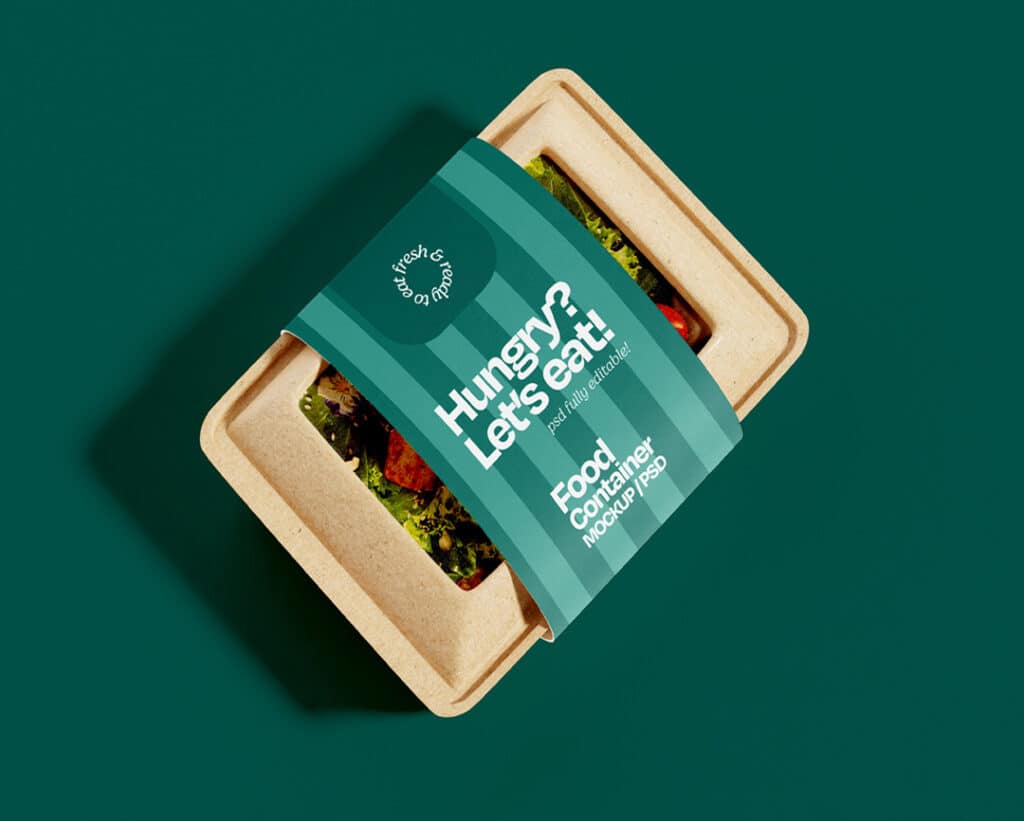
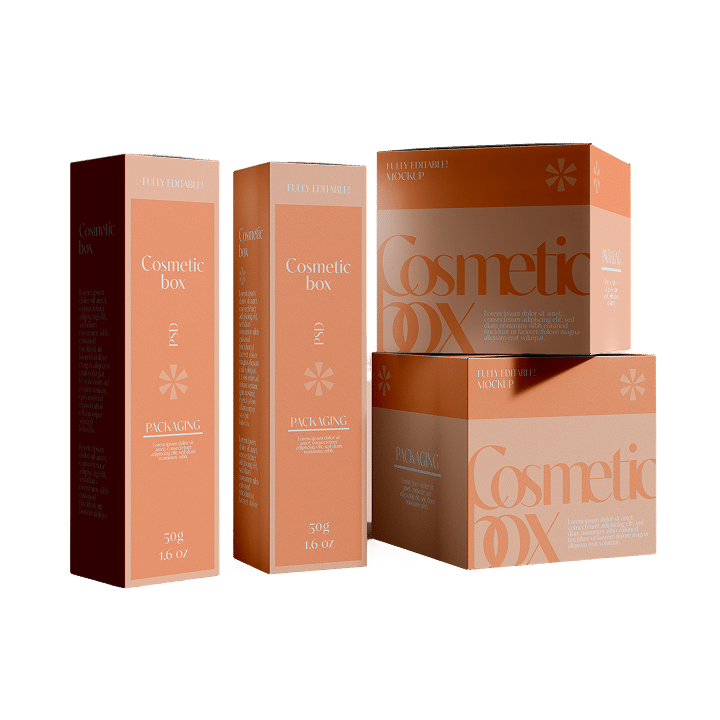
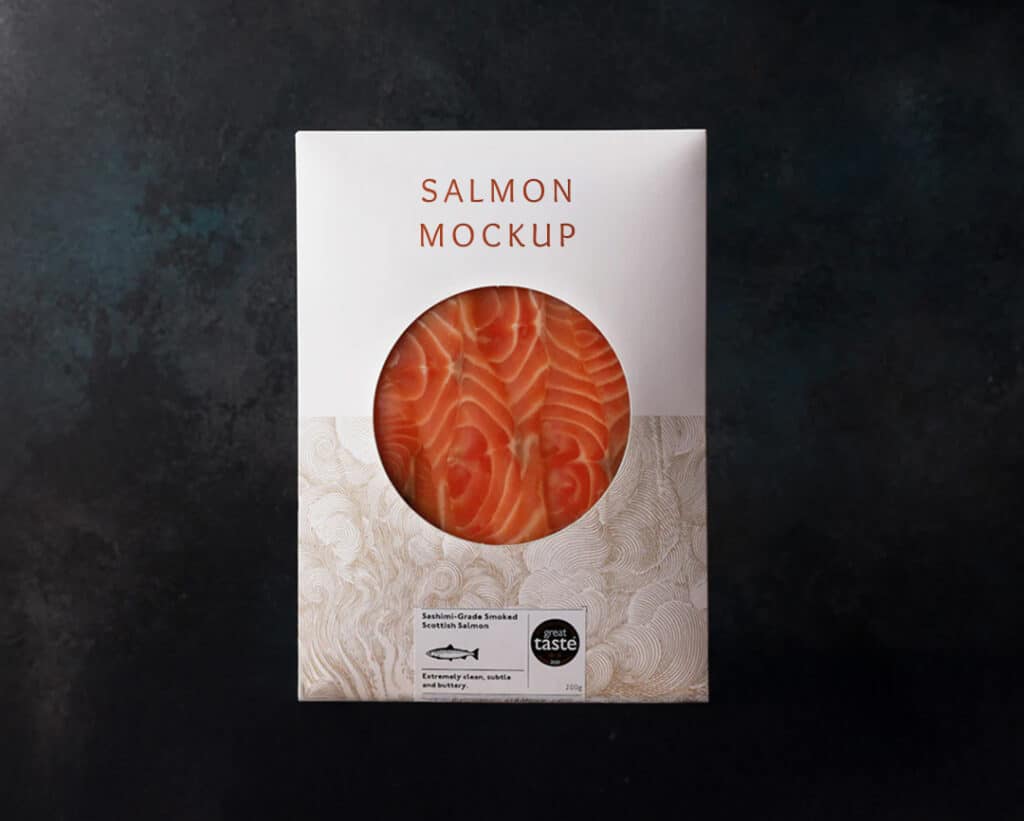
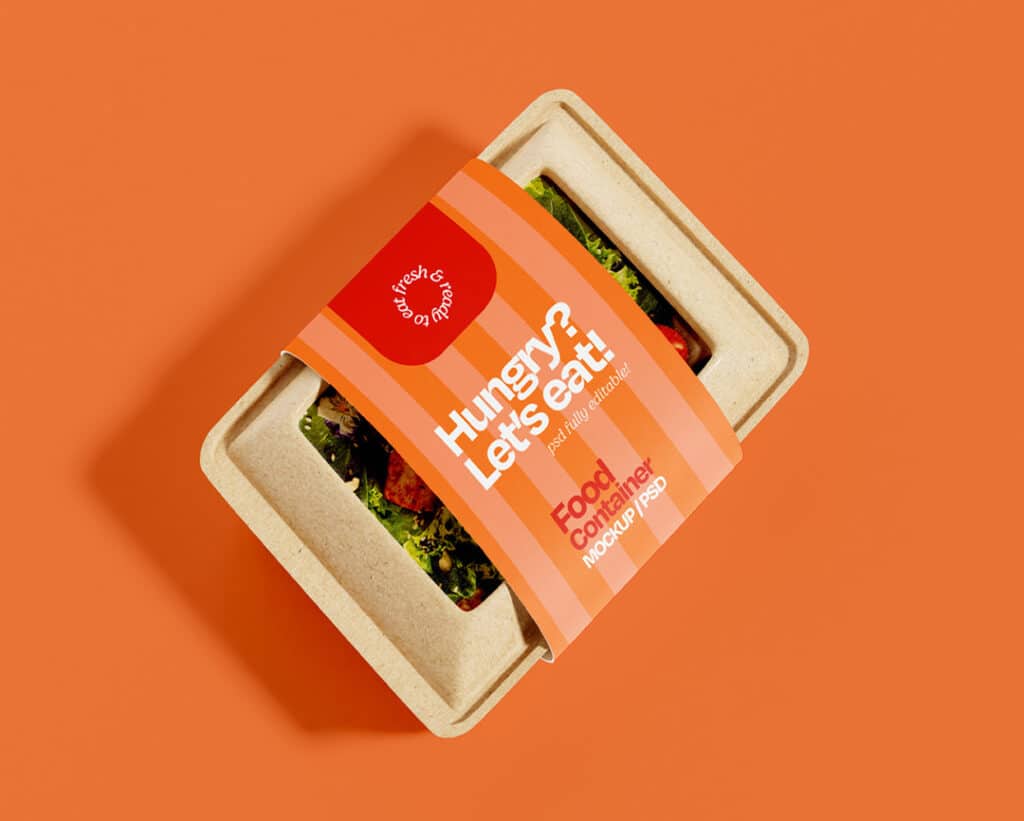
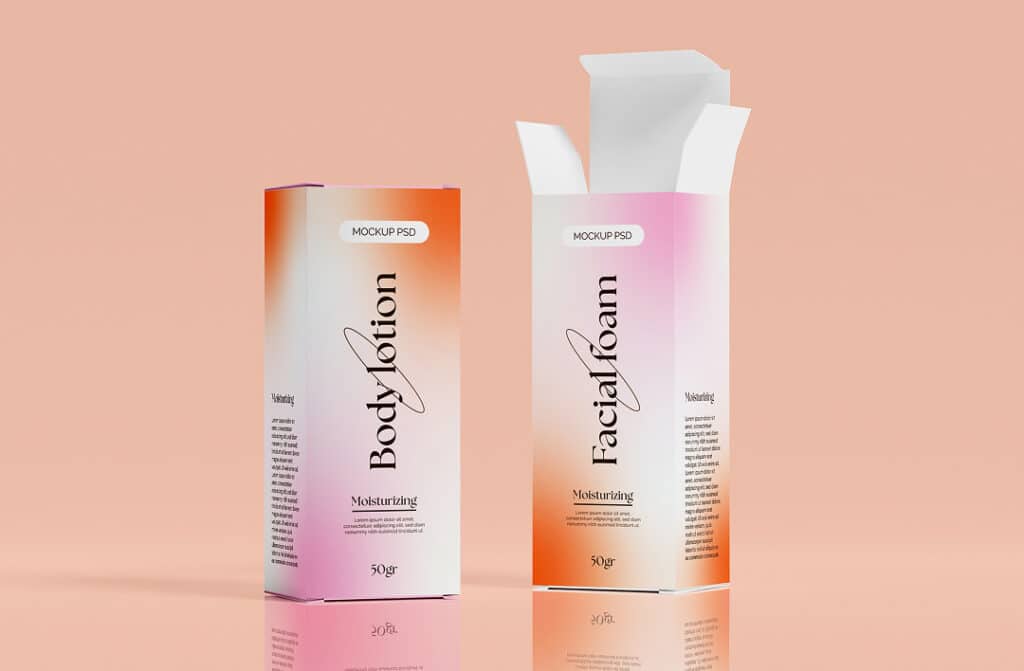
A food packaging customer needs their sauce jars, sample sachets, and gift sets to all read as the same brand, while a cosmetics brand might need one design language that scales from a single lipstick box to a full gift set.
Common questions about packaging design
What are the principles of effective packaging design?
Protection, brand recognition, and fit with the target audience matter most, in that order. A box has to survive transit before anything else matters, then it needs to reinforce your brand every time it’s seen, then it needs to match what the person opening it actually expects.
What’s the difference between primary and secondary packaging?
Primary packaging touches the product directly, like a pouch, bottle, or inner box. Secondary packaging is what that primary packaging travels in, such as an outer carton or mailer box. Both need designing with the same brand in mind, even though only one is usually seen by the end customer.
How much should I budget for packaging design?
Box size, print run length, and finish are the real cost drivers behind packaging design. Because there’s no minimum order, you can create packaging with a short test run before scaling to thousands of units.
What design software is used for packaging design?
Most professional package design work happens in Adobe Illustrator, working from a dieline template supplied by the manufacturer. If you don’t have design software or the skills to use it, our design consultation service builds the artwork for you.
How can I make my packaging more sustainable without increasing costs?
Cutting unnecessary void space is usually the cheapest place to start, since a right-sized box needs less material and less padding. From there, ask your supplier to quote recyclable materials as the default. Some price them as a paid upgrade, which adds cost without adding anything for the product.
Get in touch with Custom Pack Studio today
A subscription box selling on unboxing moments needs a different approach to sustainable packaging design than a wholesaler shipping the same order every week.
We work across jewellery, candle, food, cosmetics, and pharmaceuticals, and package design still has to survive whatever shelf or storeroom it ends up on.
If you’re ready to see what that looks like for your product, get your free quote today.
No minimum order, no pressure, just a straightforward process from first sketch to finished box.