


Recently got a takeaway or a new electronic item? There’s a high chance you’ve been left with polystyrene that you’re not quite sure how to get rid of.
Polystyrene is one of the most common types of packaging materials. Lightweight, shock-absorbent, and cheap, it is highly versatile and can be used from everything from large electronics and bulky items, to single cup coffee cups and disposable food container boxes.
However, despite its convenience, polystyrene foam has a devastating environmental impact. It decomposes very slowly, and its fragments often end up in our oceans and water supplies.
So, what to do with all your leftover polystyrene packaging?
Our team at Custom Pack Studio will walk you through how to handle and dispose of polystyrene safely, along with practical tips for limiting its impact on the environment.
What is Polystyrene Packaging
Polystyrene packaging is a type of plastic made of expanded polystyrene (EPS), produced using petroleum and natural gas.
It is cheap to make, and has other great qualities such as excellent insulation, durability, and resistance to water and chemicals.
However, the problem with EPS packaging is that it is slow to degrade. Even when it does decompose, it doesn’t do so fully and turns into tiny pieces of microplastics that will stay in the environment long after we’re gone.
Common Items That Use Polystyrene Packaging
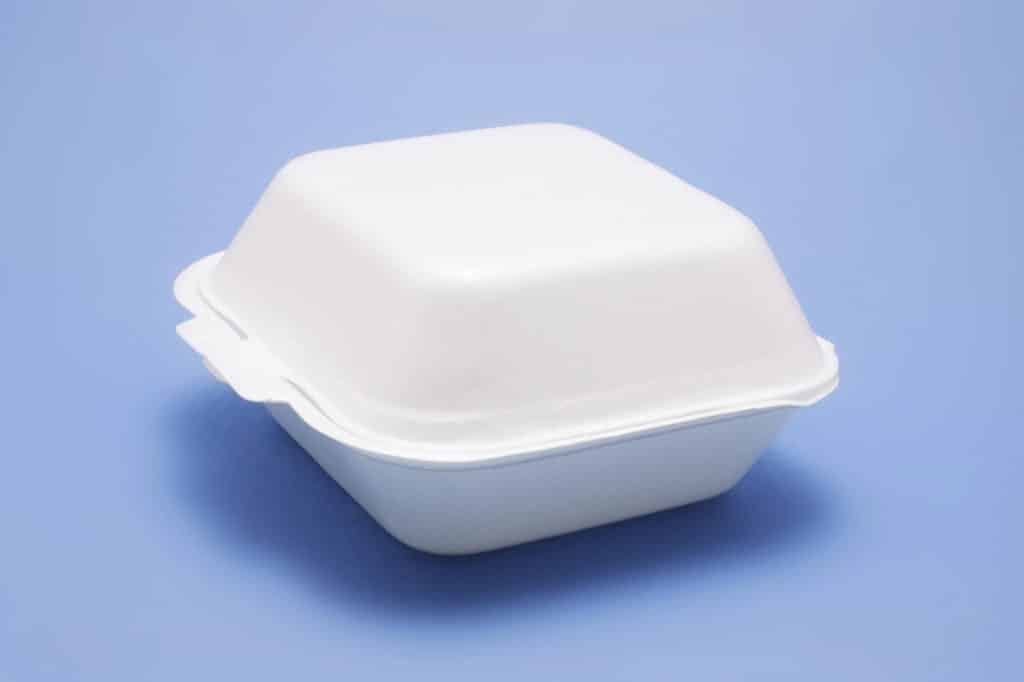
You should recognise polystyrene from its white, clear and brittle shape.
Common items that use polystyrene in the UK include:
- Protective packaging for bulky goods or electronics
- Takeaway boxes
- Disposable cups
- Packing peanuts
Polystyrene can even be used for cheap insulation!
Can Polystyrene be Recycled?
The tricky thing about polystyrene is that it can be difficult to dispose of correctly. Putting it in the recycling bin will likely see it rejected by your local recycling team, whereas putting it in the general waste bin will almost certainly mean it ends up at the landfill.
While polystyrene can be recycled, it requires specialised facilities that can properly process the material. Most kerbside recycling programs do not accept it for this reason, and not all recycling centres are equipped to handle it.
If the polystyrene is clean and free from food residue, check your local household waste recycling centre can recycle polystyrene. Some centres can find a sustainable way to process it.
Reusing Polystyrene Responsibly
One way you can handle leftover (clean) polystyrene is to find a smart way to reuse it.
Here are some clever ways you can find a second life for the material and keep it out of the landfill:
Using Polystyrene Foam as an Insulator
Polystyrene is a great insulator, and it is highly durable, making it resistant to rot (which is also why it doesn’t decompose easily).
This means that it can be repurposed for DIY insulation projects, helping retain extra warmth for your attic, garage, or shed.
Use Polystyrene Pellets for Shipping, Wrapping, and Storage
Polystyrene’s cushioning makes it perfect for protecting fragile items.
Reuse pellets as packing material for parcels, protective wrapping for goods, or padding for stored items.
Keep a small collection in your attic or garage so it’s handy whenever you need it.
Crafting Polystyrene Packaging into a New Product
If you’re a fan of arts and crafts, the material is easy to cut, shape, and paint, making it turn into a fun art project or prop.
You may even be able to donate clean polystyrene packaging to local schools, art studios, or community centres that can repurpose it for educational or artistic use.
How Not to Dispose of Polystyrene
When it comes to disposing of polystyrene, there are several methods you should avoid.
Don’t Put Polystyrene in General Waste Disposal (Unless Specifically Told By Recycling Centre)
Avoid placing polystyrene in general waste unless your local authorities, council or recycling centre have confirmed they cannot accept it for recycling.
It is important to always seek responsible ways to dispose of your waste products, regardless of what the item may be.
Don’t Burn Polystyrene
Burning polystyrene creates toxic fumes that are bad for your health as well as the environment. As known carcinogens, burning the packaging can cause serious health problems, including the risk of cancer.
Don’t Break Polystyrene Up into Fragments
You may believe that breaking polystyrene into smaller pieces will help it decompose.
However, this actually creates tiny flakes that can easily be carried by the wind, spreading contamination into water supplies and the wider ecosystem.
Alternative Packaging Supports Sustainability – How to Reduce Waste and Plastic in the UK
One of the most effective ways to limit the effects of polystyrene on the environment is to avoid using it completely.
Thankfully, there are plenty of sustainable alternatives that offer similar protection benefits while significantly reducing environmental harm.
Consider alternatives such as:
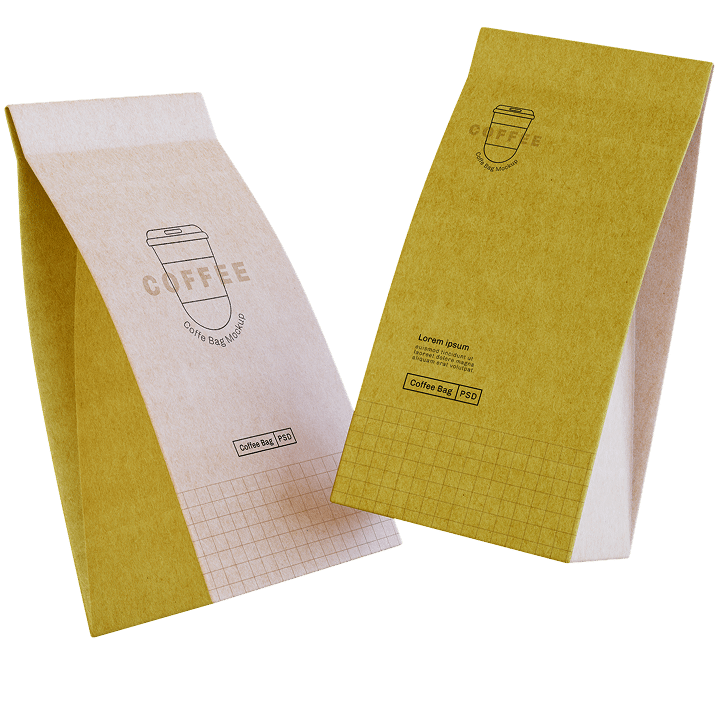
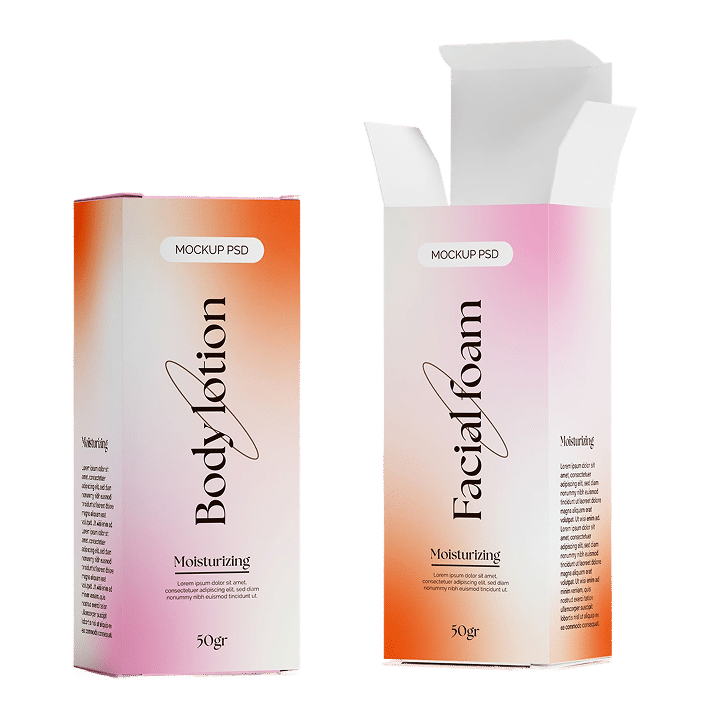
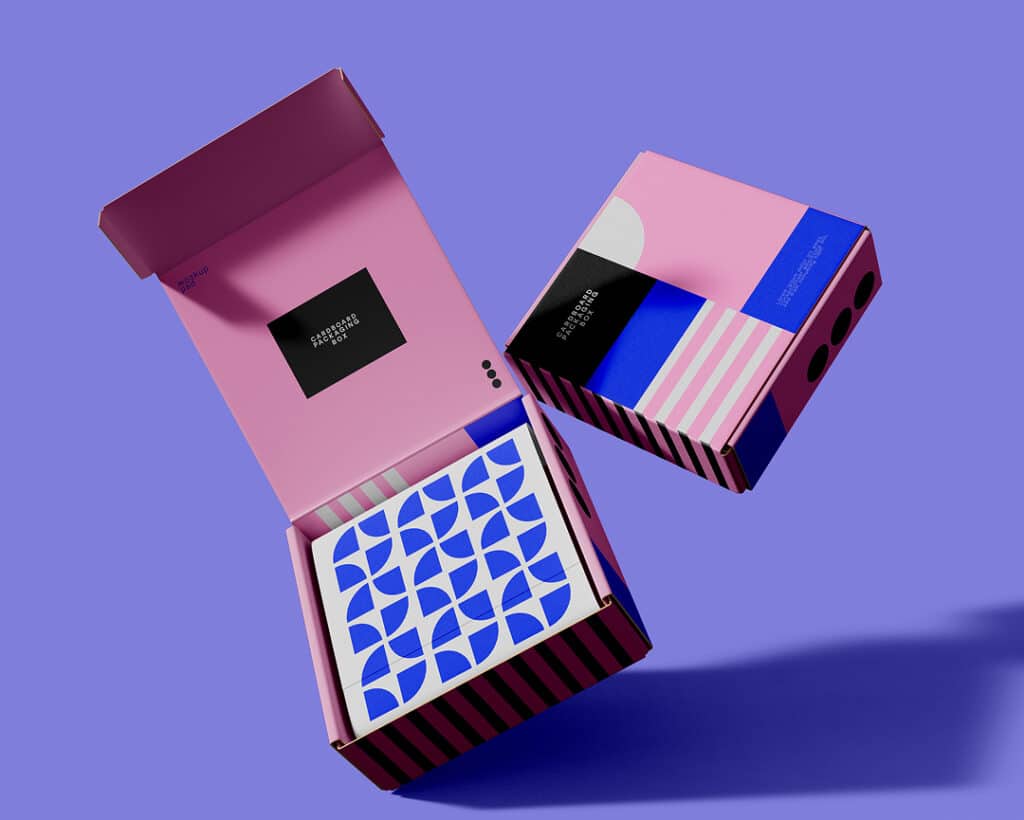
- Recyclable cardboard inserts and sleeves
- Cornstarch packaging
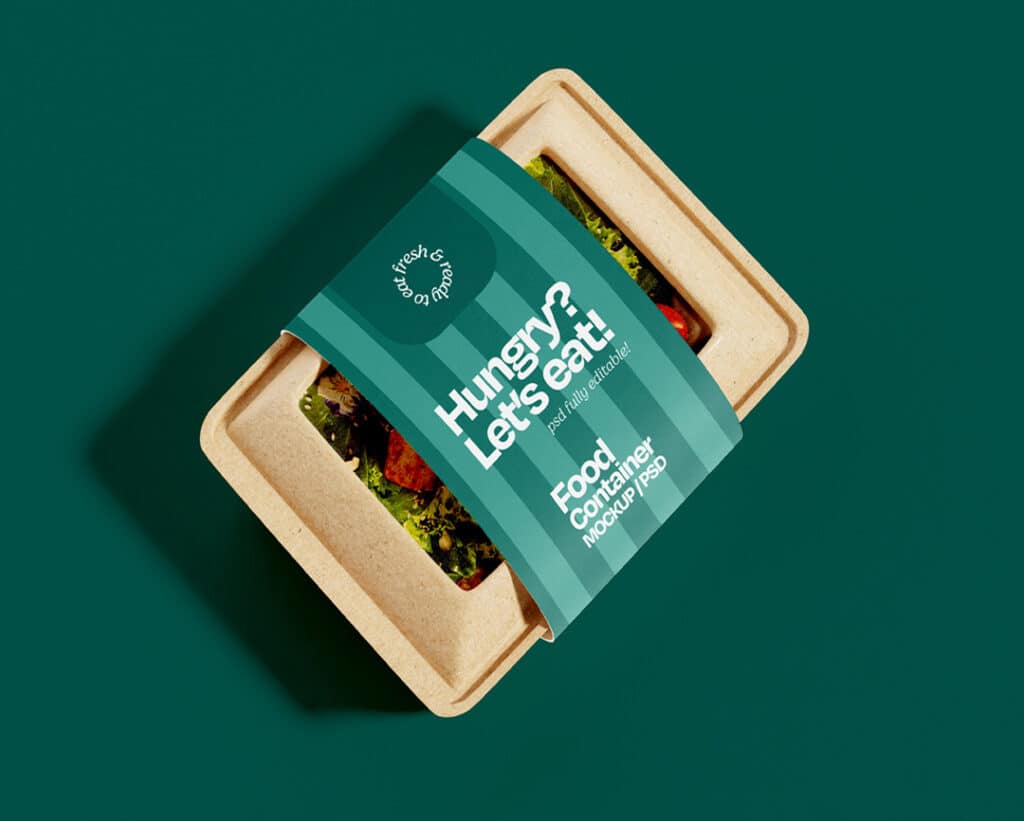
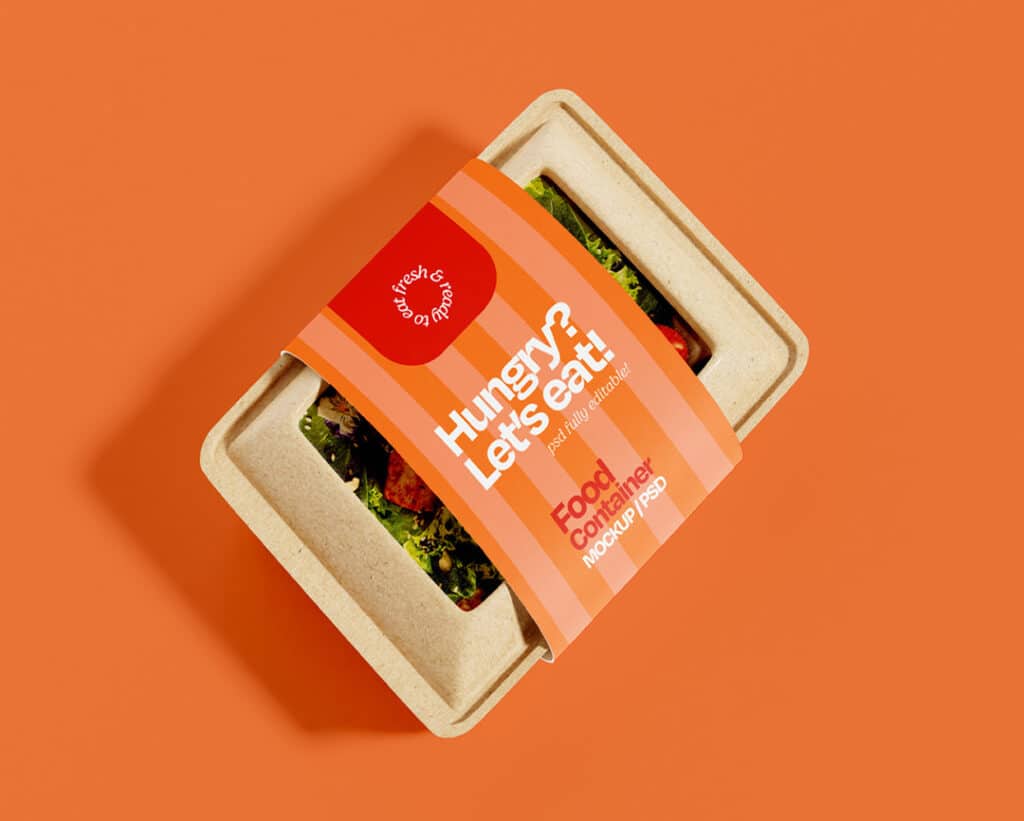
- Moulded pulp packaging
All of these materials can be commonly recycled, making them a far more eco-friendly option for your organisation. Using them not only helps the environment, but it also shows that your company cares about our future.
Contact Custom Pack Studio – For Quality Packaging Solutions
For eco-friendly packaging alternatives to polysyrene, contact Custom Pack Studio.
We create custom, quality packaging solutions with the environment in mind, helping you cut down on waste with packaging that fits your products perfectly, looks great, and protects both your items and the planet.
Our experienced team can help with both the design and manufacturing of your packaging, producing high-quality items that work smoothly with your own production process.
For more information on how we can help elevate your brand, contact our team today.