



Luxury packaging looks effortless from the outside.
A lid that clicks shut on its own, a surface with a fabric-like texture, print that catches the light without turning glossy.
Getting there takes real engineering, several extra production stages, and a materials brief that goes well beyond a standard box.
At Custom Pack Studio, we build packaging boxes across every tier, from simple postal mailers to full luxury packaging boxes with rigid structures and hand-applied finishes.
A luxury brief pushes each stage further than a standard carton ever needs, from the material through to the final finish.
What “luxury packaging” means by Newcastle packaging professionals
Luxury packaging is defined by a combination of things.
Be that high-end materials, precise structural engineering, and finishing techniques that together build a strong sense of perceived value before anyone even sees the product inside.
Premium products don’t need expensive packaging by default, and cheaper products aren’t locked out of it either.
The features of luxury packaging (weight, closure, tactile finish, print quality) shape a buyer’s sense of quality more than the price tag ever does.
In the luxury market, first appearances matter the most.
Brands with high-value products often spend as much attention on the box as they do on the product itself.

The materials behind luxury designs
We start most luxury packaging projects with a rigid box rather than a folding carton.
Rigid board holds its shape without folds or creases showing through the surface.
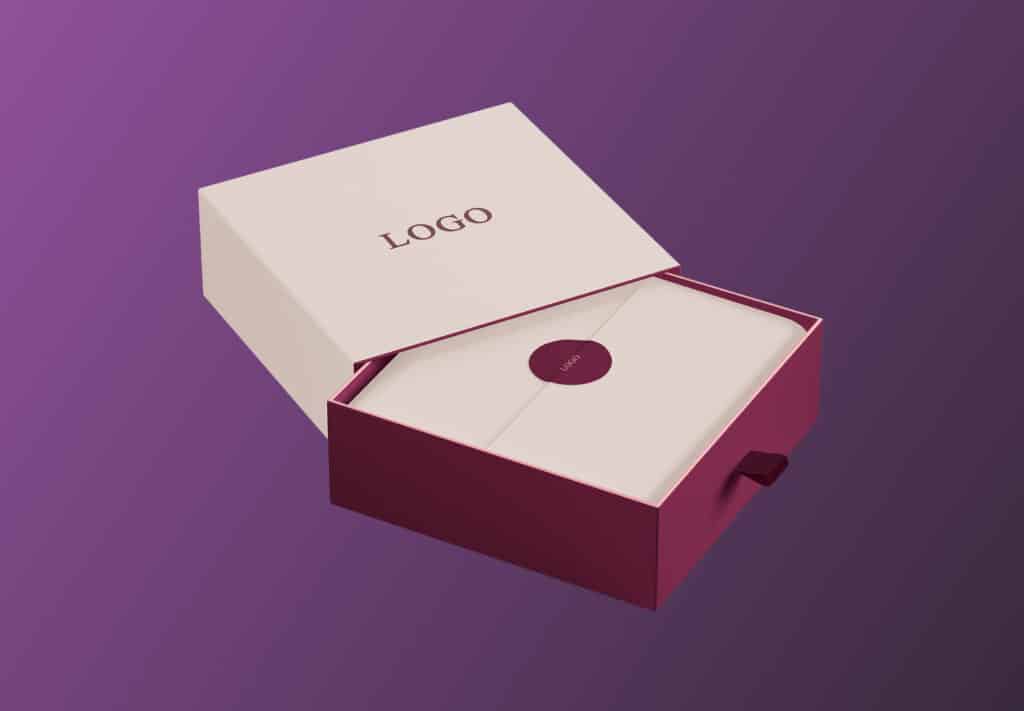
Custom rigid boxes are built from multiple layers of dense grey board, wrapped in printed paper or a specialist material.
That build is why they feel noticeably heavier than a standard carton the second you pick one up.
Beyond the board itself, the premium materials used vary by brief.
It could be cotton-textured papers, coloured tissue paper as an interior lining, or fabric-effect wraps for a softer feel.
Durability matters as much as the finish.
Luxury packaging materials are chosen partly for how they hold up in transit, partly for how they’ll still look new when a customer opens the box weeks after ordering.
Standard packaging has to survive transit too, any box being shipped needs to hold together.
Luxury packaging is tested well past that baseline, and high-end rigid boxes are engineered with that higher bar built in from the first material sample.
From concept to structure: the design process
Getting the structure right
Structural design happens before a single sheet gets printed.
A designer works out how the box opens, whether it needs a hinge, a magnetic flap, or a two-piece lift-off lid, and how the product sits inside without shifting during transit.
Get the structure wrong and no amount of foil stamping later will rescue a box that feels flimsy in the hand.
We won’t send a design to finishing until the structural sample has been tested and approved.
Bespoke surface design comes next
Once the structure is settled, the luxury packaging design moves into surface work.
Colour, typography, brand marks, and how much white space the design allows to breathe.
Bespoke packaging gives a brand full control over every one of those packaging decisions, rather than fitting a product into someone else’s template.
We talk brands through how to design your luxury packaging from the first sketch.
Customised packaging only works when the structure and the surface design get solved together, from the very start.
That’s what separates bespoke luxury packaging from custom printing onto an off-the-shelf shape.
Finishing techniques that make packaging feel luxury
A well-designed structure still needs the right finish to feel luxury in someone’s hands.
None of these techniques are complicated alone.
The effect comes from combining them precisely and applying each one well for effective packaging design.
Foil stamping and embossing
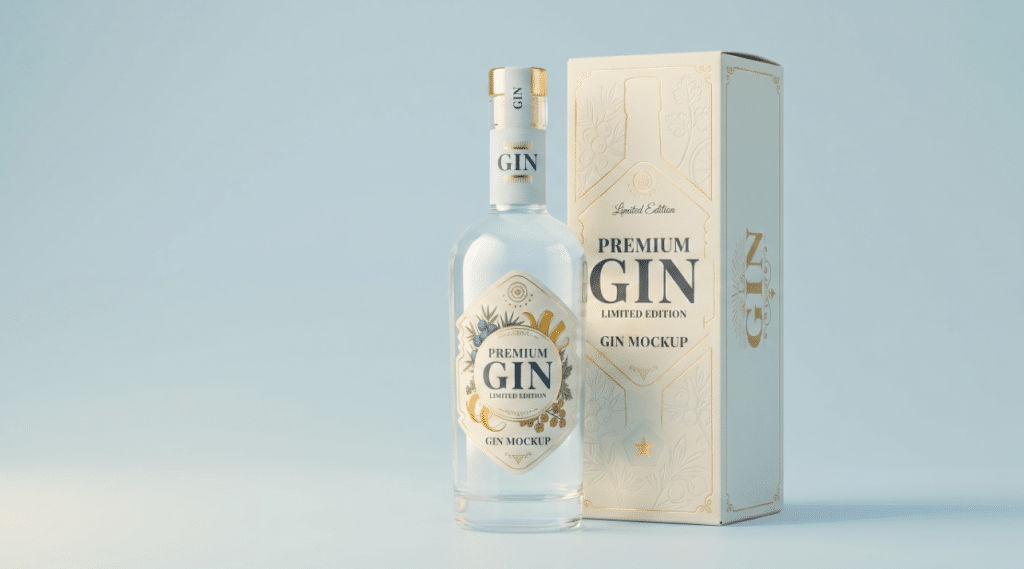
Foil stamping presses a thin layer of metallic or coloured foil onto the board using heat and pressure, usually for a logo or a border.
Embossing raises part of the surface into a three-dimensional shape, so a mark can be felt as well as seen.
Debossing works the opposite way.
Instead of raising the surface, it presses a design into the board, which tends to read as subtler and more understated than an emboss.
All three change the look and feel of a box more than printing alone ever could.
We use them on jewellery and beauty boxes especially, where a customer touches the packaging before they touch anything inside it.
Soft-touch lamination
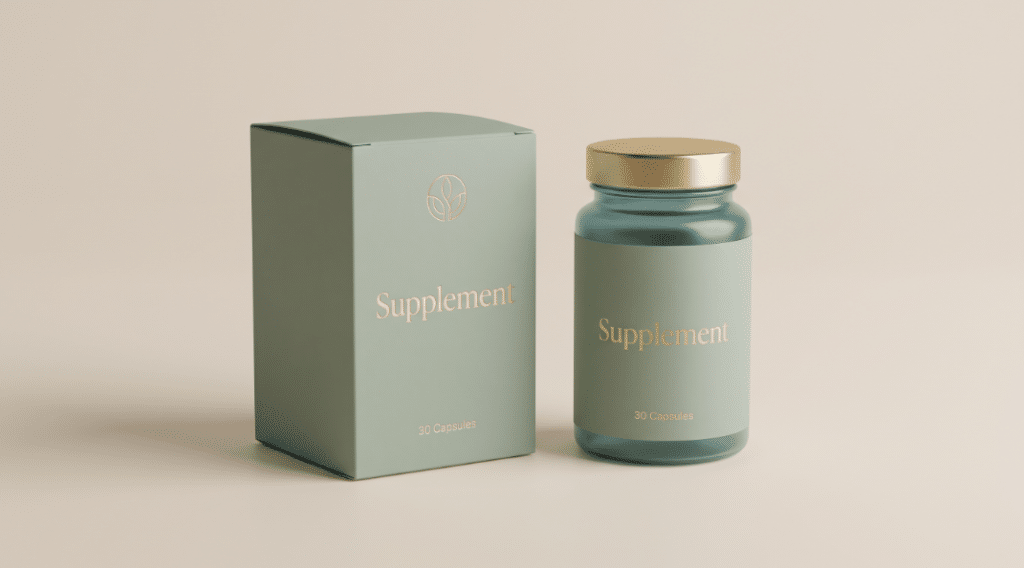
Soft-touch lamination is a matte film applied over the printed surface that gives the board a velvety texture instead of a glossy or paper-like finish.
It also resists fingerprints better than gloss lamination.
That matters because a box changes hands more than once before a customer ever opens it.
Magnetic closures and inserts
A magnetic closure lets a lid click shut with a small, satisfying resistance instead of just sitting loose on top.
It’s a small mechanical detail, but it changes how solid the whole box feels.
Custom inserts, foam or fabric-lined card, hold the product firmly in place and stop it rattling around during transit.
Well-designed luxury packaging treats the insert as part of the product experience, planned alongside the structure from day one.
This can be a great touch for candle packaging.
Why luxury packaging costs more than standard packaging
Every stage above adds cost on its own.
Arigid structure costs more to produce than a folding carton, and foil stamping and embossing both need separate tooling and separate production runs.
For the luxury market, though, tactile touches like these and the first impression they create justify the price, and support a mark-up at retail.
Soft-touch lamination also runs slower than a standard gloss or matte finish, and that time shows up directly in the price.
Packaging shapes that first judgement of quality more than the price does.
A well-built box does that work long before it ever reaches a till, in a delivery van and on a customer’s doorstep.
Brands that invest properly in packaging are creating a premium impression that holds up under scrutiny.
A cheap box undoes that in seconds, no matter how good the product inside is.
Can luxury packaging be sustainable
Worried that sustainable materials will look or feel cheaper?
Recycled and certified board used to have that reputation, but FSC and PEFC certified board now looks and feels identical to virgin material.
It even takes foil stamping and lamination just as well.
We produce our packaging for luxury goods on 100% recyclable as standard.
A brand gets the premium unboxing moment and a genuine environmental claim from the same box, for the ultimate first impression.
What luxury packaging does for a brand
The unboxing experience carries more weight than most of the process before it.
It’s often the first time a customer holds something physical from the brand at all, and it sets the tone for how they judge the product itself.
A memorable unboxing doesn’t need to be extravagant.
Deliberate materials and precise finishing are what make it feel considered instead.
Our designer team would be more than happy to guide you on different ways to create that first impression.
Photographed and shared long after purchase
Luxury packaging keeps working after the sale.
A well-built box gets photographed and shared on social media weeks after purchase, in a way a standard mailer box never does.
That’s free exposure a brand doesn’t have to pay for.
Luxury packaging boxes also carry brand identity in a way generic packaging simply can’t.
The closure and the internal print both reinforce the same visual language as the rest of the brand, right down to how the insert reveals the product.
Building brand loyalty over time
Consistent packaging across a whole product range builds brand perception over time.
Do that consistently enough, and a one-off purchase turns into brand loyalty.
We see this with our own repeat customers: brands that reorder don’t ask us to redesign the box, because their customers already recognise it on sight.
Packaging shapes how a customer judges the product every time they buy again, whether they realise it or not.
Luxury packaging for growing brands
We built Custom Pack Studio so smaller and growing brands could order proper luxury packaging without committing to a large minimum run first.
You can order custom gift boxes or explore our full luxury packaging range from a single unit upwards, so a small brand’s first run looks and feels like the packaging on a shelf next to far bigger names.
FAQs on luxury packaging
What makes packaging “luxury”?
It comes from pairing high-end materials and precise structural design with finishing work like foil stamping or soft-touch lamination.
What materials and finishes are typically used?
Rigid board is the most common base, often paired with premium papers or fabric-effect wraps, then finished with foil stamping, embossing, soft-touch lamination, or magnetic closures.
Why does luxury packaging cost more than standard packaging?
Rigid structures and specialist tooling for foil and embossing add most of the cost, plus slower, hand-finished assembly on top.
Can luxury packaging be sustainable?
Yes. FSC and PEFC certified board and 100% recyclable materials can carry the same finishes and structural quality as non-certified alternatives.
How long does bespoke luxury packaging take to produce?
It depends on the structure and finishes chosen, but expect longer lead times than standard packaging because of the extra tooling and hand-finishing involved. We’ll always give you a realistic timeline before you commit to a design.
Ready to explore luxury packaging for your brand?
Not sure whether your product needs this level of packaging? A well-made box sells what’s inside it every time someone opens it.
Get in touch for a free quote and we’ll talk you through what luxury packaging could look like for yours, with no minimum order to worry about.