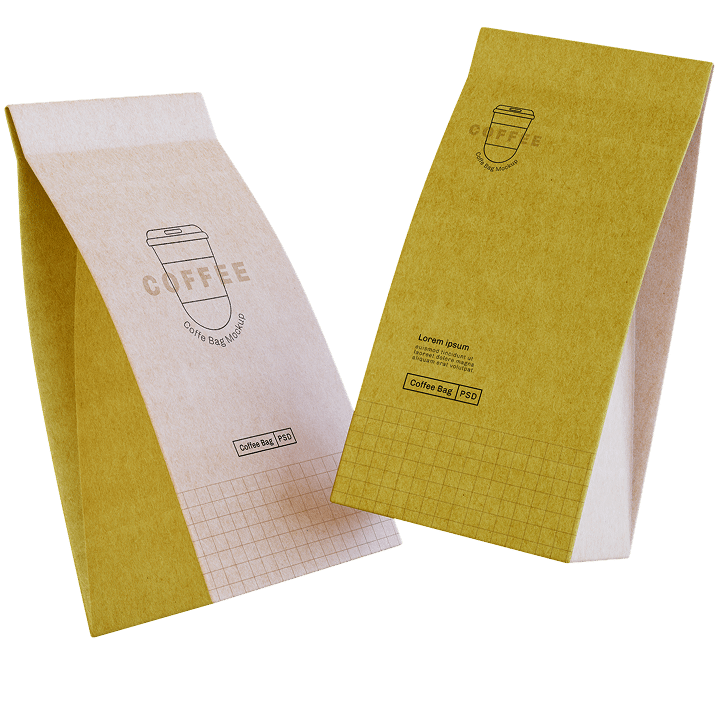

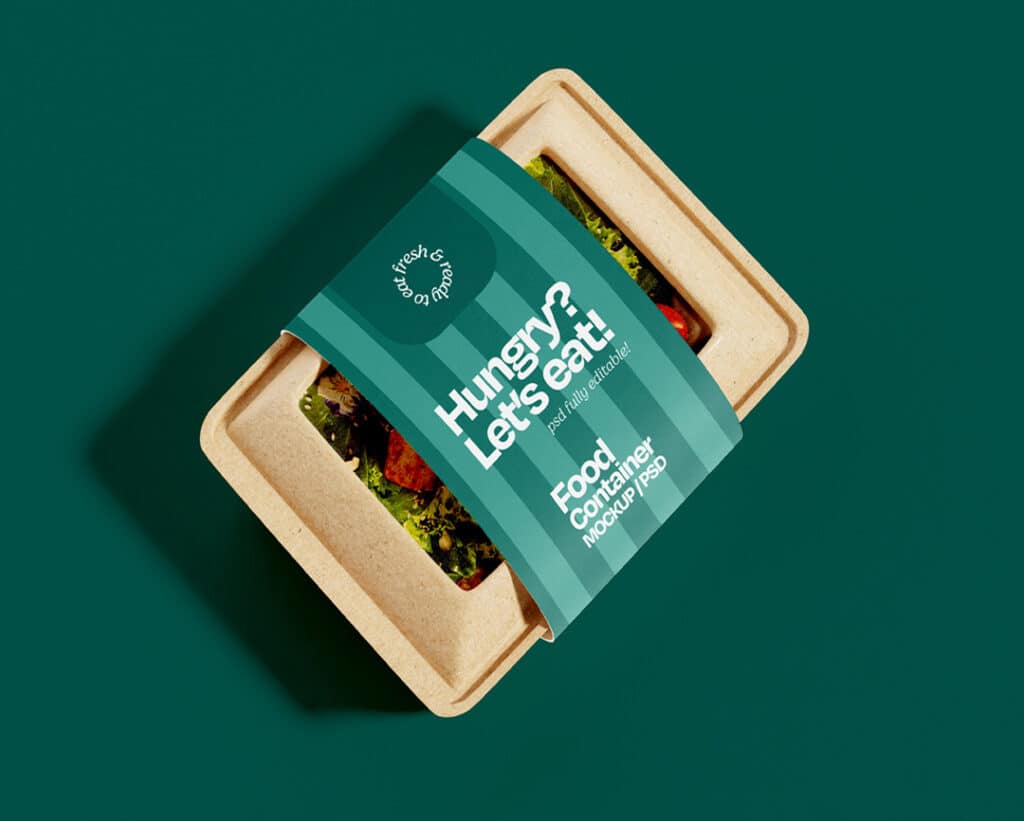


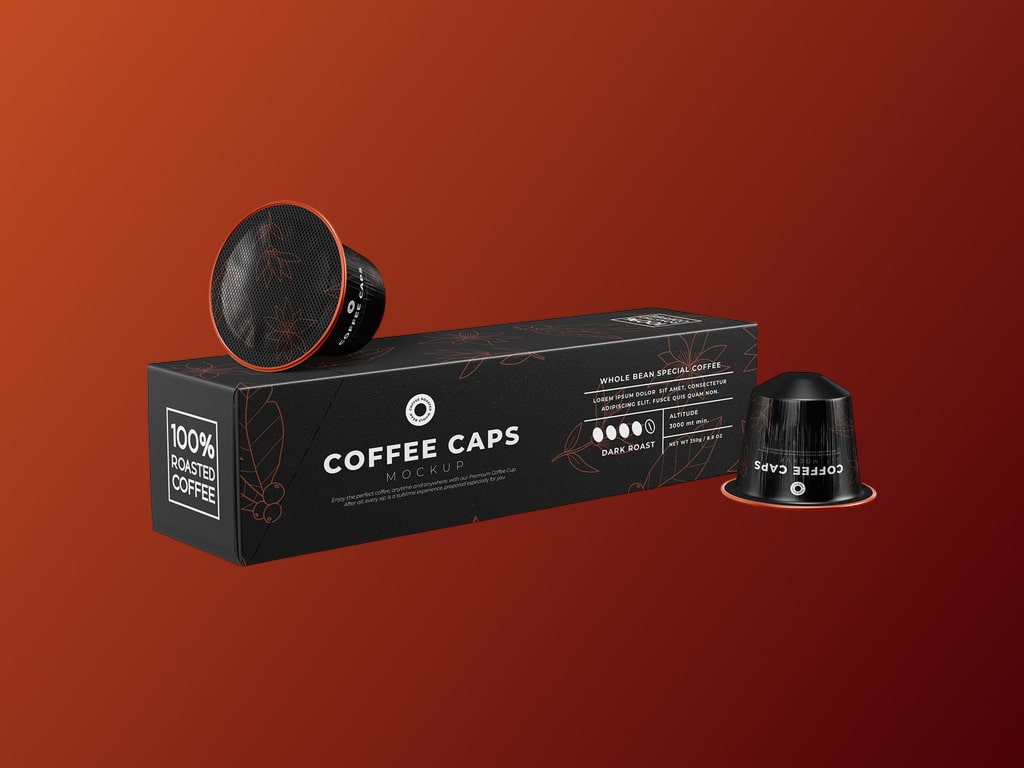





Walk into any packaging supplier and you’ll hear terms thrown around that sound interchangeable but aren’t. Cardboard. Corrugated. Cartonboard. Paperboard. Mailers. Each means something different, and choosing the wrong material for your product leads to either damaged goods or wasted money.
Here’s what each material actually is, what it’s best for, and how to pick the right one for your products.
The terminology problem
People use “cardboard” to describe almost any paper-based packaging. That cereal box? Cardboard. The shipping box your Amazon order arrived in? Also called cardboard. But in the packaging industry, these are different materials with different properties and different uses.
Understanding the distinction matters because it affects how well your packaging protects your product, how it looks, how much it costs, and how it gets priced for shipping.
Cartonboard (what most people call cardboard)
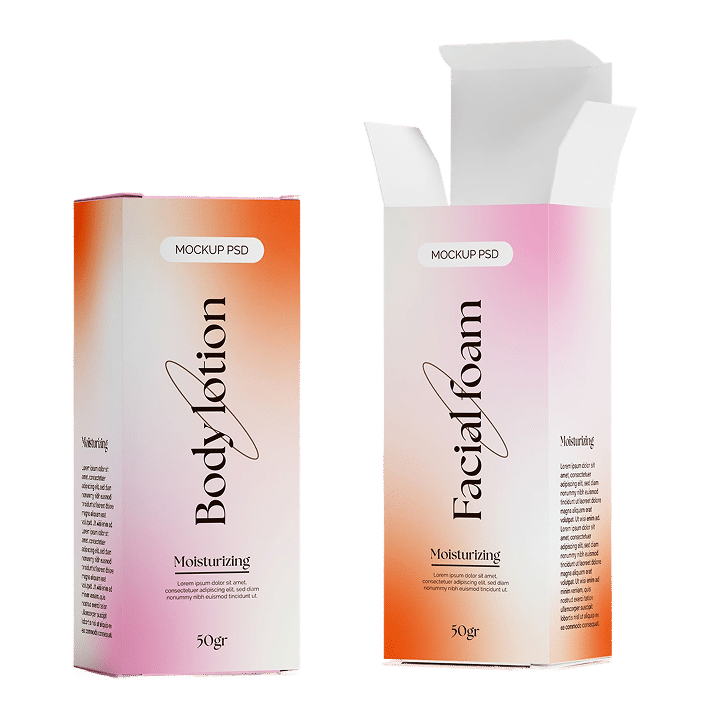
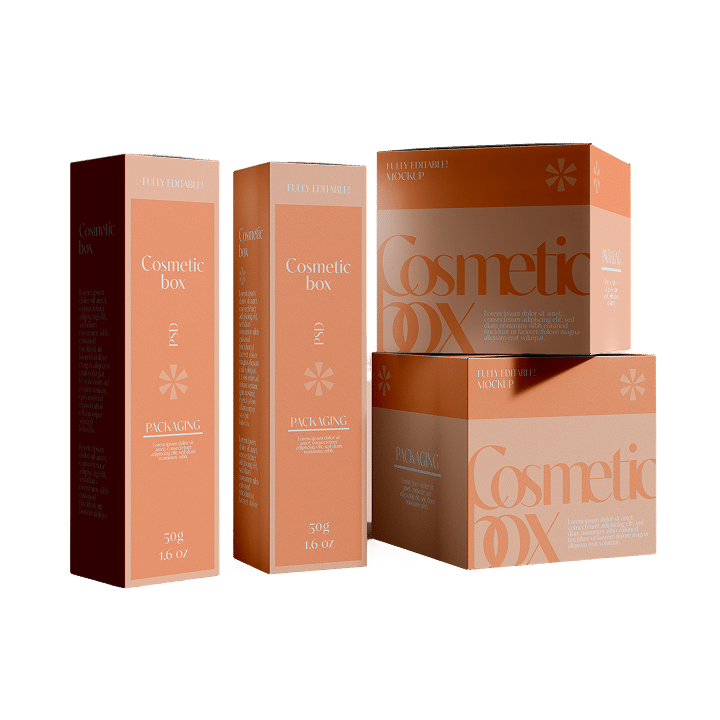
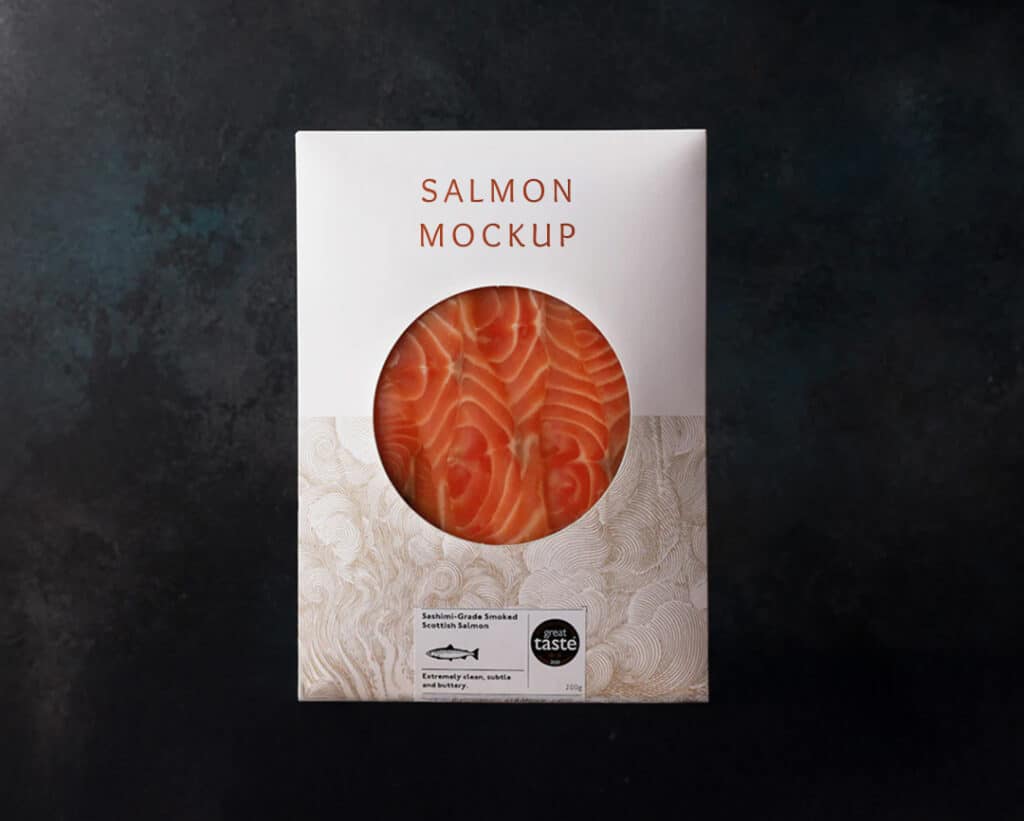
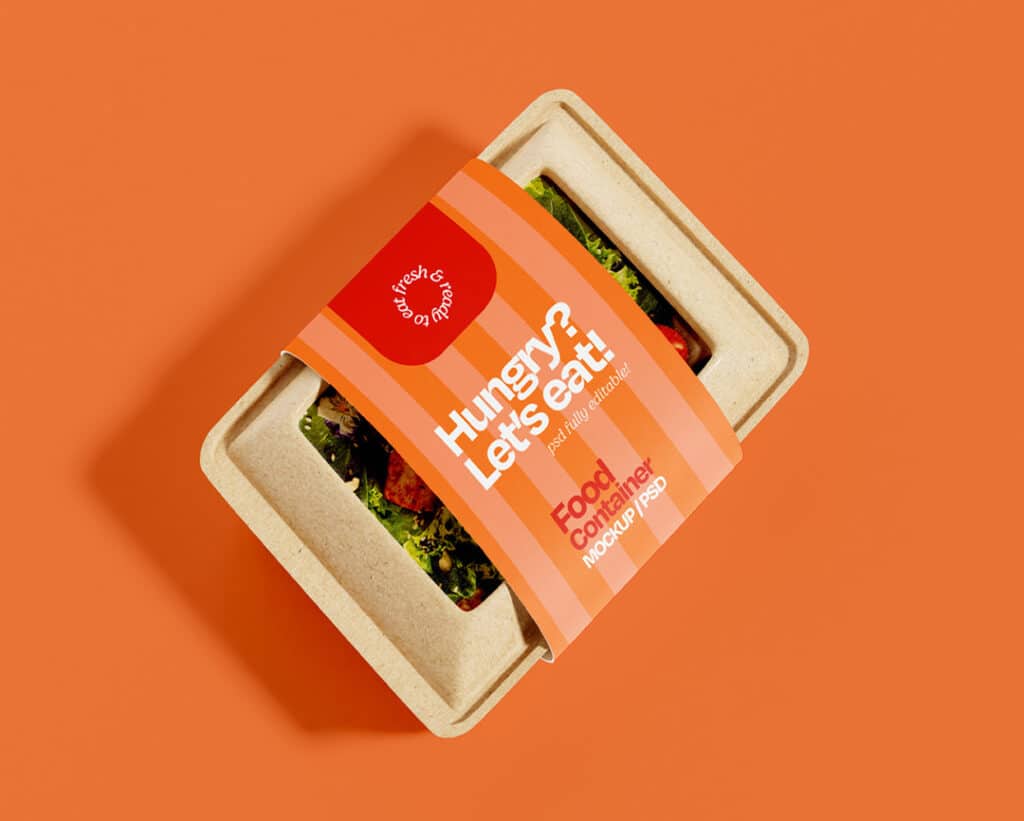
Cartonboard, also called paperboard or folding boxboard, is a single layer of thick, smooth paper. It’s what cereal boxes, cosmetic packaging, and most retail product boxes are made from. When you think of a beautifully printed gift box or a perfume carton, you’re thinking of cartonboard.
Strengths
The smooth surface makes cartonboard ideal for high-quality printing. Fine details, photographic images, and subtle colour gradients all reproduce well. It folds cleanly and holds its shape, which is why it’s the standard material for retail packaging that needs to look polished on shelves or in photos.
Cartonboard is also lightweight and relatively inexpensive. For products that don’t need heavy-duty protection and won’t be subjected to rough handling during shipping, it provides an attractive, cost-effective solution.
Limitations
Cartonboard offers minimal protection against impact. Drop a cartonboard box and whatever’s inside will feel it. The material compresses under pressure, so stacking heavy items on top of cartonboard packaging during transit can crush it. It’s also not water-resistant unless coated.
Best for
Retail packaging that ships inside a protective outer box, cosmetics and beauty products, food packaging (cereals, bakery items, confectionery), gift boxes, pharmaceutical cartons, and any product where visual presentation matters more than heavy-duty protection.
Corrugated board
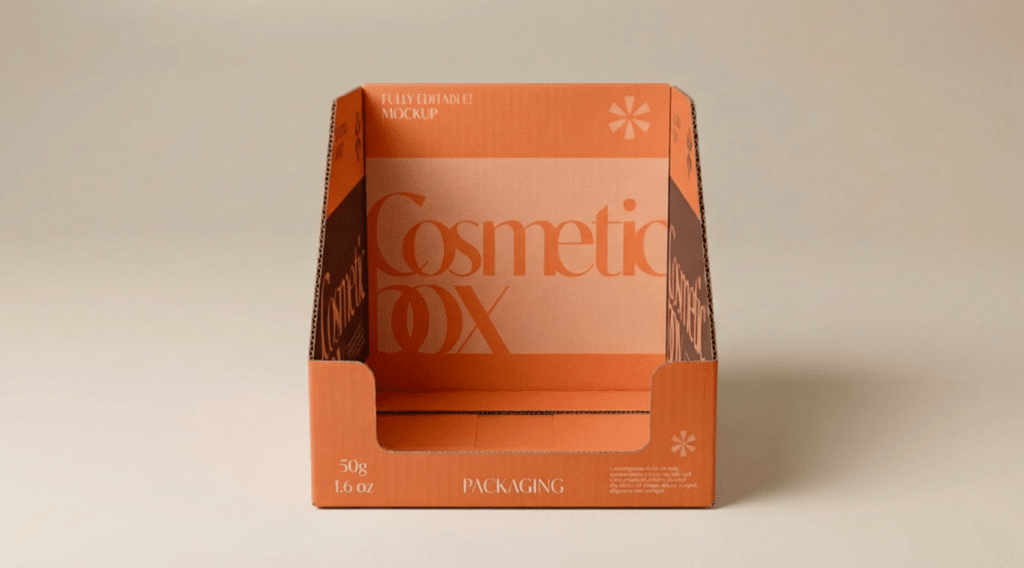
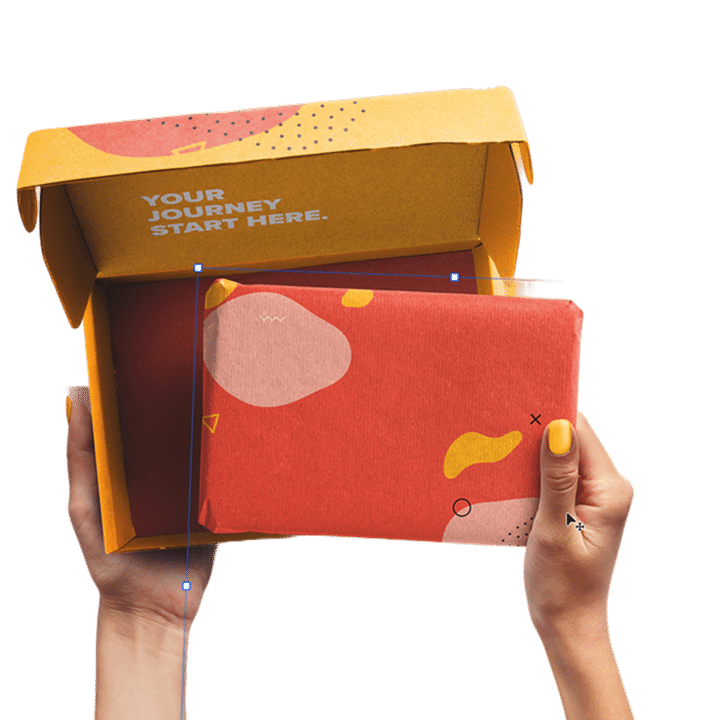
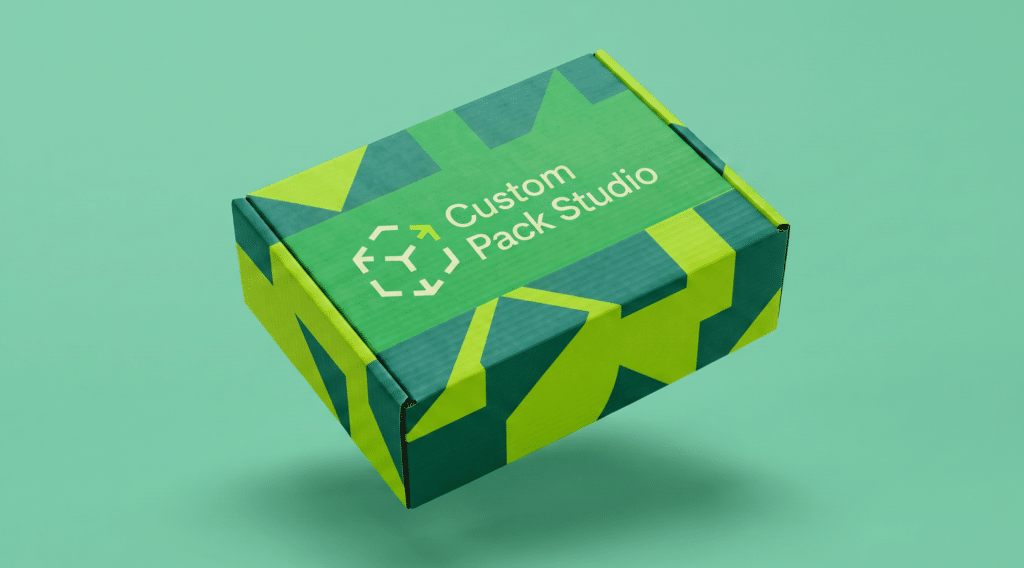
Corrugated board is the workhorse of shipping packaging. It consists of two flat liner sheets with a wavy, fluted layer sandwiched between them. Those flutes create air pockets that absorb impact and give the material its strength.
You’ll see corrugated described as single-wall, double-wall, or triple-wall. Single-wall has one fluted layer and is suitable for most shipping needs. Double-wall has two fluted layers and handles heavier items or stacking. Triple-wall is industrial-grade, used for very heavy or fragile goods.
Strengths
Corrugated board is strong enough to resist compression, absorb shocks, and protect contents from the bumps and drops that happen during transit. It stacks well without collapsing, which matters for warehousing and palletised shipping, and despite its strength, corrugated remains lightweight because those flutes are mostly air.
The material is also highly recyclable and often made from recycled content. It breaks down naturally and can be recycled repeatedly, making it one of the more sustainable packaging options available.
Limitations
Printing on corrugated isn’t as sharp as on cartonboard. The textured surface from the flutes underneath can show through, and fine details don’t reproduce as crisply. For this reason, corrugated boxes often use simpler designs or rely on large, bold graphics that work with the material’s limitations.
Corrugated is also bulkier than cartonboard. It takes up more storage space, and for very small products, a corrugated box might feel oversized.
Best for
Shipping boxes and mailer boxes, e-commerce packaging that goes directly to customers, storage boxes, moving boxes, any product that needs to survive courier handling, and heavy items that would crush lighter packaging.
Poly mailers
Poly mailers are lightweight plastic bags with a self-sealing strip. They’re the grey or white plastic envelopes that most clothing orders arrive in. Some versions include bubble padding for extra protection.
Strengths
Cost is the biggest advantage. Poly mailers are significantly cheaper than boxes, and they’re also lighter, which reduces shipping costs. For a clothing brand sending thousands of parcels monthly, the savings add up fast.
Poly mailers take up virtually no storage space when empty, and they require no assembly, tape, or filler material because you simply insert the product, peel the strip, seal, and ship. For businesses with high order volumes, these efficiency gains matter.
Because they’re thin and flexible, poly mailers can fit through letterboxes. This reduces failed deliveries and the need for customers to be home, which in turn reduces customer service issues.
Limitations
Poly mailers offer no structural protection, which means products inside can be bent, crushed, or compressed. For anything fragile, breakable, or rigid, poly mailers are a poor choice. The “four-foot test” is a useful rule: if you can drop your product from four feet without damage, a poly mailer is probably fine, but if there’s any risk of breakage, use a box instead.
There’s also the branding consideration. Poly mailers can be printed with logos and colours, but they don’t provide the premium unboxing experience that branded boxes create. If you’re weighing up whether custom packaging is worth the investment, the material choice is part of that calculation. For brands where presentation matters, the cost savings might not offset the perception hit.
Sustainability is another concern. Most poly mailers are plastic, and while some are recyclable or made from recycled materials, they’re not as universally recyclable as cardboard. Paper-based mailers exist as an alternative but are less common.
Best for
Clothing and textiles, soft goods that won’t break, non-fragile accessories, high-volume shipping where cost matters more than unboxing experience, and any product that’s already in protective packaging (like shoes in a shoebox).
Quick comparison
| Factor | Cartonboard | Corrugated | Poly Mailer |
|---|---|---|---|
| Protection | Low | High | Minimal |
| Print quality | Excellent | Good | Basic |
| Cost | Medium | Medium-High | Low |
| Weight | Light | Light-Medium | Very light |
| Unboxing experience | Excellent | Good | Basic |
| Sustainability | Good | Good | Variable |
Choosing the right material
Start with your product and ask the right questions: is it fragile or heavy, does it need to look premium when the customer opens it, and how will it travel from your warehouse to the customer’s hands?
If your product is delicate and needs to look impressive, cartonboard inside a corrugated shipping box gives you the best of both worlds: visual appeal at the point of unboxing, with protection during transit.
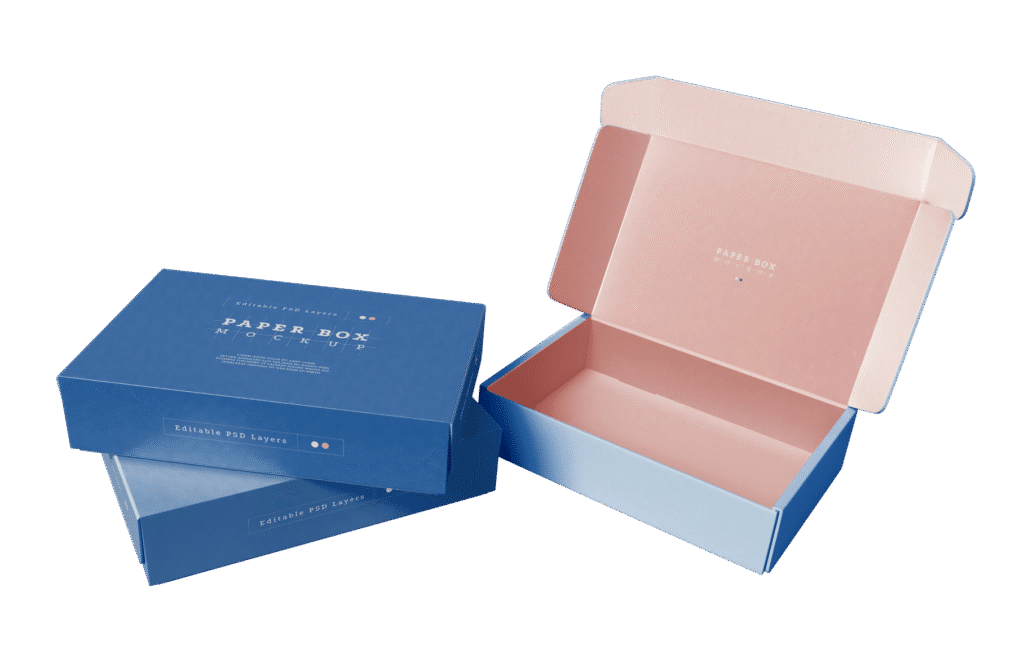
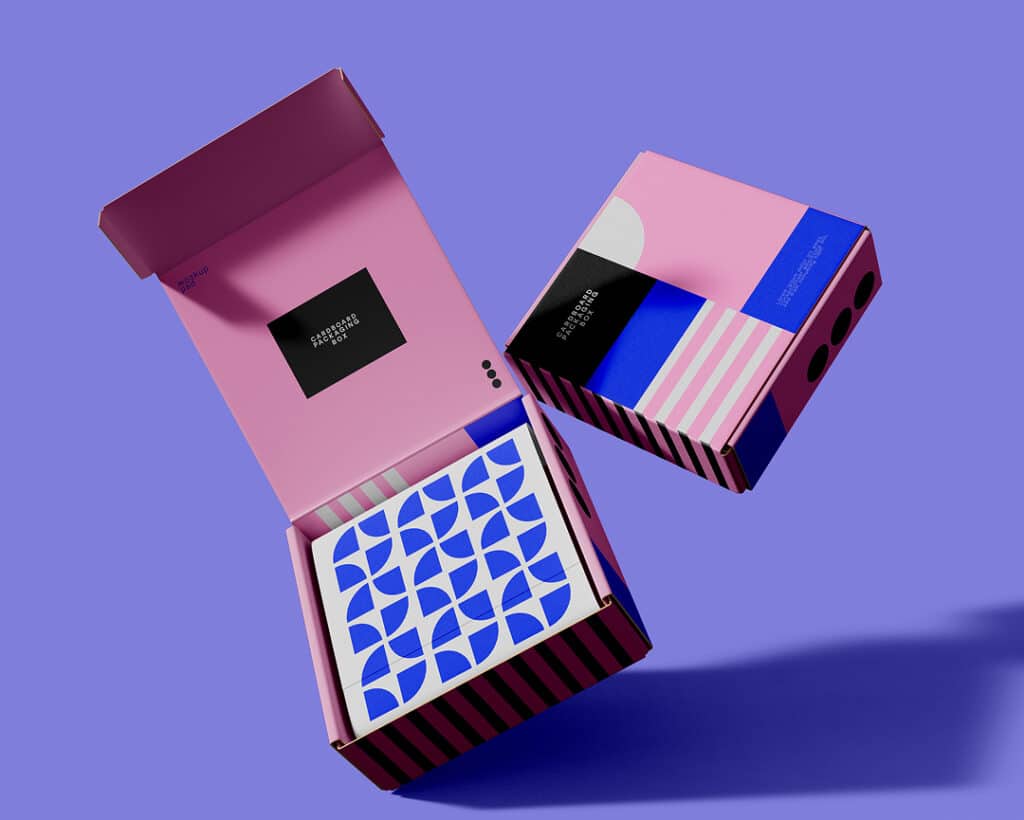
If you’re shipping directly to customers and the product isn’t fragile, corrugated mailer boxes provide protection and decent branding opportunities without the complexity of inner and outer packaging.
If cost efficiency is your priority and your products can handle being squeezed and flexed, poly mailers will save you money on both materials and shipping.
Still not sure? Talk to a packaging specialist who can look at your specific products and recommend the right approach. The best material depends on factors unique to your business, and getting it wrong costs more than getting advice upfront.