



Ordering custom packaging for the first time feels like stepping into a world of terms you didn’t know existed. Tuck-end, crash-lock, gsm, dieline, litho print. The product packaging options can feel a little overwhelming. It’s enough to make anyone stick with plain brown packaging boxes and a sticker.
But the right packaging solutions completely change how customers see your product. It protects what you sell, reflects your brand, and turns a delivery into something worth remembering. The trick is knowing what to choose for your product and brand.
Here’s what you need to consider when choosing customised packaging for your small business.
Start with your product, not the packaging box
Before looking at box styles or finishes, think about what’s going inside. That’s what’s most important. The product dictates everything else.
Ask yourself:
- What are the dimensions of the product? Length, width, and height, measured at the widest points.
- How heavy is it? Heavier products need thicker board.
- Is it fragile? Glass bottles need more protection than a cotton t-shirt.
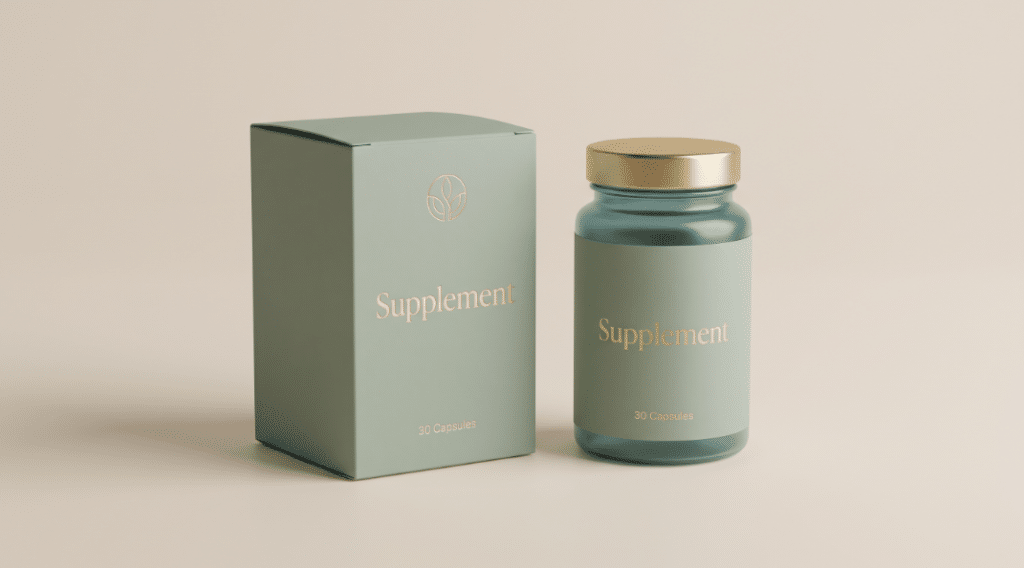
- Is it something that can be consumed? Food packaging and pharmaceutical packaging products often have stricter rules to protect the consumer.
- Does it need to stand upright, lie flat, or go inside an insert?
- Will it be shipped or mailed in this box, or is this retail packaging that goes inside a shipping box?
Answering these questions narrows your options quickly.
A candle brand needs a sturdy cardboard box that holds the product snug without movement. A jewellery maker needs something smaller but with a premium feel. An e-commerce brand shipping directly to customers needs a box that survives the postal system and shows off your brand right from delivery.
Box styles explained by Custom Packaging Glasgow professionals
Although the boxes can be completely customisable, most custom packaging falls into a handful of box types. Each packaging design has different strengths, and the correct choice depends on your product and how customers will interact with the packaging.
Reverse tuck-end boxes
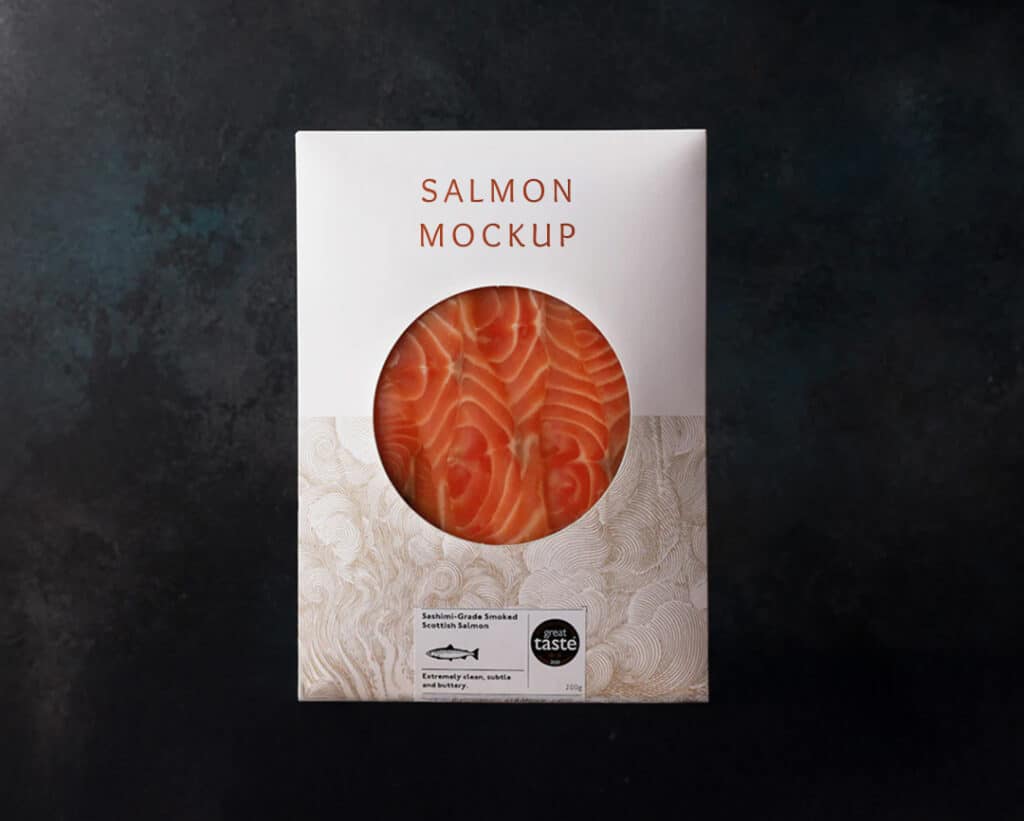
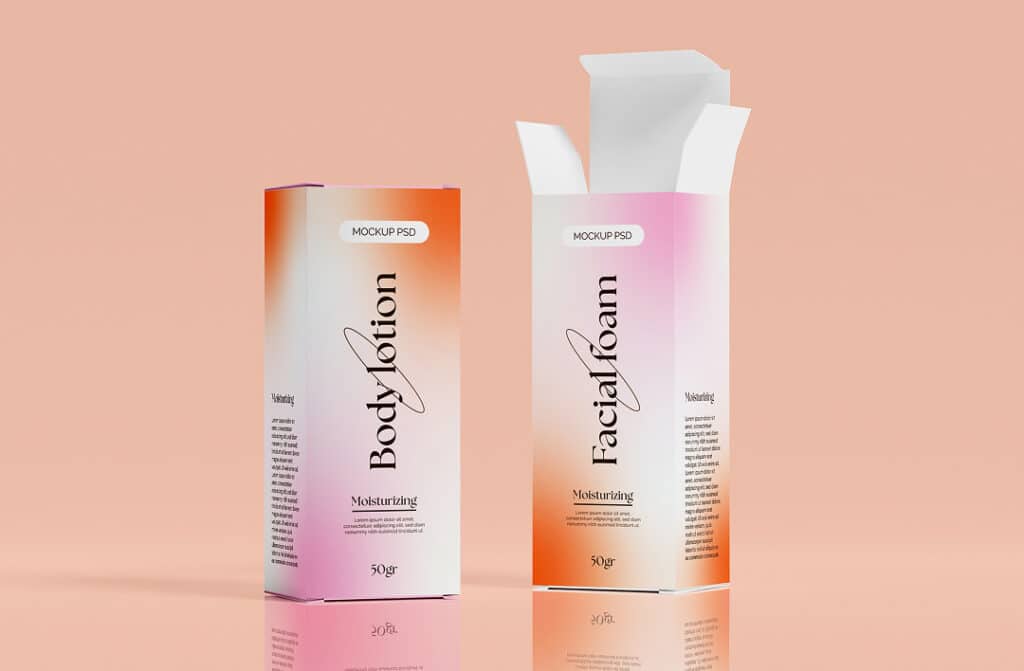
This is the classic retail box you see on shop shelves.
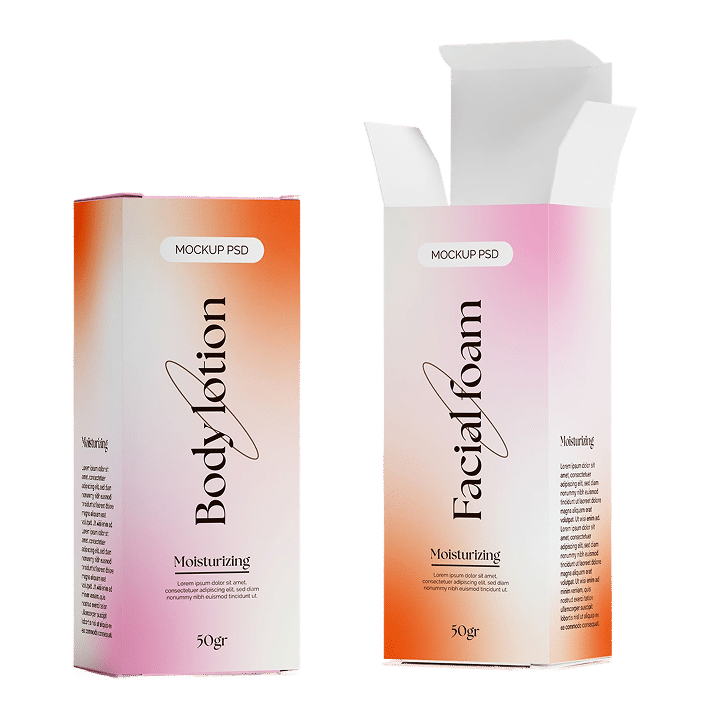
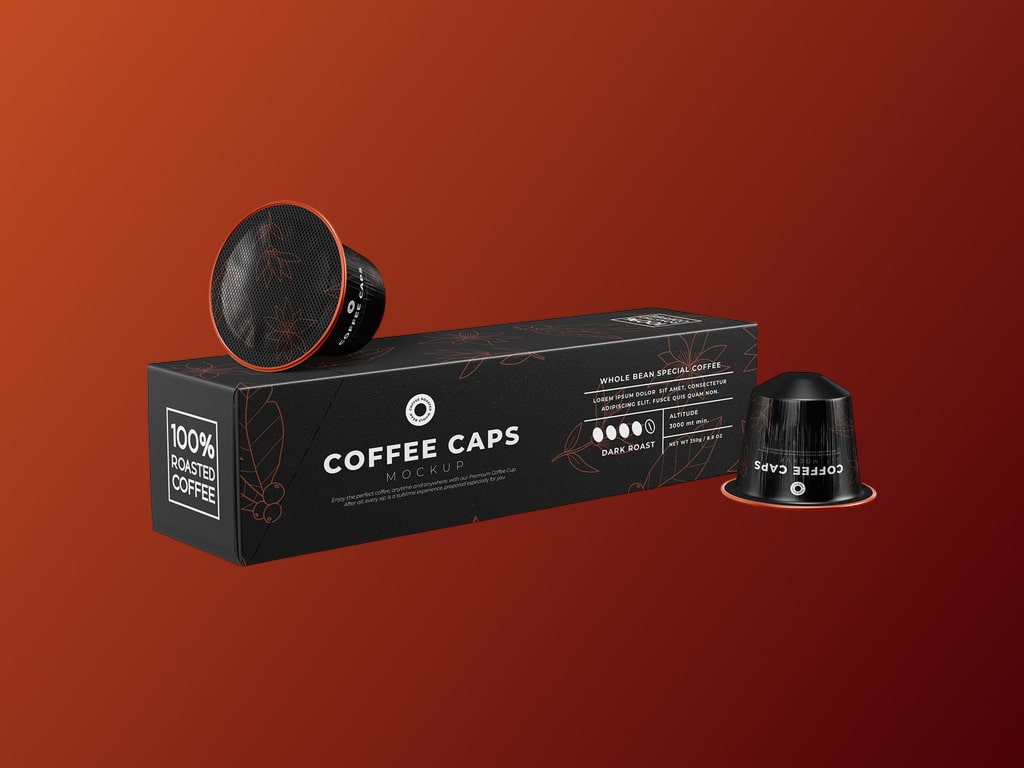
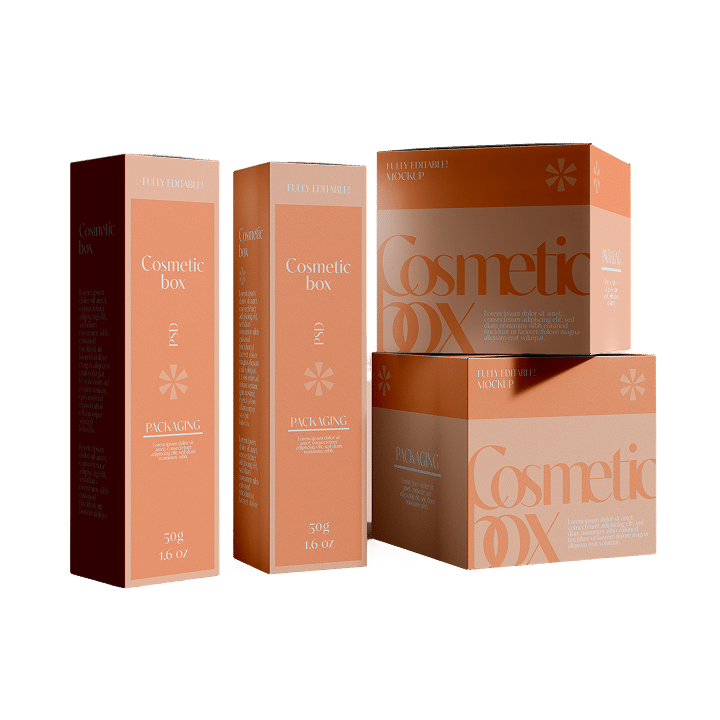
The top and bottom flaps tuck in to close, with the top flap tucking one way and the bottom tucking the other. They’re versatile, affordable, and work well for products that sit uprigh. Think cosmetics, food items, candles, and small consumer goods.
They’re also the most common choice for first-time buyers because they suit a wide range of products and are easy to assemble. When combined with branded packaging, reverse tuck-end boxes help elevate your brand and product, all while keeping costs within budget.
Crash-lock boxes
Crash-lock boxes have a base that folds flat for storage and pops into shape with a single push. No fiddly tucking or packaging tape at the bottom. Easy to assemble and fast to pack. They help a lot if you have to fill orders by hand.
They’re also a great option for heavier items that need a secure base. The self-locking base also gives a cleaner finish inside the box, which helps if the unboxing experience matters to your customers.
Mailing and shipping boxes
Poly mailers may be cheap. But with more consumers than ever prioritising sustainability, this cheap option falls short in creating a good first impression of your brand as well as protecting your products.
This is where custom printed boxes comes in to save the day.
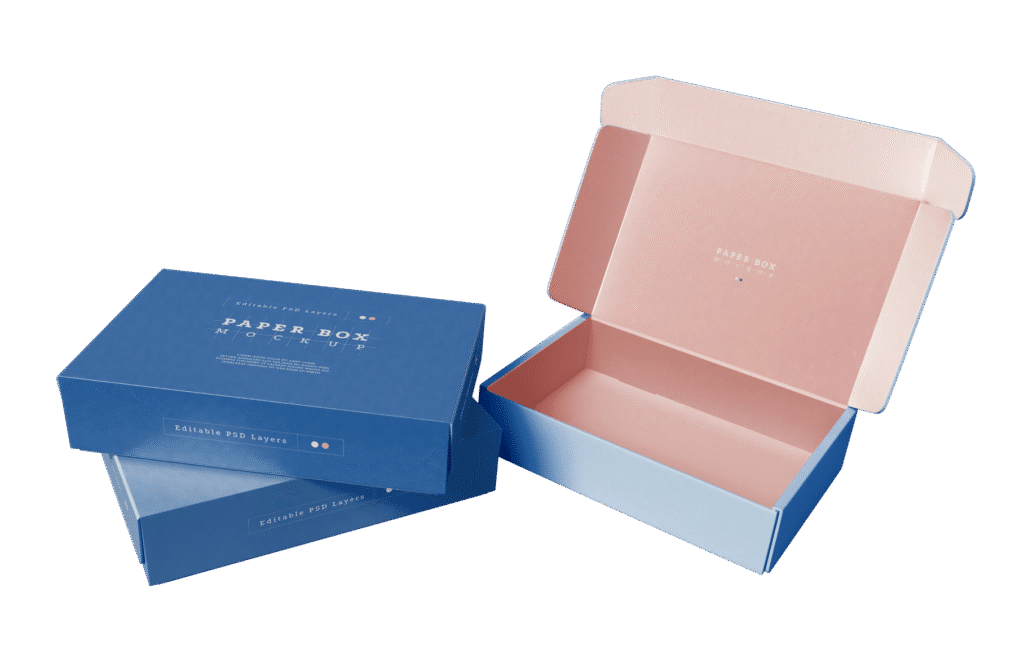
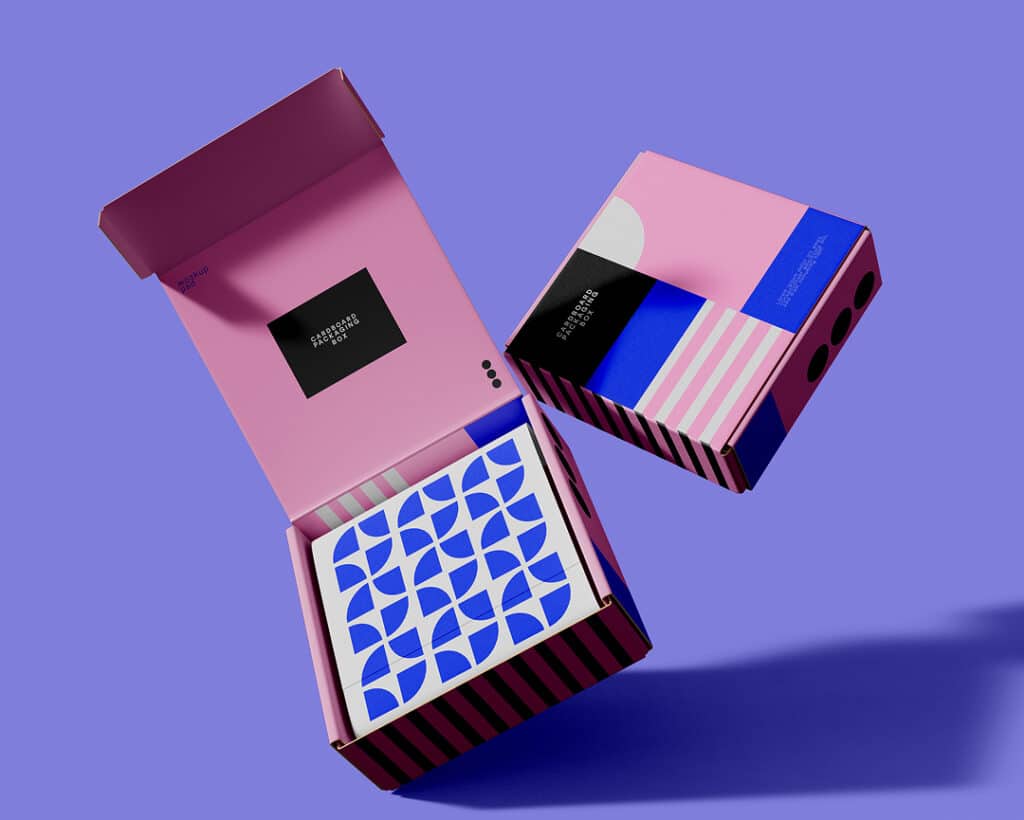
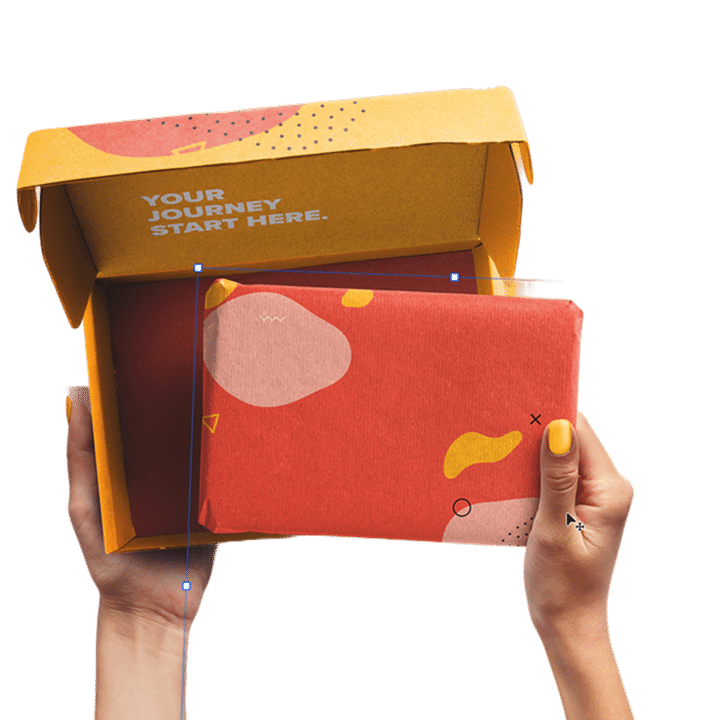
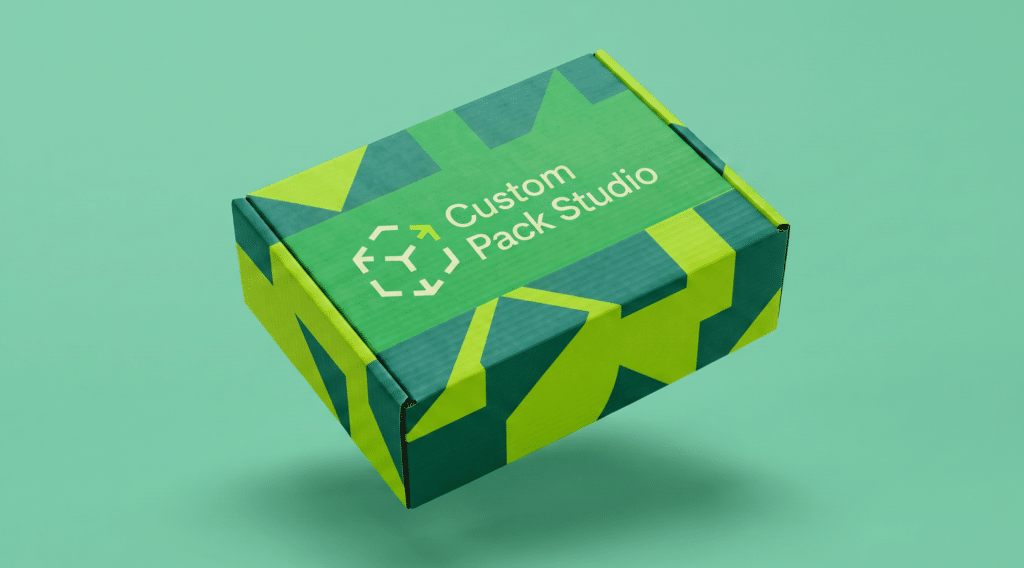
Postal mailing boxes are designed for shipping. These parcels are typically made from corrugated board for extra protection. The lid folds over and tucks in, giving a clean front-facing panel that’s perfect to create a branded box.
If your customers buy online and receive your product by post, a branded mailer box turns the delivery into a brand experience. That’s exactly they’re subscription box companies, e-commerce brands, and gift box services go-to custom packaging solution.
And if you are thinking of packaging for a product launch, a custom mailing box can help propel your product to success.
Sleeve packaging
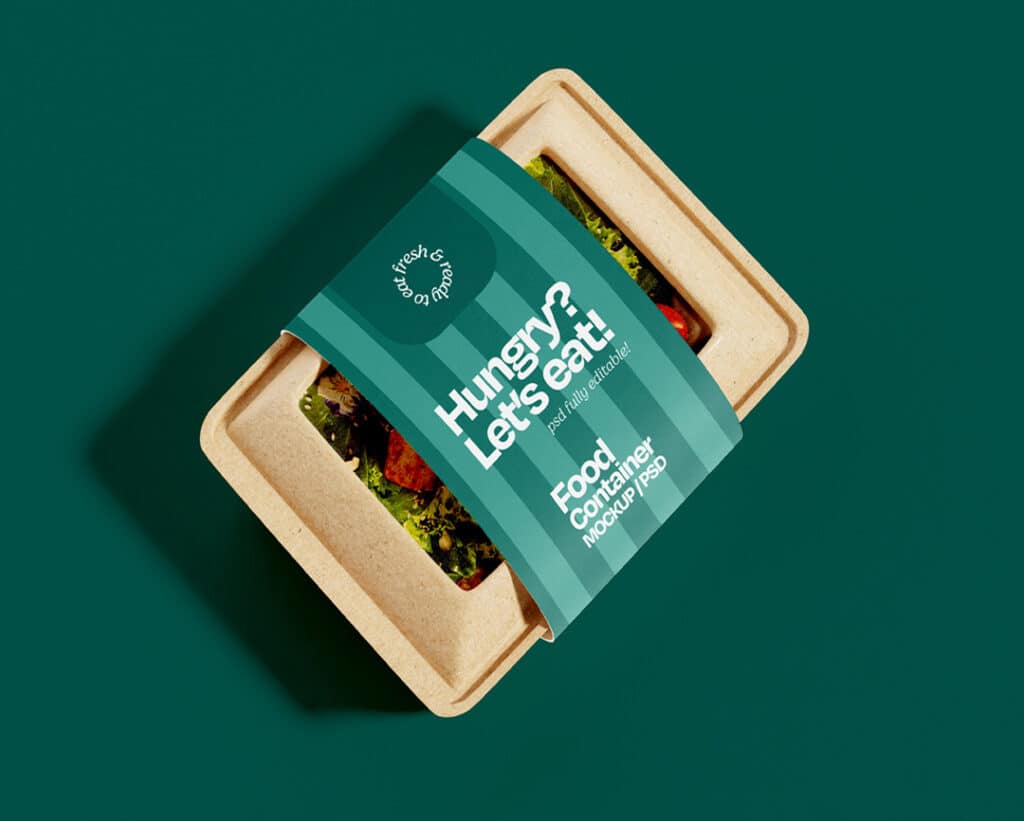
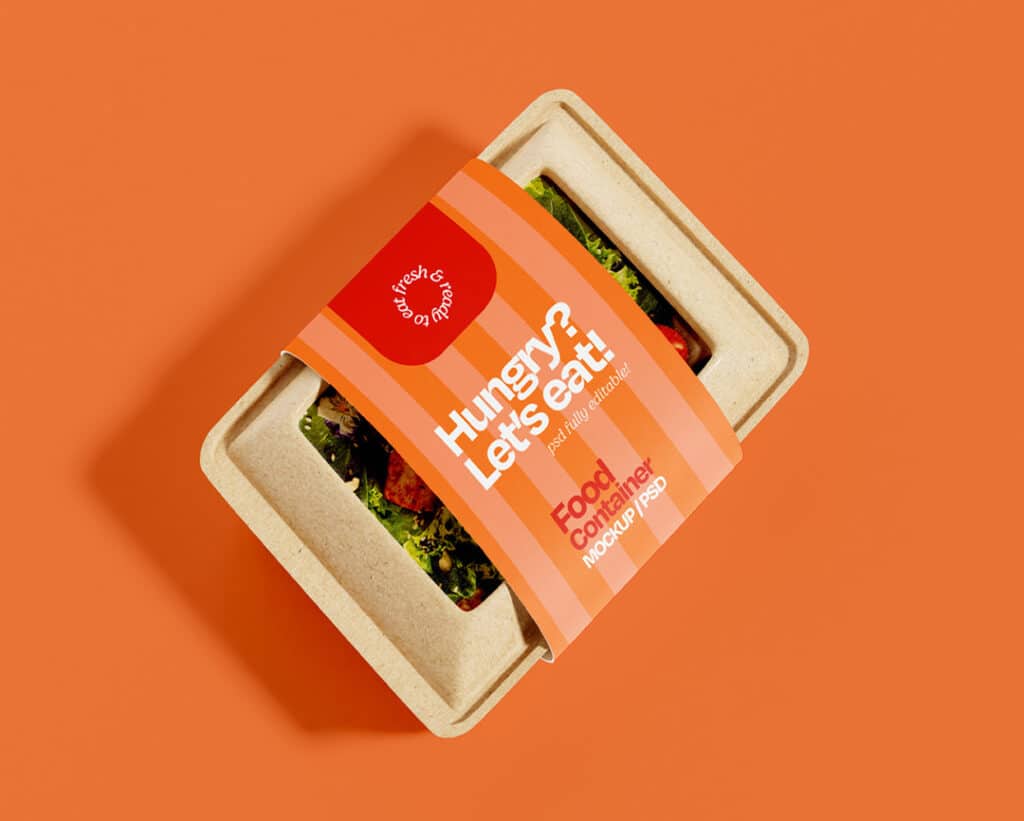
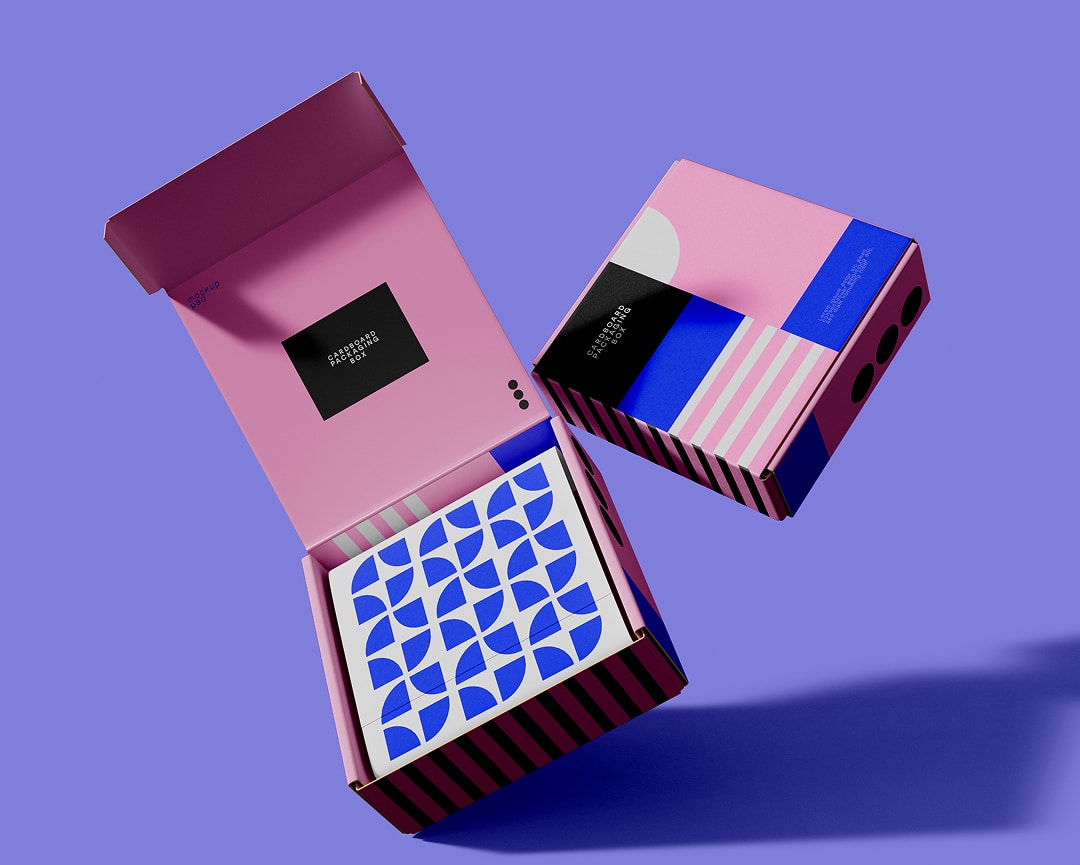
A sleeve is a band or wrapper that slides over a product or an inner box.
It’s a cost-effective way to add branding without changing the inner packaging. Custom printed sleeves work well for multi-packs, gift sets, or when you want to add a special seasonal touch to your standard inner box.
Wallet-style boxes
These fold around the product like a book or wallet. They work for flat items like stationery, cards, fabric samples, or thin packaged goods. The wrap-around design keeps your products secure without excess material.
Choosing the right packaging material for your brand
The material you choose affects how the box looks, feels, performs, and importantly, costs. There are two main decisions: the type of board and the weight.
Board types
Solid board (also called cartonboard or folding boxboard) is smooth on both sides and takes print beautifully. It’s what you see on most retail packaging. It’s lighter than corrugated board material and gives a premium finish. However, it won’t survive rough handling during shipping without some extra protection.
Corrugated boxes have an almost wavy inner layer that adds cushioning and strength. These rigid boxes are the standard for shipping and mailing. But although print quality on corrugated is improving all the time, it can’t match the sharpness of solid board for detailed graphics and intricate printed packaging designs.
Board weight to create custom packaging
Board weight is measured in gsm (grams per square metre). Higher gsm means thicker, sturdier card. For context:
- 300gsm is typical for lightweight retail boxes (cosmetics, small food items)
- 350-400gsm suits most standard retail packaging
- 450gsm and above is used for premium or heavy products
Your packaging supplier should be able to recommend the right weight for your product. If you’re not sure, ask for samples in different weights so you can actually feel the difference before committing. This will help make your packaging perfect for your product.
Print and finish options
This is where your packaging goes from functional to fun. The print method and finish you choose affect both the look and costs of your packaging.
Print methods
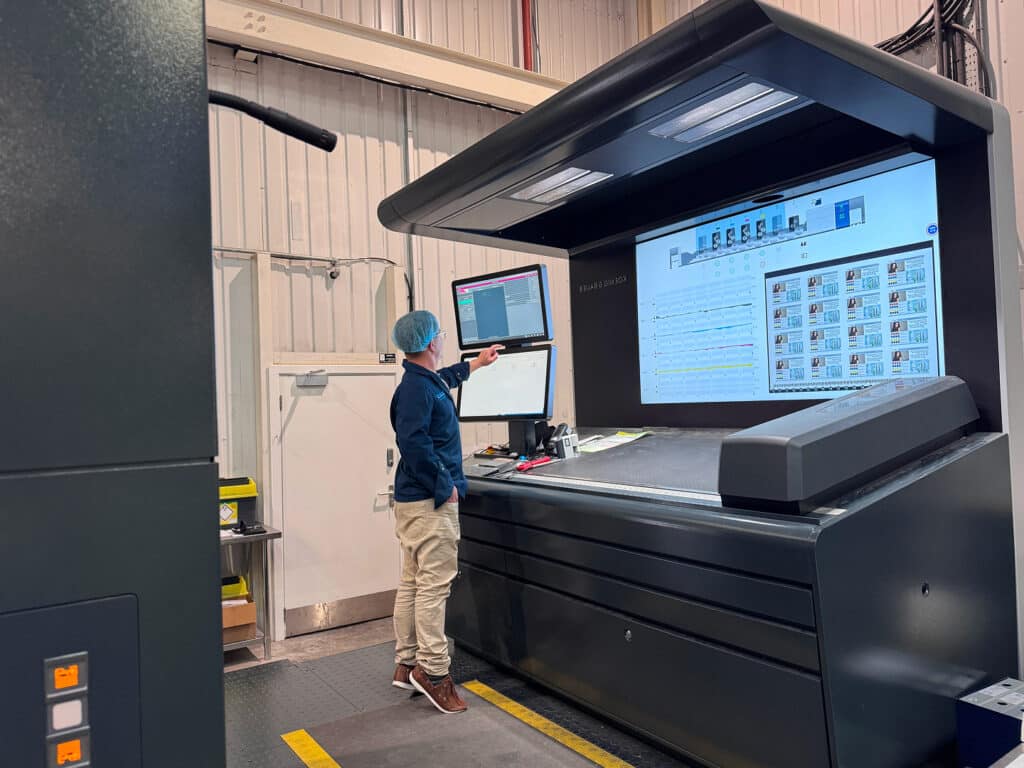
Digital print works well for short runs and designs with lots of colours or photographic images. There are no plate charges, so setup costs are lower. Perfect for small quantities, when you change designs frequently, or when you’re testing which packaging works better.
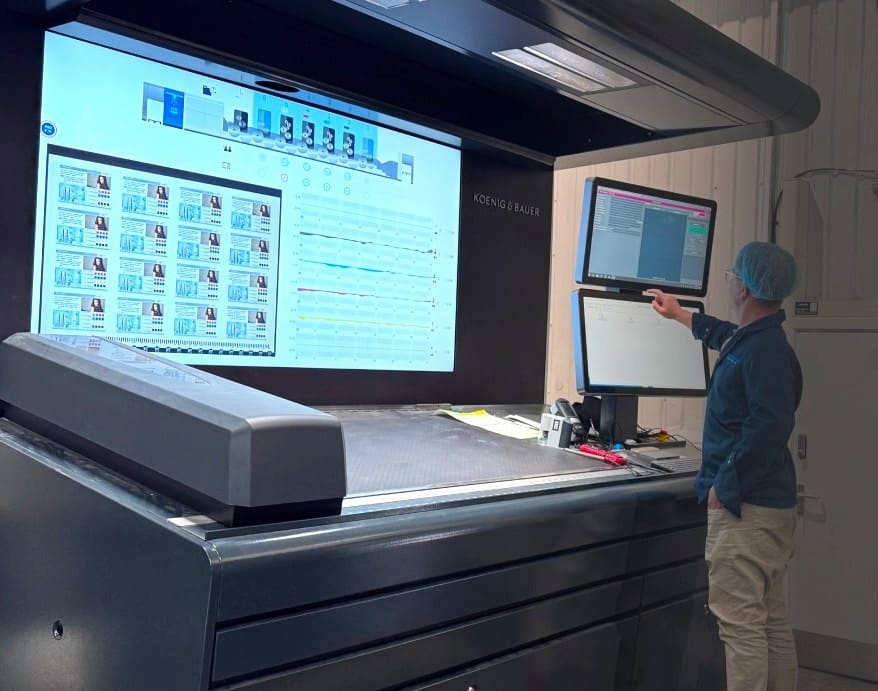
Litho (lithographic) print produces sharper results on solid board and is more cost-effective at higher quantities. It involves creating printing plates, so there’s a setup cost once you’re ordering larger runs.
Finishing touches
Finishes add texture and visual impact to your packaging.
Some finishing touches include: matt lamination, gloss, lamination, Spot UV, embossing, debossing, and foiling.
Not every product needs every finish. It really depends on who your brand is. A simple one-colour print on kraft card looks brilliant for artisan food brands. Full colour litho with spot UV suits premium cosmetics. Match the finish to your brand.
You’ve got a special brand, sell that with unique packaging.
Getting the sizing right for custom boxes
Sizing mistakes are common and costly. A box that’s too big wastes material and lets the product rattle around. A box that’s too tight won’t close properly or damage the product when you try to fit it in.
Measure your product carefully. Include any labels, lids, or caps that add to the dimensions. Then add a small clearance, usually 2-3mm on each side, so the product slides in and out without force. Not adding clearance can make your box too tight, risking making your product inaccessible for individuals with motor difficulties.
Don’t forget to account for space if you’re including inserts, tissue paper, or cards inside the box.
As packaging experts, your supplier is there to guide you to create custom packaging that meets all your packaging requirements while promoting your brand. They are there for you. So make sure you use them whenever you have a question or a concern.
Minimum orders and quantities packaging guides
Minimum order quantities vary enormously between suppliers. Some require you to order 500 or 1,000 units before they’ll start production. Others have no minimum at all.
If you’re launching a new product, testing a design, or running a small business with limited storage, high minimums are a problem. You don’t want 2,000 boxes sitting in your spare room when you’re not yet sure the design is right or if you have the demand for the product yet.
Look for suppliers that offer genuine small-run flexibility. Being able to order 25 or 50 boxes to test lets you refine your packaging before scaling up. Per-unit costs will be higher at small quantities, but the savings from avoiding mistakes and wasted stock more than make up for it.
For custom packaging and bespoke packaging solutions – Contact Custom Pack Studio
If you’re looking for a custom packaging supplier for your small business, Custom Pack Studio is here for you. We offer custom boxes and paper bags that will protect your products and show off your brand.
Our team of packaging professionals are here with you every stage of your journey. From helping design to printing your packaging boxes. And with no minimum order, we are here to grow with you. Whenever you have a question or your business needs change, we’re here to help.
For more information on our services, contact our friendly team today by reaching out on 01294 314919.