



Custom packaging sounds expensive. That’s the assumption most small businesses start with. And it can be, if you order thousands of foil-embossed rigid boxes before you’ve sold a single product. But for most businesses, the cost of custom packaging is far more accessible than people expect.
Here’s what actually affects the price, and how to get packaging that works for your brand without overspending and breaking the bank.
What affects the cost of custom packaging products in the UK – Advice by Glasgow Custom Packaging Experts
Before we get started, we need to let you know that there’s no single answer to “how much does a custom box cost?”. This is because the price depends on several variables working together. Change one factor and the whole price shifts. The main factors are:
- Box style and dimensions
- Material type and thickness
- Order quantity
- Print method
- Finishing (lamination, foiling, embossing)
- Design (whether you provide artwork or need help)
Understanding each of these helps you make decisions that control the cost of your packaging solutions rather than being surprised by it.
Per-unit pricing at different quantities
This is the factor that catches most people out. Custom packaging has a sliding price scale: the more you order, the cheaper each unit becomes.
At very small quantities (1 to 25 boxes), the per-unit cost is highest because setup and production time are spread across fewer items. You might pay several pounds per box. At 100 units, the per-unit cost drops noticeably. By 500 to 1,000 units, it drops again. Doubling your order from 1,000 to 2,000 boxes can save 10 to 15% per unit.
But this doesn’t mean you should order more custom printed boxes than you need.
Ordering 2,000 boxes to save 50p each only makes sense if you are going to use them. For businesses launching a new product or testing a design, ordering a smaller quantity at a higher per-unit cost is the smarter move. Once you know your product is successful, you can always reorder at a better rate. This stops you typing up money in packaging that sits unused, takes up valuable storage space, and adds unnecessary pressure while you’re still working out the finer details.
Not all suppliers accept orders below 250 or 500 units. And others have no minimum at all, letting you order 10 or 25 boxes for testing.
Flexibility matters for small businesses and new product launch, so always choose a supplier who is ready to adapt however your business changes.
Box style cost comparison to help you choose your custom boxes
Choosing the custom packaging box can sometimes be one of the hardest, yet most important decisions for small businesses.
Different box styles cost different amounts to produce, mainly because of the complexity of the die (the cutting tool) and the amount of cardboard used.
Although it also depends on the size and dimensions of your packaging boxes, here is a rough guide on their different costs.
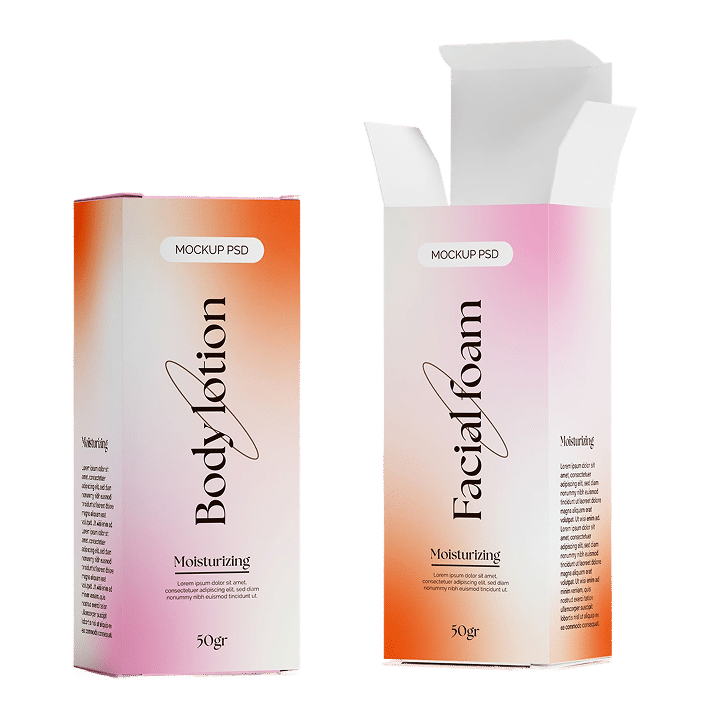
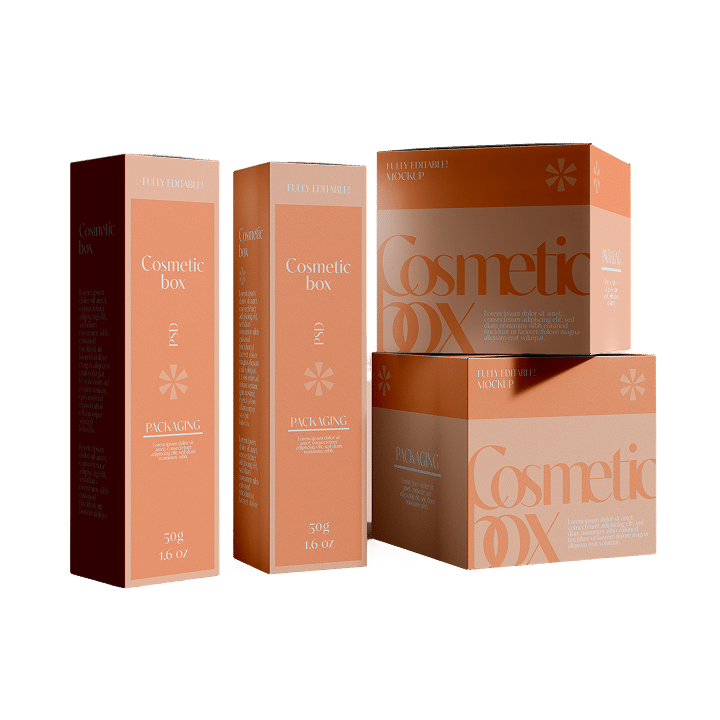
Tuck-end carton boxes
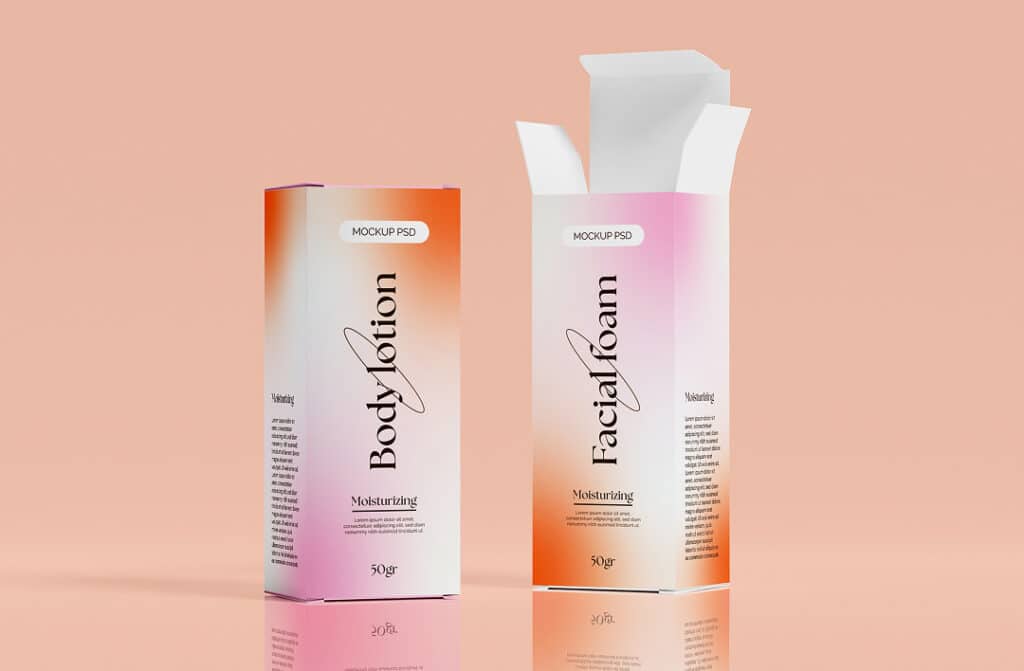
One of the most affordable styles for retail packaging. Simple construction, minimal card waste, and straightforward dies. Tuck-end cartons are the go-to for cosmetics, food packaging, and smaller consumer products. And at moderate quantities, they’re your most cost-effective option.
Crash-lock boxes
These are slightly more expensive than tuck-end because the self-locking base mechanism uses more card and a more complex die. But an advantage is they save time during packing. Perfect for if you’re filling boxes by hand. The extra cost can pay for itself in labour savings.
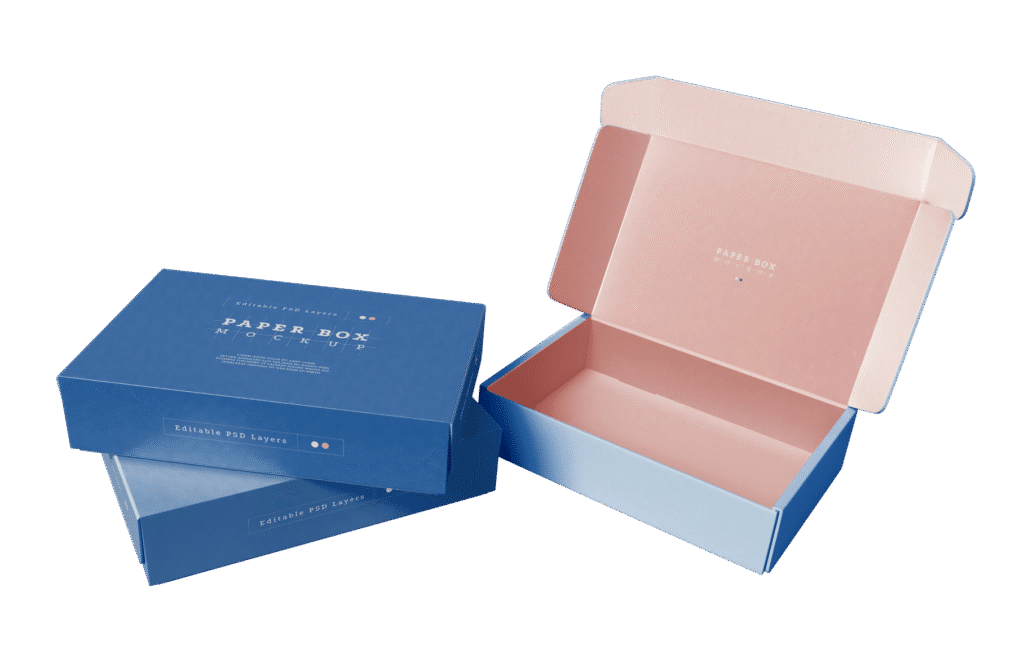
Mailer boxes
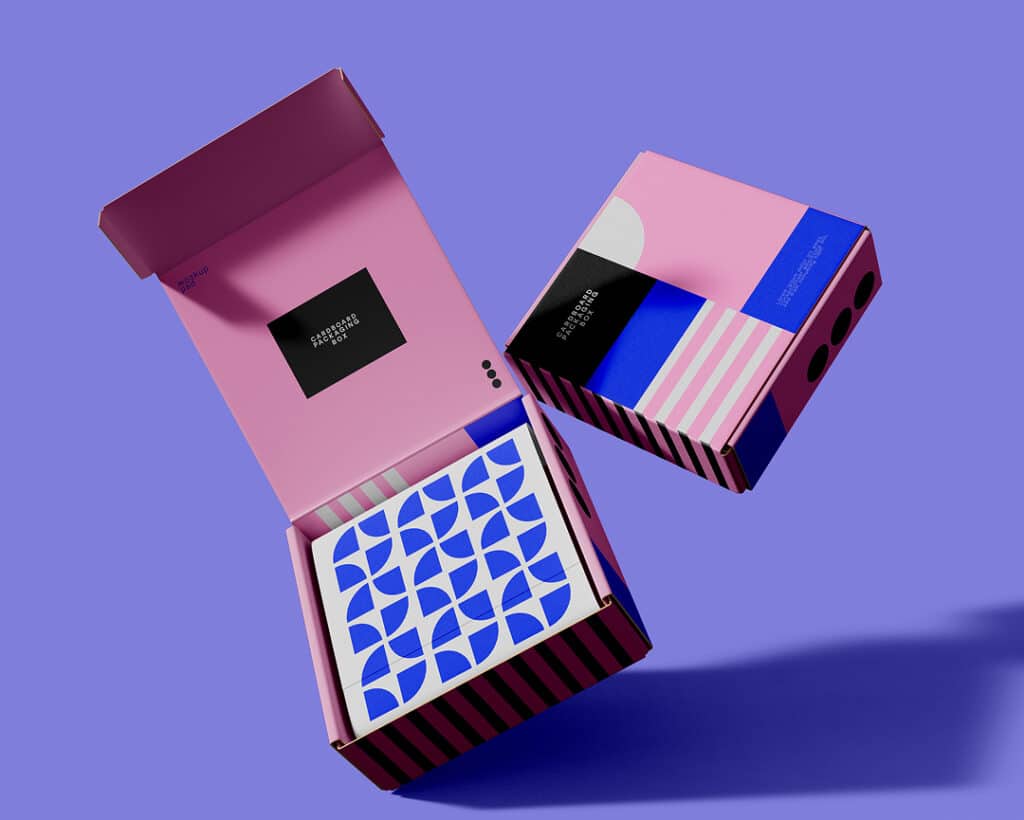
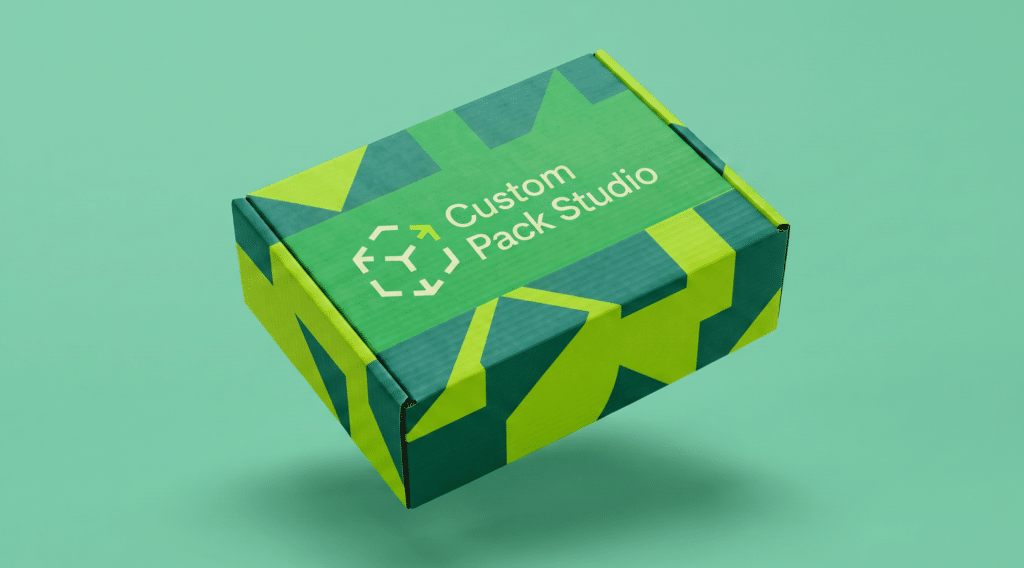
Corrugated mailing boxes tend to cost more per unit than paperboard parcel boxes because corrugated board is thicker and heavier. They’re designed for shipping and transit, so they’re built to take a battering.
If your product ships directly to customers, the mailer box is both your shipping container and your branding surface, which means you only need one box instead of two. This can save you money on two packaging solutions, while helping to leave a lasting impression on your customers as soon as it arrives through the post.
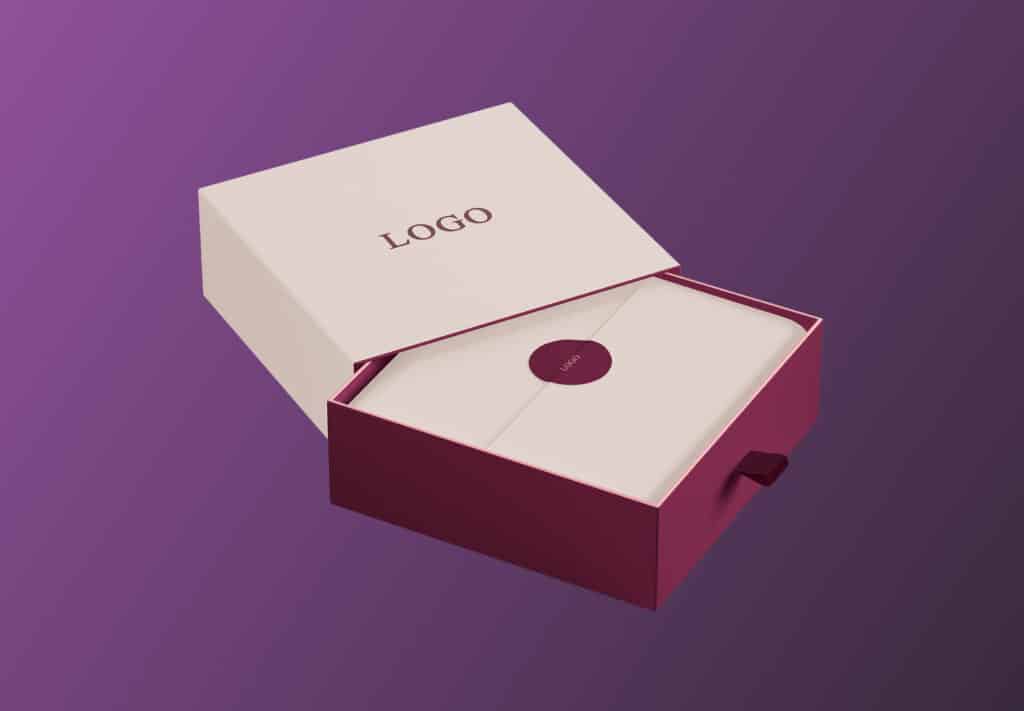
Rigid boxes
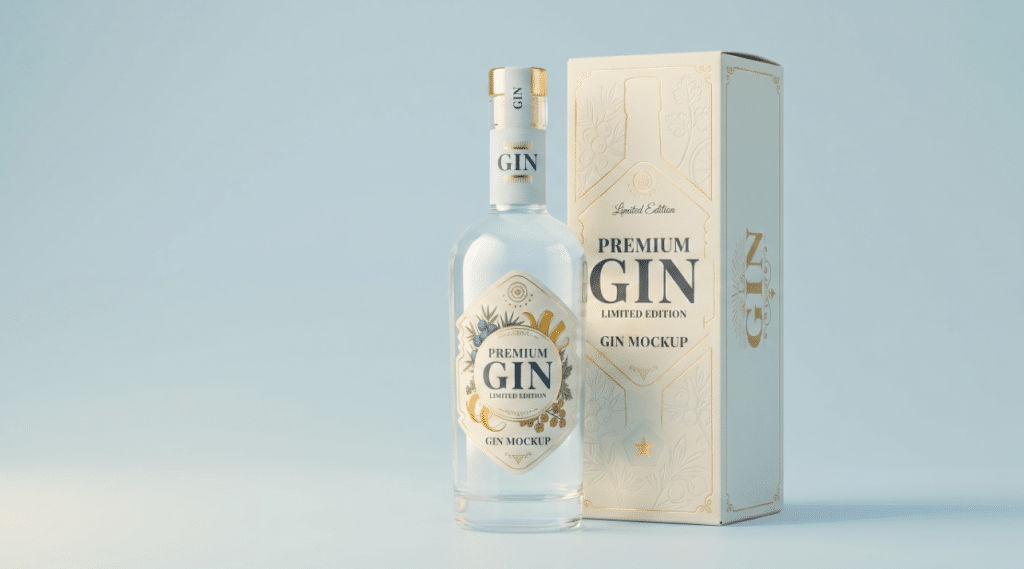
These are the premium option. Thick, sturdy, and luxurious. Think for perfume bottles or high-end electronics packaging.
They do cost significantly more than folding cartons. This is because the construction involves wrapping printed paper around a rigid board core.
But if your product positioning demands it, the cost is justified. And if not, you can always go with a well-printed folding carton with a good finish. This gives a premium feel at a fraction of the cost.
Print and finishing costs that enhance your brand
How your box is printed has a direct impact on cost. More colours, more coverage, and fancier finishes all add up to a higher price.
Digital printing
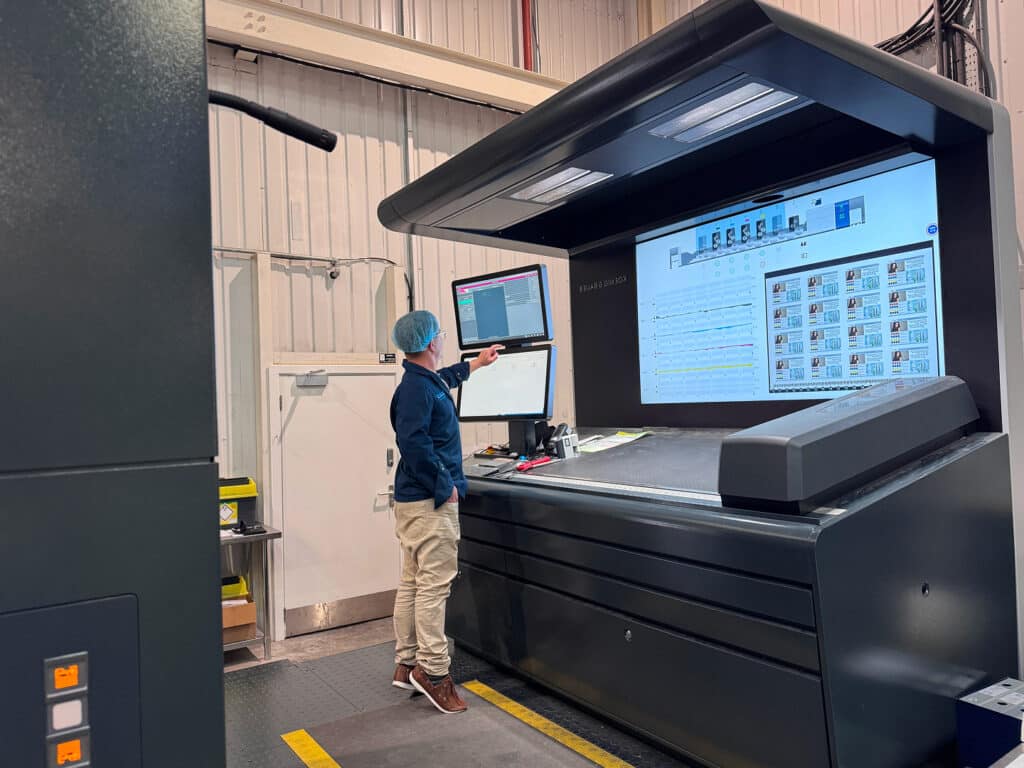
Digital printing has no plate charges, so there’s no setup fee per colour. You pay for the print itself, making digital the most cost-effective method for short runs. It handles full-colour designs, photographic images, and complex graphics without extra charges per colour.
The trade-off is that digital print on some card stocks isn’t quite as sharp as litho, and colours can vary slightly between runs. But for most small business applications, the difference is tiny.
Litho printing
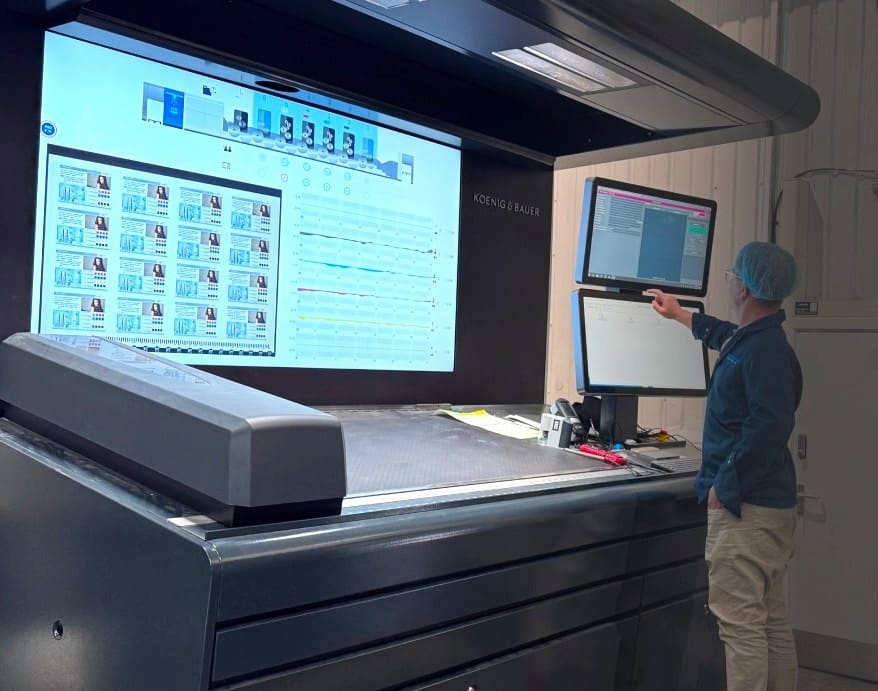
Litho (lithographic) printing produces sharper, more consistent results. But it requires printing plates, which means a setup cost for each colour used. This setup cost makes litho expensive for small orders. But at higher quantities (typically over 1000), the setup cost spreads across more units and litho becomes the better-value option.
Finishing options and their costs
It isn’t just the boxes that add costs, finishes impact the price too.
- Matt or gloss lamination is the most common and affordable finish. It protects the print and adds a tactile quality to the outer packaging. Luckily, most packaging includes lamination as standard or near-standard.
- Spot UV adds a glossy coating to selected areas of the design, making it a good choice for branded logos. It costs more than all-over lamination because it needs an extra print pass with precise alignment.
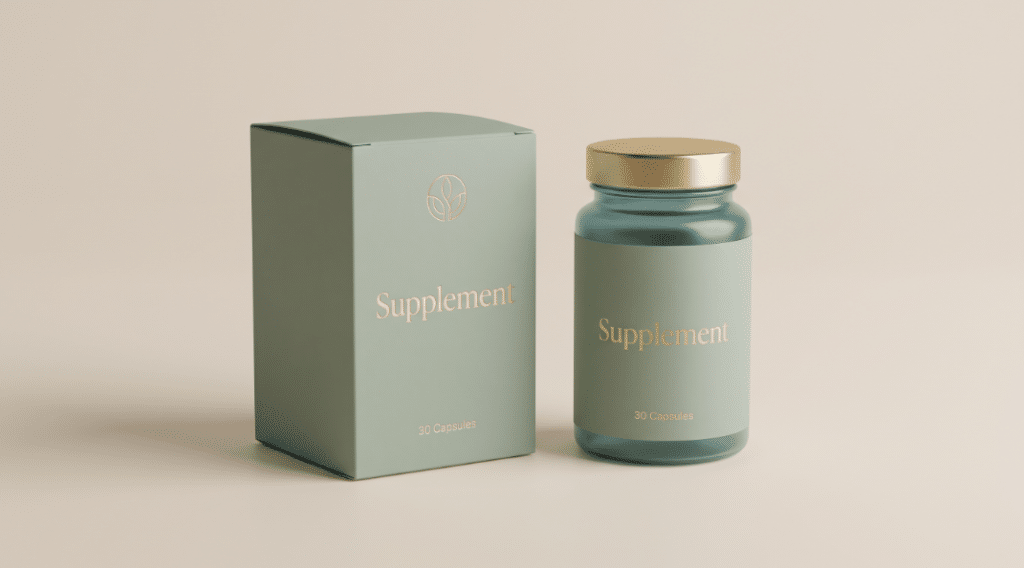
- Foiling (gold, silver, or metallic effects) is a premium design addition. It’s a separate process using metallic foils pressed onto the card, which explains its higher price.
- Embossing or debossing (raised or pressed designs) adds a tactile element to your printed packaging. It requires a custom tool and an extra production step, so it adds to cost. But for premium products, this cost can be justified.
Not every product needs a fancy finish. Lamination is usually worth the cost for protection alone. Foiling and embossing are for products where the premium feel justifies the premium price.
Your chosen packaging supplier should help recommend finishing options which align with your brand and product needs.
Design costs of branded packaging
The design cost depends on who does it and how complex the packaging is.
DIY design
If you have design skills and software, you can design your own artwork onto a supplier-provided dieline.
The only cost is your time and maybe the price of the software.
Thankfully, some suppliers offer free online design tools where you can place your logo and graphics onto a template without specialist software. This makes the process simple, quick, and intuitive to do, even for novice designers.
Supplier design support
Many packaging suppliers offer design help as part of their service. The cost ranges from nothing (for free advice) to a few hundred pounds for creating artwork from scratch.
Professional design agency
Hiring a specialist packaging designer or agency costs more but should gives you a polished, professional result.
Expect to pay anywhere from £200 to £500 for a simple label or sticker design, £500 to £1,500 for paper bags or standard retail packaging with custom graphics, and upwards of £1,500 for complex multi-product ranges or luxury packaging.
For most small businesses, supplier-provided design support is usually the most cost-effective route to personalise your packaging.
Hidden costs to watch for with custom printed boxes
Some costs catch buyers off guard.
Keep a look out for setup fees, revision fees, sample charges, and delivery charges.
Ask your supplier for a complete quote that includes all costs, not just the per-unit box price. A slightly higher box price from a supplier who includes tooling, delivery, and design support can be better value overall than a lower quote with extras piling up.
Getting premium value without spending too much
Custom packaging doesn’t have to be expensive. But it has to be right.
A well-designed box in the correct material, ordered at the right quantity, delivers much more at better value than either overspecified luxury packaging,
Why you should consider Custom Pack Studio
At Custom Pack Studio, we specialise in custom boxes for small businesses. And with a team on standby for design support, we can help you to create the perfect packaging solution without breaking bank and paying separately for a designer and a manufacturer.
As a business ourselves, we understand that things change, sometimes seasonally, sometimes unexpectedly. That’s exactly why we operate (and always will) on a strict no minimum order policy. You can order the exact number of boxes you need, and not one more. That means no wasted space, and no money tied up in packaging you don’t need.
And if things change? We change with you. We’re always happy to adapt our processes to suit your business and grow alongside you as you scale.
For no minimum orders, consistent support, high-quality custom boxes, and a packaging partner that grows with you (not against you), contact our team today on 01294 314919.