

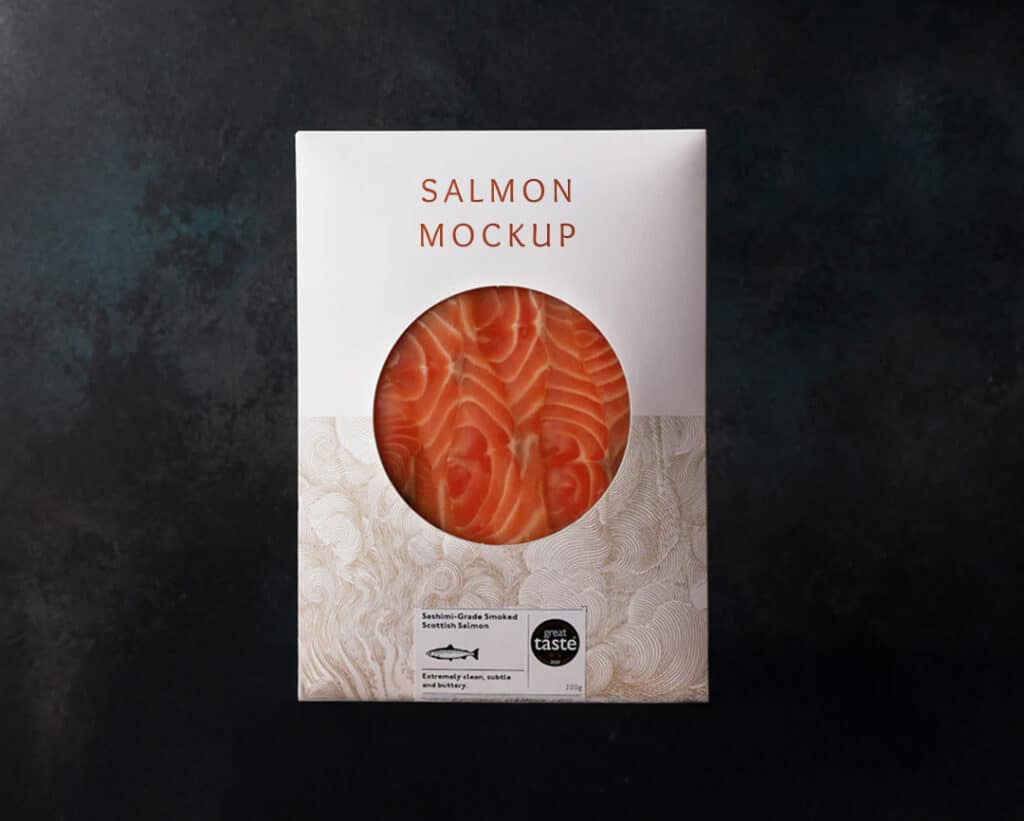
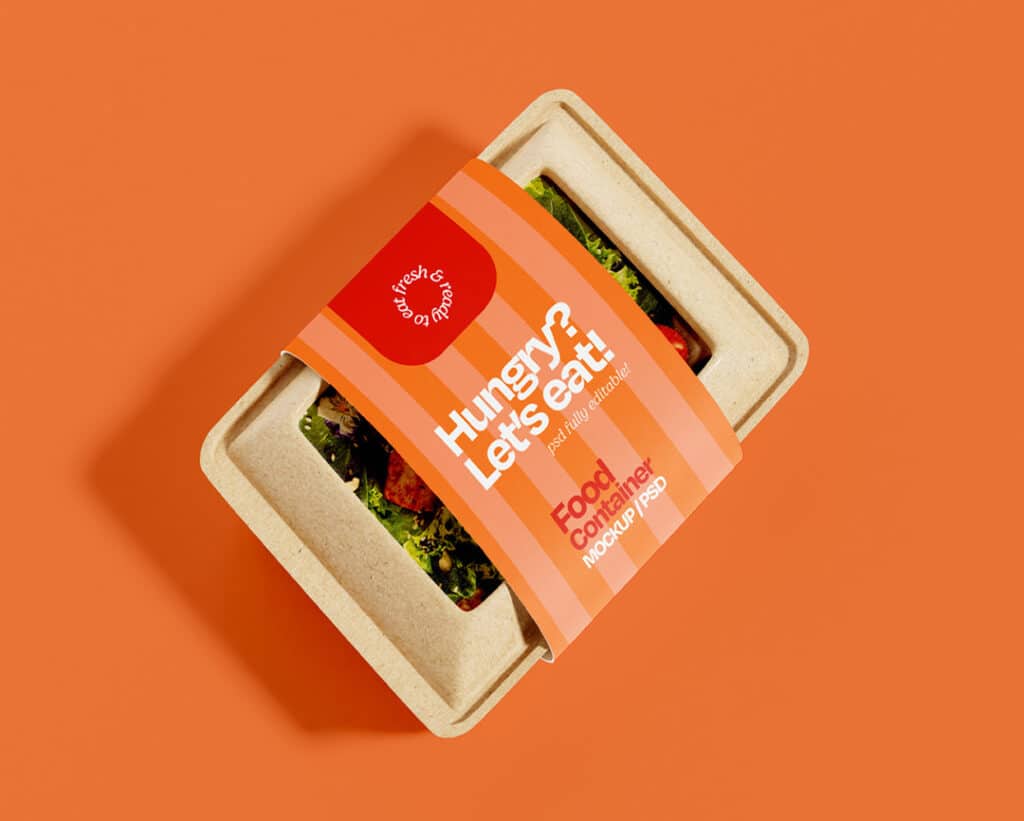
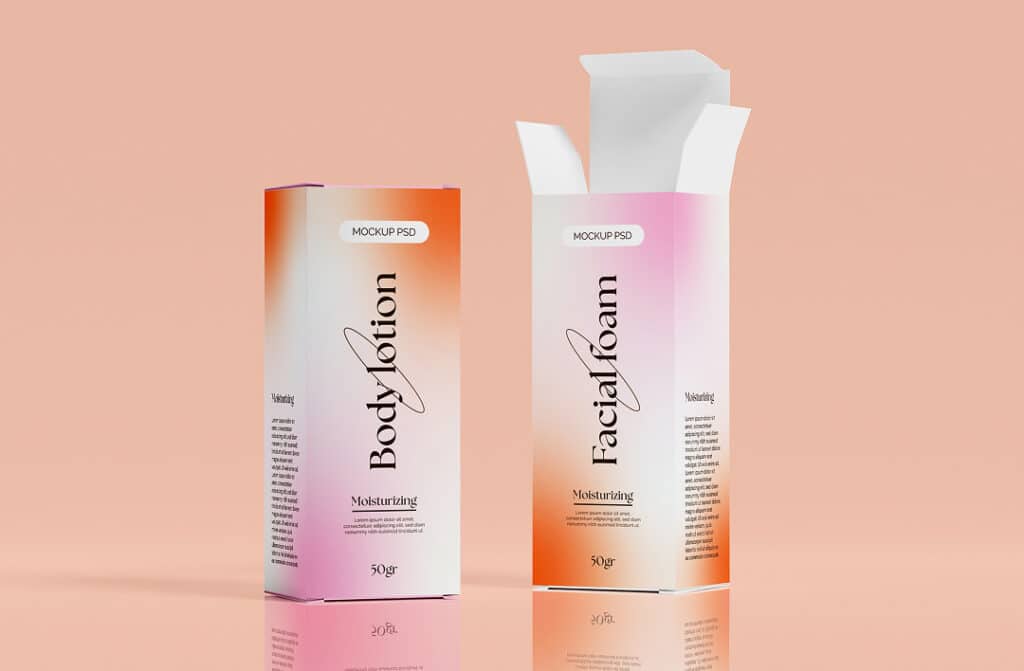
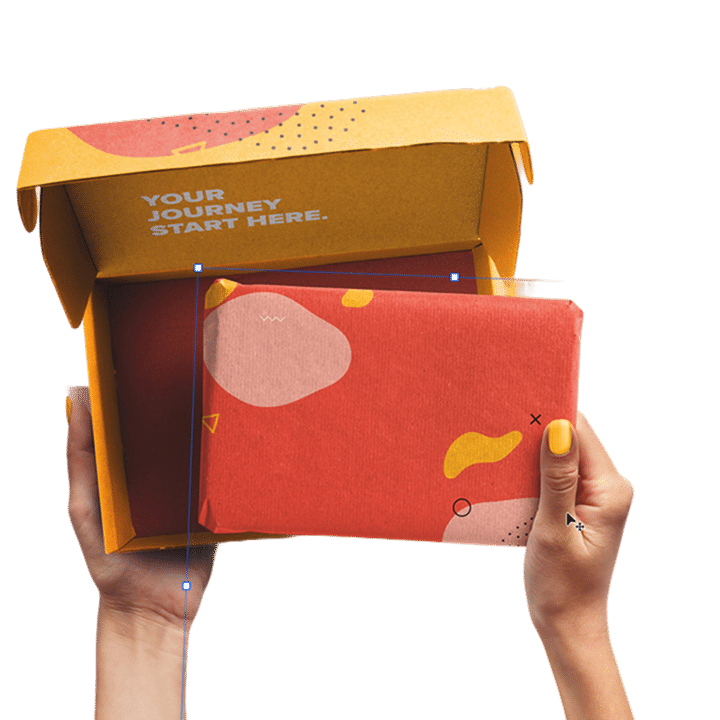

Got a product that needs proper packaging? Custom Pack Studio is here to help.
Here is our guide on how to get the right packaging for your product, written by our packaging supplier experts.
Start with the job the pack must do
Product packaging may present an item on a retail shelf or protect an online order in transit.
Decide which requirement matters most before discussing finishes or print.
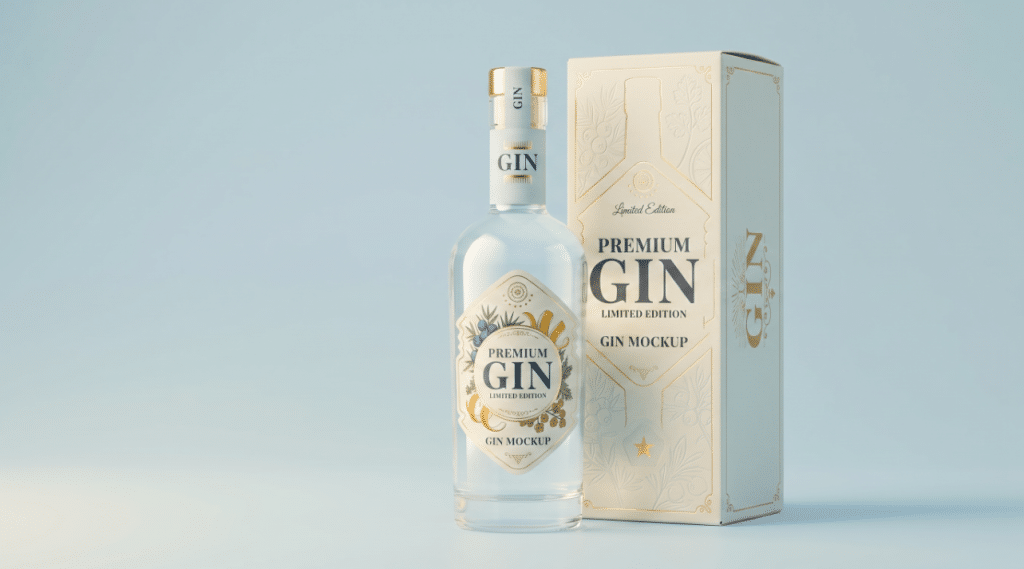
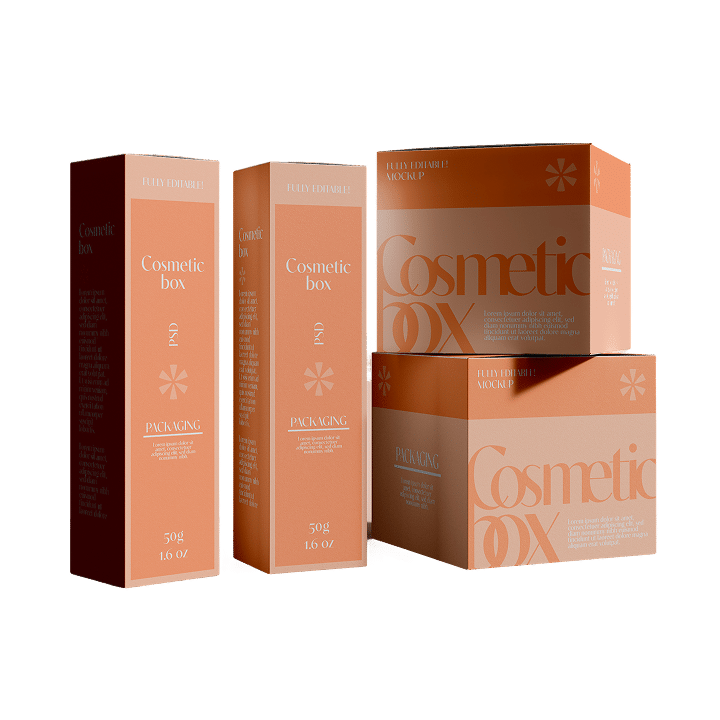
Retail-ready packaging must help a shopper identify the product and variant at a useful viewing distance. It also needs space for the information required in that category.
An e-commerce pack faces a different test because it passes through a delivery network. Product safety and fit take priority over shelf display.
Some products need two layers.
A printed carton can present the item, while a corrugated outer box handles the shipment.
Using the retail carton as a postal pack without testing it can lead to crushed corners or a damaged surface.
Record the packaging needs in a short brief that states where the pack will be seen and how it will be handled, and describe how the customer should open it. Those details are more useful than a vague request for a custom package.
Measure the product and identify the risks
Measure the widest points of the product and record its packed weight.
Don’t forget to factor in every component that will sit inside the box, as an insert changes the usable space, as does an inner pouch or folded leaflet.
A made-to-measure box should hold the product without forcing it into place.
Too much spare room allows movement and often leads to extra bubble wrap or other void fill. Too little room can put pressure on closures and weak points.
Glass needs cushioning and separation from the outer wall. Liquid products usually need to stay upright, with enough strength around the base.
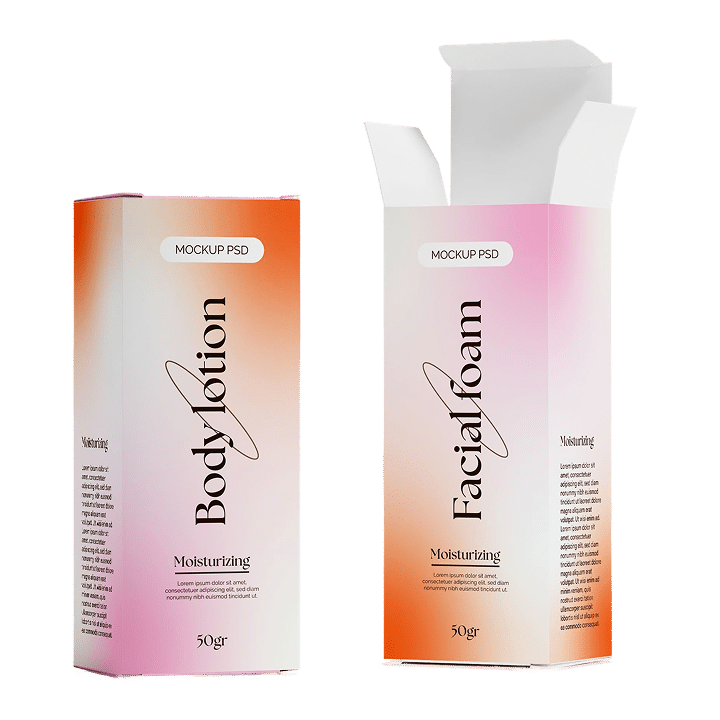
Body care packaging may need room for ingredient information and batch details.
Send photographs with a ruler in view when dimensions are hard to explain.
For an unusual shape, the packaging company may ask for the physical product, so don’t be surprised if this is asked when you are looking for a supplier.
Choose materials by protection and disposal route
A packaging material must suit the product and the way it will travel.
Match the board to product weight and transit
Folding carton board works for many light retail products because it prints cleanly and arrives flat.
While corrugated cardboard uses a fluted middle layer to add strength, which makes it a common choice for postal packaging.
Environmental evidence
Avoid assuming that one material is environmentally preferable without checking its source and disposal route.
Custom Pack Studio uses 100% recyclable materials from FSC and PEFC certified sources. Our team will always be happy to explain our production process and the end-of-life cycle for your packaging.
A supplier who avoids these open conversations should be avoided.
Stock box or custom packaging?
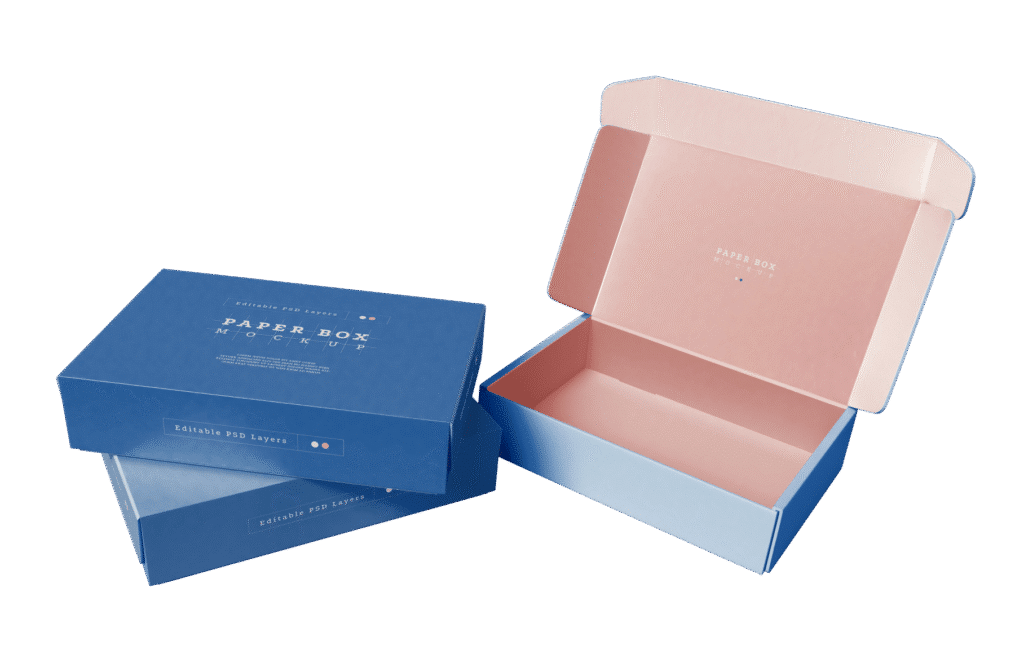
Stock cardboard boxes suit dispatch work where exact fit and printed branding are less important. They come in fixed sizes and can be paired with a label or printed tape.
Custom packaging makes more sense when the box must follow the product dimensions or present the brand in a controlled way.
A close fit can reduce void fill and parcel volume, helping reduce waste.
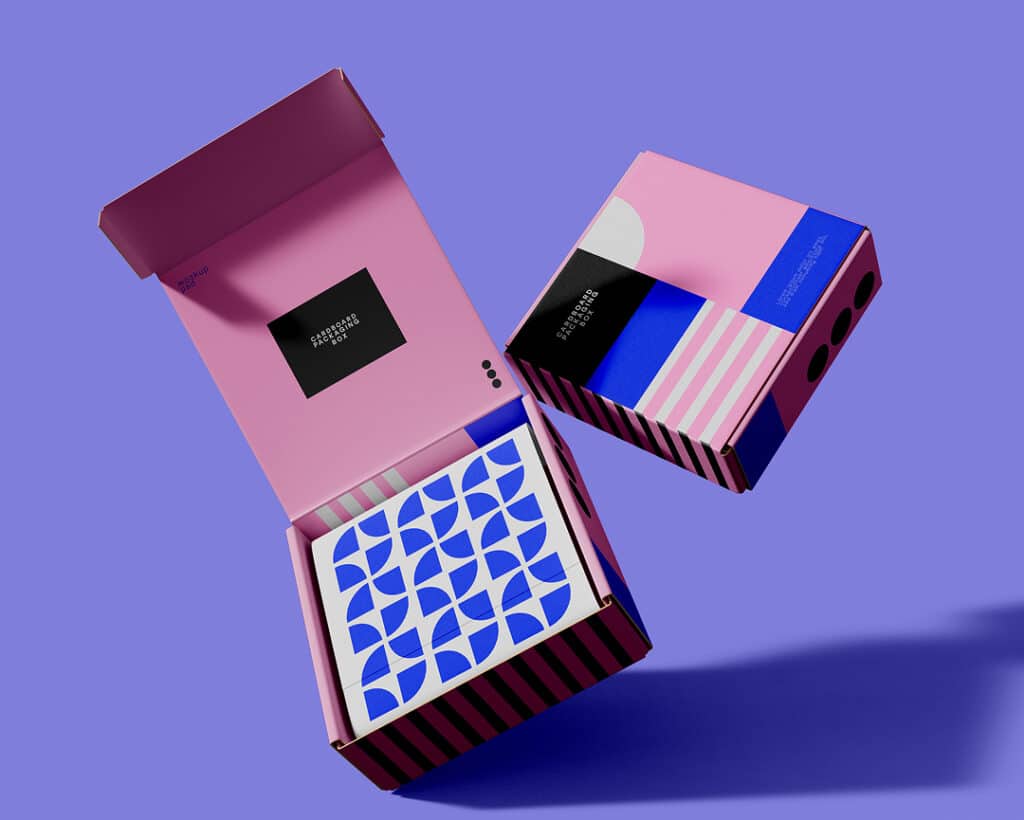
A custom pack can change the structure as well as the print.
Agree the size and opening method first, then place the artwork on the final cutting guide. Ask about the minimum order before choosing a packaging company.
Custom Pack Studio has no minimum order, so a new product can begin with one sample rather than unused stock or taking up space in your facility.
From artwork to a physical prototype
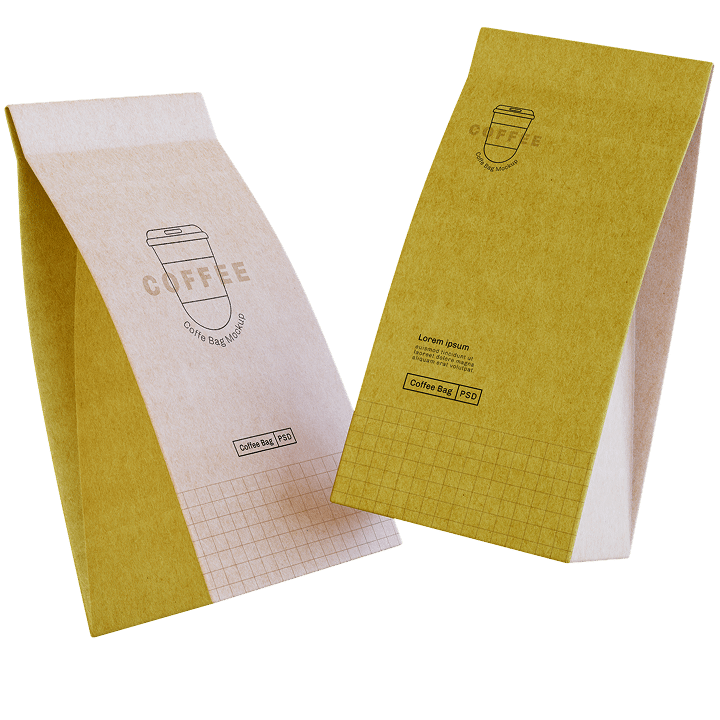
Your logo is only one part of the pack. Type must remain legible after printing, and brand colours may appear different on kraft paper or uncoated board.
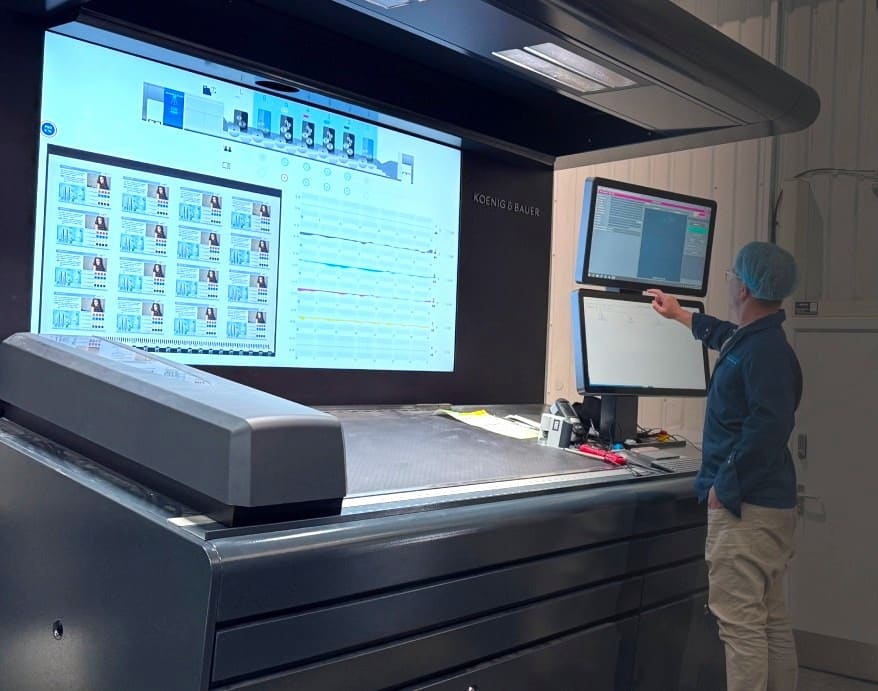
Judge the physical result rather than relying on a screen. It is one of the reasons we provide a free sample before you commit to a full run, so we can fine tune any adaptations and you can test the sample.
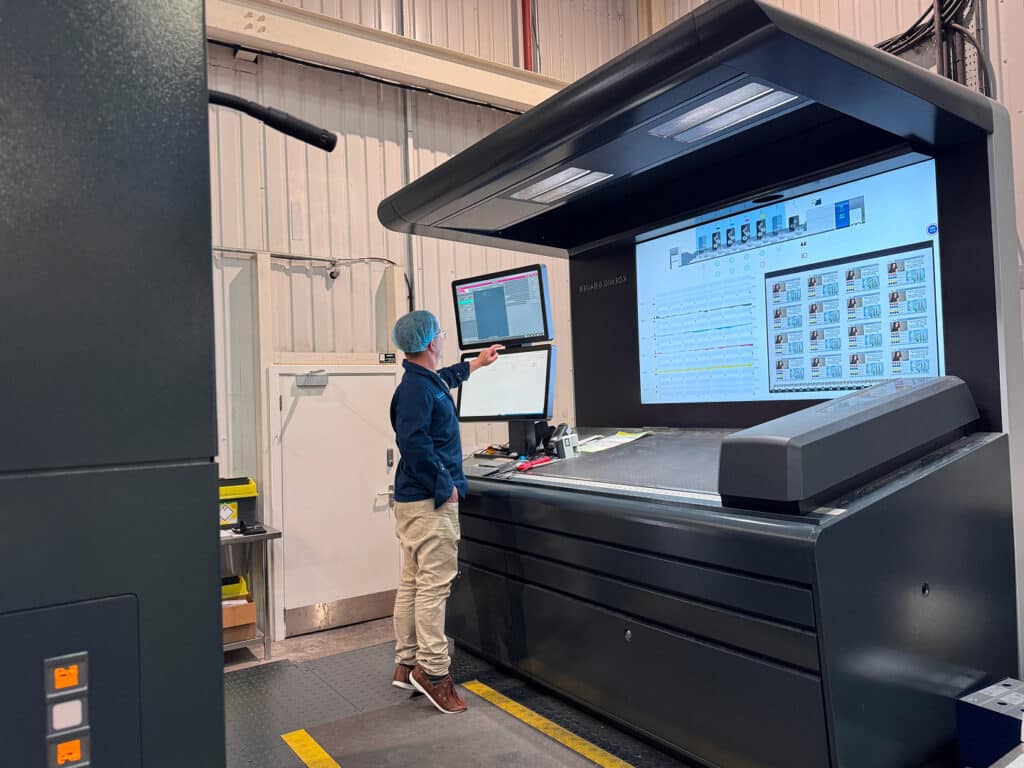
Die-cutting creates the cut and crease lines that form the pack. Artwork is placed on a cutting guide before production so the printer knows where each panel begins.
Keep small text away from folds and allow for any insert that changes the internal space.
Choose gloss only when its colour depth or surface protection helps the product. The finish also changes the look and feel. A product does not need several effects to look high-end, and the final design must remain practical to pack.
What should you ask a packaging supplier?
Show the supplier your product brief and ask which material options fit it.
The answer should explain the trade-offs rather than direct you to the most expensive format.
Ask whether structural design and printing are handled in-house, and find out who provides customer support during proof changes.
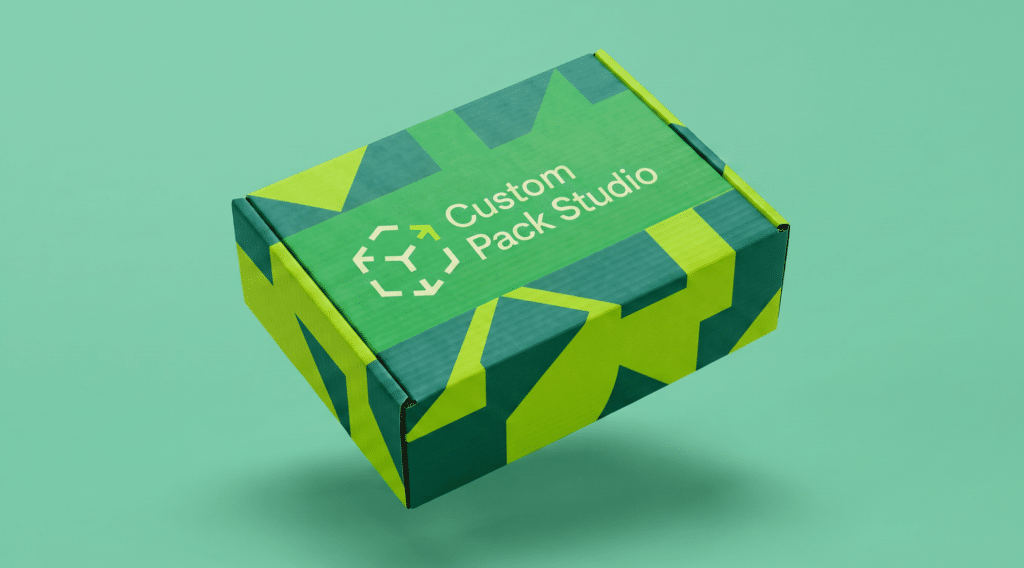
Finished examples can show whether the team has produced a similar structure, although a photograph does not prove that your product will fit.
Request a sample and a written specification.
The quote should identify the size and quantity, with the material and print method recorded separately. Delivery charges and the expected date should also be clear.
Custom Pack Studio manufactures in Irvine, Scotland, and delivers across the UK with an average turnaround of two weeks.
Preparing the pack for production
Send the product dimensions and packed weight to the supplier, and state the expected quantity.
Explain where the pack will be sold and how it will travel, then add the date you need it. Attach any artwork files or existing brand guidelines.
The next stage is a structure recommendation and quote. Once the design direction is agreed, review the proof and test a physical sample before production.
Questions about getting packaging for a product
Can I create my own product packaging?
Yes. You can prepare the design ideas and artwork yourself, then ask a packaging specialist to check the file against the cutting guide. Structural advice is still useful because the box has to fit and protect the real product.
Can I get free packaging supplies?
Some carriers provide limited shipping supplies for use with their services, but branded or made-to-measure packaging normally has a production cost. A paid sample can prevent a much larger loss caused by ordering the wrong size.
What are the main types of product packaging?
Primary packaging touches or contains the product. Secondary packaging groups or presents it, while transit packaging protects it during distribution. A single pack can sometimes perform more than one of those roles.
Do I need a professional packaging designer?
Work with a professional when the structure is unusual or the product carries regulated information. Straightforward packs can use an online tool, provided the final file is checked before production.
Talk t0 Custom Pack Studio today
If your product needs packaging or you are looking to switch packaging suppliers, Custom Pack Studio is the trusted supplier for you.
Send your product details to Custom Pack Studio through our contact page for a free quote. Order one pack and test it before deciding on the next quantity.