


Child resistant packaging is there for a reason. It is specially designed to keep children safe from harm.
If you manufacture, import, or sell products that could harm a child, you need to understand what child resistant packaging is, when it is legally required, and how to get it right.
Although we may not manufacture child-resistant packaging ourselves, we do produce the secondary packaging that helps protect these products and supports safe distribution.
This guide covers everything from the UK regulations and testing standards to the different types of CR packaging available, helping you to make informed decisions about how your products are packaged.
What is child resistant packaging? – Information from supplement packaging experts
Child resistant packaging is designed to be difficult for children under the age of five (52 months, to be precise) to open, while still being accessible for adults.
The World Health Organisation described it in 2008 as “one of the best-documented successes” in preventing child poisoning, and the evidence backs that up.
Accidental ingestion rates in the UK dropped significantly after CR packaging became mandatory for certain products. The use of child-resistant packaging has prevented countless cases of accidental poisoning from hazardous materials, harsh chemicals, and over-the-counter medications.
One thing worth clarifying. Child resistant does not mean child-proof packaging.
No package can guarantee that a determined child will never get in.
The goal is to delay access long enough for an adult to intervene. That is why the official term is “child resistant” rather than “child proof”, even though you will hear both used interchangeably.
CR packaging also needs to be adult accessible.
There is no point in packaging that protects children if the adults using the product cannot open it either, particularly older adults or people with reduced hand strength.
The testing standards reflect this balance, requiring that packaging passes both child prevention and adult accessibility criteria.
Which products need child resistant packaging in the UK?
Medicines and pharmaceuticals
Under the Human Medicines Regulations 2012 (Part 13, Chapter 2), certain medicines must be supplied in child resistant packaging.
The MHRA (Medicines and Healthcare products Regulatory Agency) oversees compliance and publishes detailed guidance on which products are in scope.
There are exceptions. For example, products where CR packaging would make the medicine inaccessible to the patient (some inhalers, for example) may not be child resistant.
Household chemicals and hazardous substances
If a product is toxic, corrosive, or harmful when swallowed, inhaled, or absorbed through the skin, it needs child resistant packaging and/or tactile danger warnings when supplied to the general public.
Think bleach, drain cleaners, oven cleaners, white spirit, and similar household chemicals.
The specific hazard classifications that trigger these requirements are set out in Annex II of the GB CLP Regulation. The Health and Safety Executive (HSE), which acts as the GB CLP Agency, publishes guidance on which classifications apply.
If a substance is classified as fatal or harmful when swallowed always check your regulation for your specific classification.
Tobacco and nicotine products
The Tobacco and Related Products Regulations 2016 (TRPR) require all nicotine-containing e-liquids and their packaging to be child-resistant and tamper evident.
This applies to refill containers and any product in which nicotine is present.
Supplements and nutraceuticals
Not all supplements require CR packaging by law, but some do.
Products containing iron at certain concentrations, for example, can be potentially harmful or even fatal to children and may need to be packaged in child resistant containers.
If your supplement contains ingredients that could be harmful to a child at the concentrations present in your product, it is worth checking whether CR packaging is required or at least recommended.
Even where it is not legally mandated, many supplement brands choose CR packaging as a precaution, particularly for products that look or taste like sweets to a child.
It is a sensible approach that protects both the consumer and your brand.
Pesticides and gardening chemicals
Weedkillers, insecticides, fungicides, and other garden chemicals frequently carry hazard classifications that trigger CR packaging requirements.
If the product is classified as harmful or toxic under CLP, child resistant closures are almost certainly required.
Types of child resistant packaging
Child resistant packaging falls into two broad categories: reclosable and non-reclosable.
The right type of packaging depends on how the product is used, how often it is opened, and the format of the content inside.
Reclosable child resistant packaging
Reclosable child resistant packaging systems are designed to be opened and resealed multiple times while the packaging remains child resistant after each use.
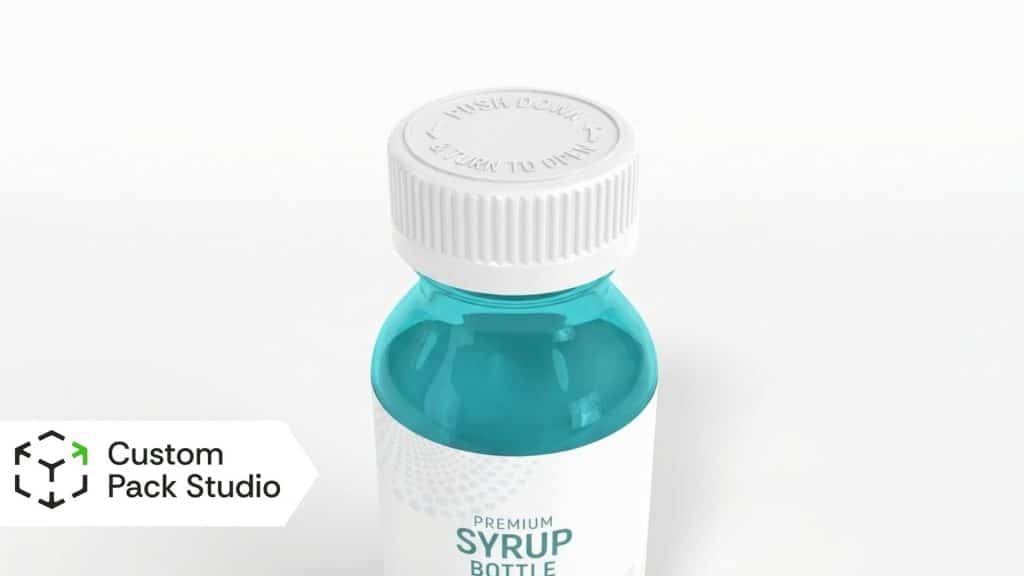
The most common types include push-and-turn caps, where you press down on the PP (polypropylene) cap while turning it to release the lock. Squeeze-and-turn closures work on a similar principle but require the sides of the cap to be compressed before turning.
All of these mechanisms work on the same principle.
Children under 52 months cannot perform two simultaneous actions (pressing and turning at the same time, for example), while adults can.
These are the CR mechanisms you will recognise from medicine bottles, bleach containers, and many household chemical products.
Interestingly, they were one of the first types of child resistant packaging introduced in the UK and remain the most widely used format for products that consumers open repeatedly.
Non-reclosable child resistant packaging
Non-reclosable CR packaging is designed for single-use or limited-use products.
Once opened, it cannot be resealed to the same child resistant standard.
Peel-and-push blister packs and strip packs are the most familiar examples. The user peels back a paper or aluminium foil layer and then pushes the tablet through the polymer tray backing.
This two-step process is simple for adults but difficult for young children, whose fine motor skills and finger strength are not developed enough to manage both actions.
Child resistant vs tamper evident packaging
These two terms get confused regularly, but they serve different purposes.
Child resistant packaging is designed to prevent children from accessing the contents and to ensure that hazardous materials stay out of reach.
Tamper evident packaging is designed to show whether someone has already opened the product, so the consumer knows if it has been interfered with.
Many products require both.
For example, medicines often combine CR closures with tamper evident seals. But they are separate requirements, and meeting one does not automatically satisfy the other.
Child-resistant packaging options and design
Developing child-resistant packaging that works means balancing several competing demands.
The packaging must prevent children from accessing the contents, work for adults (including older adults), protect the product inside, meet the relevant testing standard, and still look good on a shelf or in a customer’s hand.
Start with the product itself
What format is it in? Tablets, capsules, liquids, powders, and gummies all have different packaging needs.
Think about how often the product will be opened
If it is a daily supplement, the CR mechanism needs to be easy enough for repeated use without frustrating the consumer. If it is a single-use product, a non-reclosable format might be more appropriate and cost effective.
Consider your audience
If your customers are likely to be older, universal design principles become even more relevant.
Senior-friendly CR designs exist that are easier to operate for people with arthritis or reduced grip strength, while still meeting the child resistance standards. The packaging used should be accessible to the widest range of adults possible.
Branding
Child resistant packaging does not have to look clinical or generic.
Any manufacturer can now specify custom printed CR pouches, bottles, and closures with full-colour artwork, branding, and regulatory text.
The design of the packaging can be both safe and visually appealing, which matters for retail shelf presence and online customer experience.
For custom packaging solutions speak with Custom Pack Studio
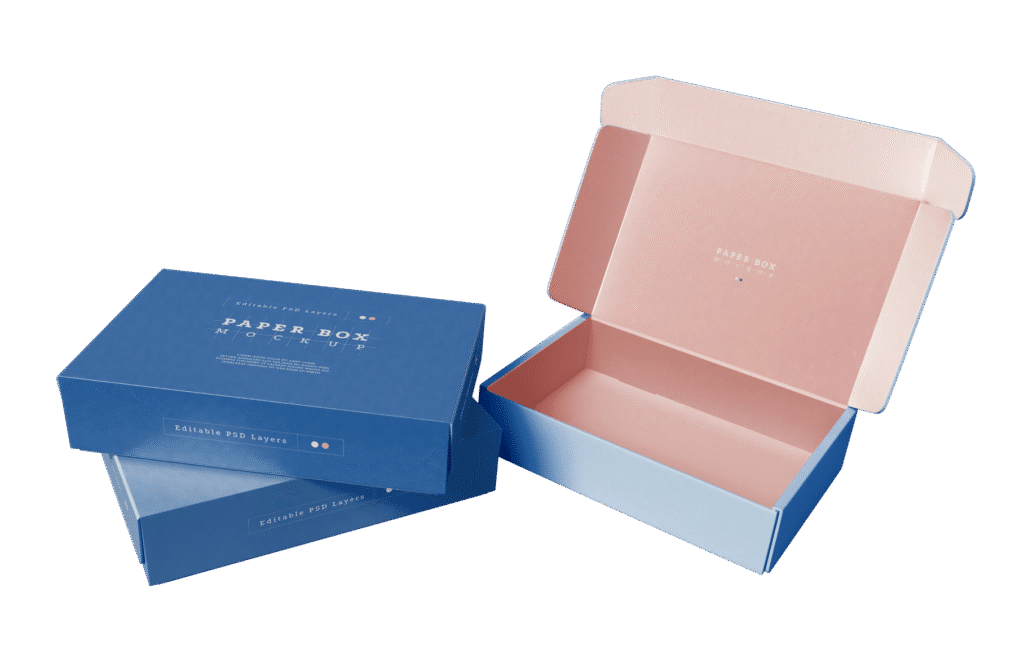
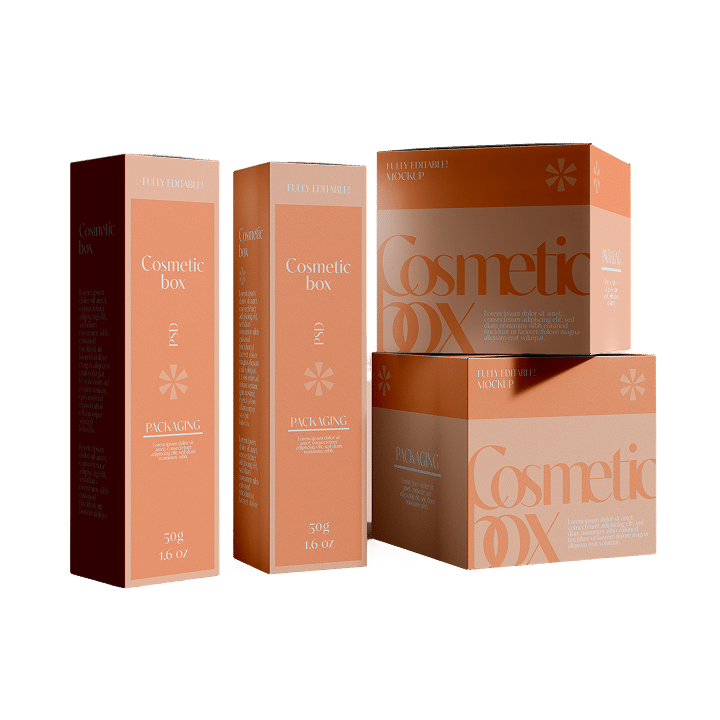
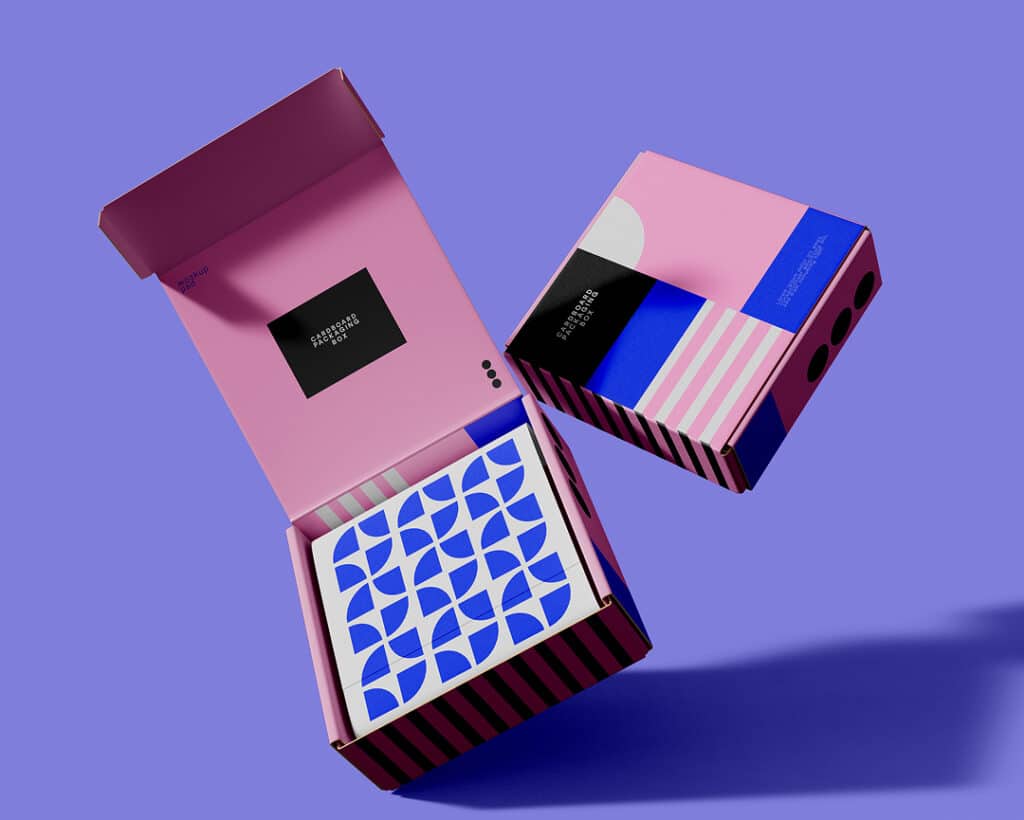
At Custom Pack Studio, we specialise in custom packaging design, from cartons and wallets to mailer boxes.
We create high-quality packaging which is the perfect pair for child-resistant products. Our bespoke solutions are built to withstand shipping, transit and handling, while helping your product stand out on the shelf and reflect your brand.
For more information on our packaging products, contact our experienced team today on 01294 314 919.