


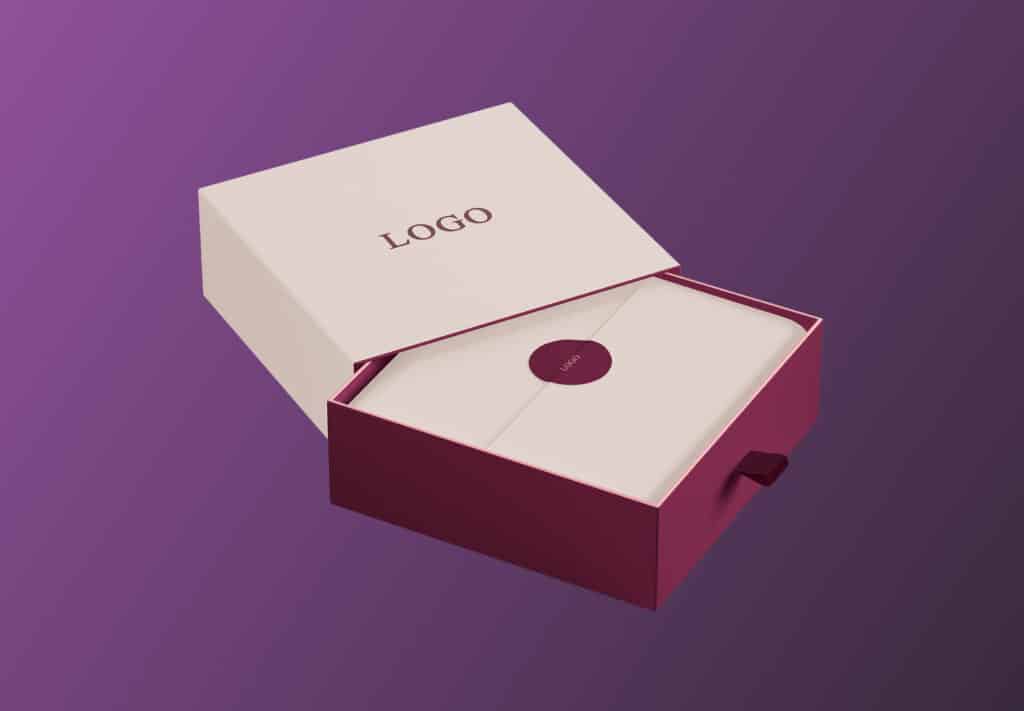




If you’ve ever picked up a perfume box and noticed the surface felt like velvet, that was soft touch lamination.
If the surface was smooth and flat without any shine, that was probably standard matte. They look similar at first glance, but the moment you touch them, the difference is obvious.
Both finishes are non-reflective. Both create a sophisticated, understated appearance on packaging.
But soft touch lamination adds a tactile dimension that standard matte doesn’t, and that extra layer of sensory quality comes with a higher price tag.
Here’s how to decide whether the upgrade is worth it for your product.
What is standard matte lamination? – Advice by Glasgow packaging supplier experts
Matte lamination is a thin plastic film (BOPP) applied to the printed surface of your packaging that creates a smooth, non-reflective finish.
It absorbs light rather than reflecting it, which gives colours a slightly softer, more muted appearance compared to gloss. The surface feels flat and smooth under your fingers, without any particular texture.
Matte lamination is the most popular finish for packaging that wants to look premium without being flashy.
It works well across cosmetics, food, jewellery, and lifestyle products because the understated finish lets the design do the talking.
It also handles fingerprints better than gloss (though not perfectly), and it’s compatible with finishing techniques like embossing, debossing, foil stamping, and spot UV.
Standard matte is the more affordable of the two options, and for most packaging applications, it’s a solid choice.
If you’ve read our matte vs gloss lamination comparison, you’ll already know the general benefits of matte. Soft touch takes those benefits and pushes them further.
What is soft touch lamination?
Soft touch lamination (also called velvet lamination or anti-scratch lamination) uses a specialised BOPP film that creates a distinctly different surface texture. Where standard matte feels flat and smooth, soft touch feels velvety, almost like suede or peach skin.
It’s an immediate, noticeable tactile difference that makes people instinctively run their fingers across the surface.
The visual appearance is similar to standard matte: non-reflective, sophisticated, and understated.
But the depth of the finish is slightly richer.
Soft touch lamination seems to absorb light more evenly, which gives printed colours a quality that’s hard to describe until you see it next to standard matte.
Black packaging, in particular, looks remarkably deep and rich under soft touch.
Soft touch lamination was originally developed for luxury brands in cosmetics, spirits, and high-end retail.
It’s become more accessible over the past few years as the film has become more widely available, but it still carries a clear association with premium products.
When someone picks up a soft touch box, they expect what’s inside to be good.
How do they actually compare?
The feel
This is the main reason people choose soft touch over standard matte.
The velvety texture creates an immediate sensory response that flat matte simply doesn’t provoke.
It makes people pick up the box and keep touching it, which sounds like a small thing but has real implications for retail environments and unboxing experiences.
The longer someone holds your packaging, the more connected they feel to the product inside.
Standard matte feels smooth and pleasant, but it’s unremarkable. You wouldn’t actively notice it. Soft touch is the finish people comment on.
Fingerprint resistance
Soft touch lamination handles fingerprints better than standard matte.
The textured surface disguises smudges and grease marks in a way that smooth matte can’t quite manage.
On dark-coloured packaging (black, navy, deep red), this difference is meaningful because fingerprints are most visible on dark, smooth surfaces.
Standard matte is better than gloss for fingerprints but still shows marks on darker colours, particularly after repeated handling.
If your packaging sits on retail shelves where customers pick it up and put it down, soft touch keeps the surface looking cleaner for longer.
Scratch and scuff resistance
Soft touch lamination is marketed as anti-scratch, and it does resist surface scuffs better than standard matte in most conditions.
The textured surface distributes minor abrasion differently, so light scratches are less visible.
However, it’s worth knowing that when soft touch lamination does get scratched (a deep mark, a fingernail dragged across the surface), the scratch can be more noticeable because it disrupts the uniform velvet texture.
Standard matte handles isolated scratches more gracefully because the flat surface doesn’t create the same contrast.
In practice, both perform well under normal packaging handling. The difference only shows under specific, deliberate damage.
Yellowing
Standard matte lamination can develop a slight yellow tint over time, particularly when stored in environments with exposure to light or heat.
This is most visible on white or light-coloured packaging and can take months to appear, but it does happen.
Soft touch lamination resists yellowing, which means your packaging maintains its original colour for longer in storage.
If you’re producing packaging that needs to sit in a warehouse or on shelves for extended periods (seasonal products, long-shelf-life goods), soft touch has an edge on longevity.
Colour appearance
Both finishes mute colours compared to gloss, but they do it differently.
Standard matte softens colours evenly, giving everything a slightly flat quality. Soft touch lamination adds depth. Dark colours appear deeper and richer, and there’s a subtle three-dimensionality to the printed surface that standard matte doesn’t achieve.
For designs that rely on strong, dark colour palettes (black and gold, deep navy, matte burgundy), soft touch enhances the visual impact.
For lighter, pastel-dominated designs, the difference between the two finishes is less pronounced.
Cost
Soft touch lamination costs more than standard matte.
The specialised film is more expensive, and the lamination process requires specific equipment settings.
On a typical packaging order, you might see a cost increase of 10 to 25 percent compared to standard matte, depending on the order size and supplier.
For budget-conscious brands or products where the packaging isn’t the primary selling point, standard matte delivers excellent results without the premium.
For products positioned at the higher end of their market, where the packaging experience directly influences perceived value, the extra cost of soft touch usually pays for itself in brand perception.
Compatibility with other finishes
Both finishes work well with foil stamping, embossing, debossing, and spot UV.
In fact, soft touch lamination paired with spot gloss UV creates one of the most striking contrasts in packaging finishing: the matte, velvety background against the shiny, raised gloss elements.
It’s a combination that luxury cosmetics brands use extensively.
Standard matte with spot UV also looks great, but the contrast is less dramatic because the matte surface isn’t as deeply textured as soft touch.
Soft touch coating vs soft touch lamination
You might also encounter soft touch coating (sometimes called soft touch varnish).
This achieves a similar velvety feel through a liquid coating rather than a film. The result is comparable in terms of texture, but the protection is different.
Soft touch lamination provides a physical barrier (the film) that protects the print from scuffs, moisture, and handling damage.
Soft touch coating doesn’t add the same structural protection because it’s a thinner, applied finish rather than an additional layer of film. Coating is less durable and more prone to marking over time.
For custom packaging that’s handled frequently (product boxes, gift boxes, point-of-sale packaging), lamination is the more reliable choice.
Coating can work for items with lighter handling, like inserts, sleeves, or limited-run pieces where cost matters more than long-term durability.
When to choose standard matte
Standard matte is the right choice when your packaging needs to look professional and sophisticated without a luxury price tag. It works well for:
Products with moderate price points
Where the packaging should look good but doesn’t need to make a bold tactile statement. Standard matte does the job cleanly and affordably.
High-volume orders
Where the cost difference between matte and soft touch adds up across thousands of units. The saving per unit is modest, but multiplied across a large run, it’s meaningful.
Packaging that’s handled briefly
For e-commerce boxes that are opened once and recycled. The tactile premium of soft touch matters less when the customer only touches the box for a few seconds.
When to choose soft touch
Soft touch is worth the extra cost when the packaging is part of the product experience and the tactile quality directly influences how the customer perceives the product inside:
Luxury and premium products
Cosmetics, skincare, perfume, jewellery, high-end food and drink. Any instance where the packaging needs to feel as premium as the product.
Retail-shelf products
Perfect for products that customers pick up, inspect, and compare before buying.
The velvety texture encourages handling and creates a sensory impression that standard matte doesn’t.
Gift packaging
Your box is part of the gift.
A soft touch box makes the whole package feel considered and special, which is exactly what gift-giving demands.
Why not enhance your gift products further with stickers and labels?
Dark colour palettes
Great for black, navy, deep green, burgundy.
Where finish enhances depth and hides fingerprints, the two areas where soft touch outperforms standard matte most clearly.
Frequently asked questions
Can I feel the difference between soft touch and matte?
Yes, immediately. Standard matte feels smooth and flat. Soft touch feels velvety, almost like suede. If you hold samples of each side by side, the difference is obvious within seconds. It’s the kind of thing you need to feel to fully appreciate.
Is soft touch lamination worth the extra cost?
For premium products where packaging perception matters, yes. The tactile quality adds perceived value that standard matte doesn’t match. For everyday or high-volume packaging, standard matte gives you excellent results at a lower cost.
Does soft touch lamination scratch easily?
Soft touch is marketed as anti-scratch and handles light scuffs well. Deep scratches can be more visible than on standard matte because they disrupt the velvet texture. Under normal handling conditions, both finishes perform similarly.
Can you print inside a soft touch box?
Soft touch lamination is applied to the exterior of the packaging. The interior can be printed or left plain, and the interior finish is independent of the exterior lamination choice.
Does soft touch work with foil stamping?
Yes, and it’s one of the best combinations in packaging finishing. Foil elements on a soft touch background create a striking contrast between shiny and velvety surfaces that looks and feels premium.
Want to compare them in person?
The difference between soft touch and standard matte is something you need to feel.
We can produce samples of your packaging design in both finishes so you can hold them, compare them, and decide which one is right for your product.
No minimum order, and our design team can advise on which finish works best for your brand.
Get a free quote or call us on 01294 314 919.