




If you’re shipping products to customers, you need a box.
But “a box” covers a surprisingly wide range of options, and the two you’ll encounter most often are mailer boxes and shipping boxes.
They look similar, they’re both made from corrugated cardboard, and they both get your product from A to B.
So what’s actually different, and when should you use which?
What is a mailer box? – by Glasgow packaging supplier experts
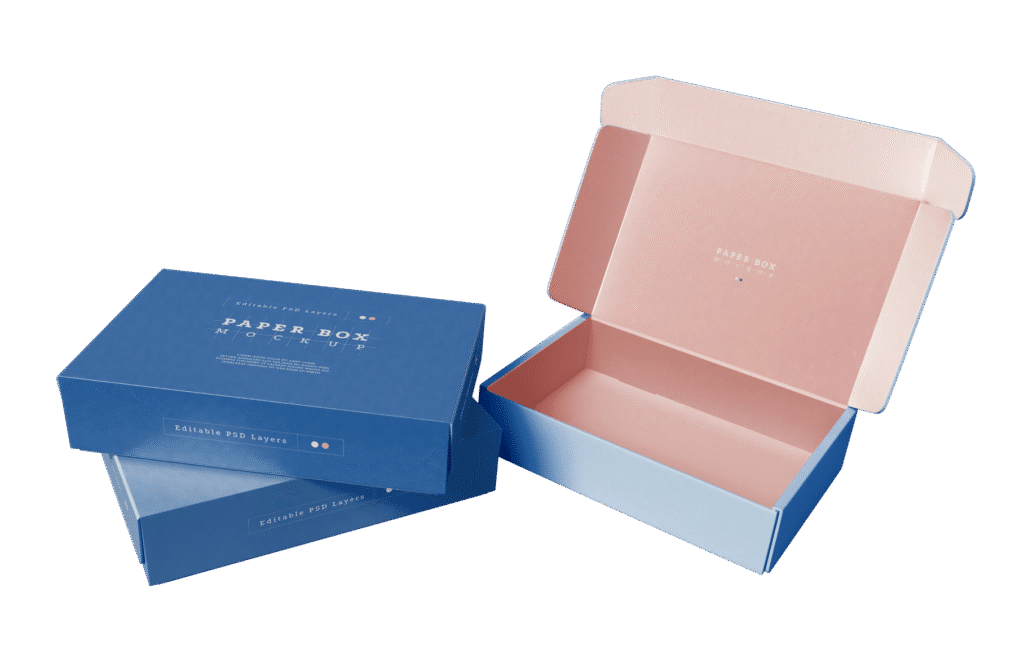
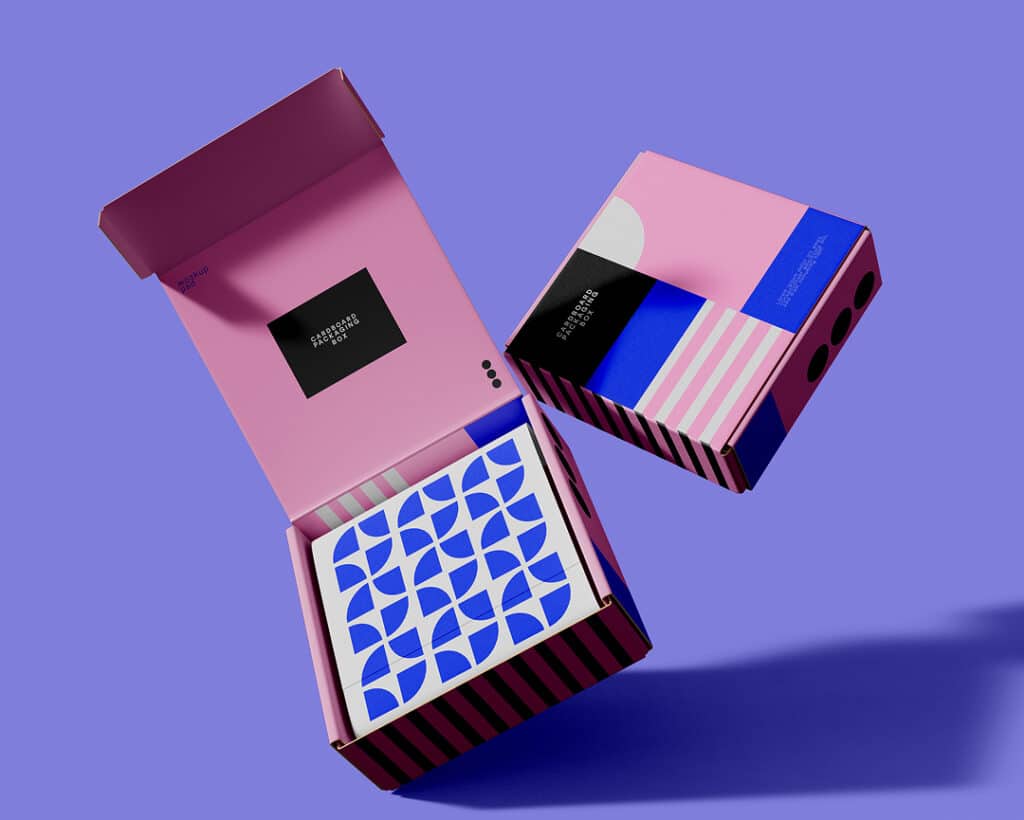
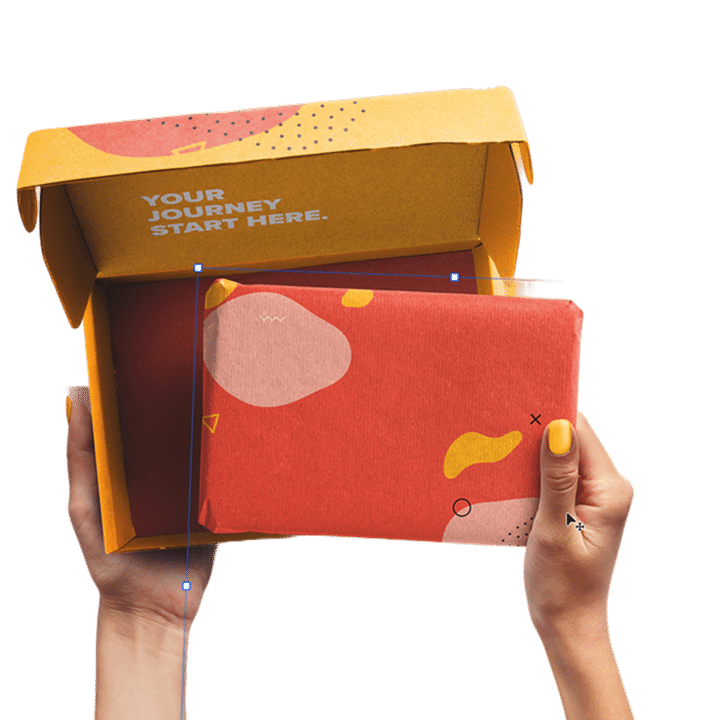
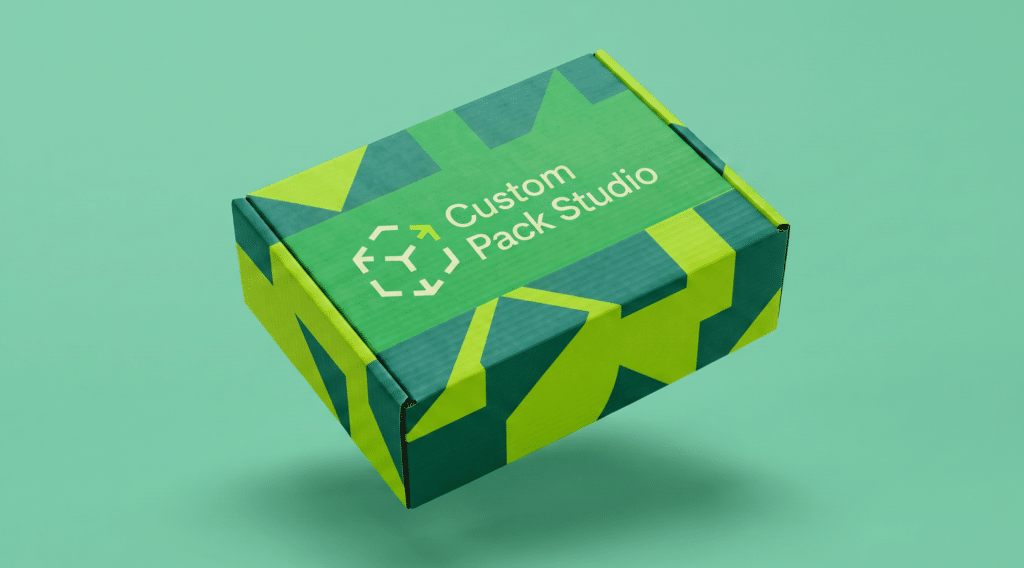
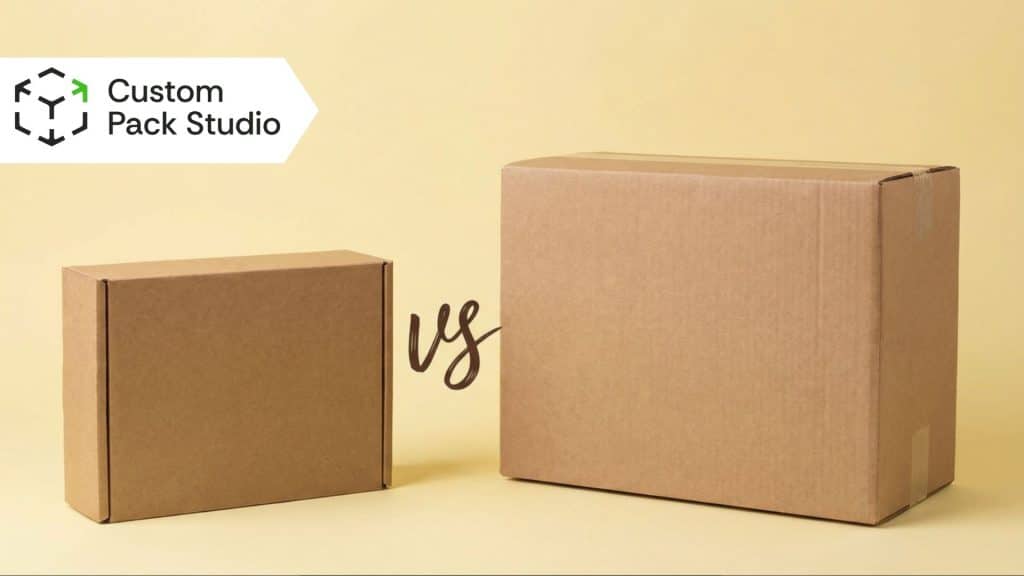
A mailer box (sometimes called a postal box) is a one-piece corrugated box with integrated flaps that fold and tuck to close.
You’ve almost certainly received one if you’ve ever ordered clothing, cosmetics, or subscription products online.
They’re the boxes that open like a book, with the lid attached to the base.
Mailer boxes are made from a single sheet of corrugated board, scored and die-cut so they fold into shape without tape or glue.
This one-piece construction makes them easy to assemble (most pop up in seconds). And because they arrive flat-packed, they take up very little storage space before use.
The corrugated board in a mailer box is typically E-flute or B-flute (the thin, fine-ridged types). They are lightweight but sturdy enough for items up to around 5 to 10kg depending on the box size.
They’re not designed for heavy or fragile products. But for lightweight goods shipped via Royal Mail or standard couriers, they’re ideal.
What is a shipping box?
A shipping box (also called a regular slotted container or RSC) is the classic brown box with four flaps on top and bottom that close and are sealed with tape.
It’s a two-piece design in the sense that the flaps are separate elements that overlap and require tape to hold them shut.
Shipping boxes are built for protection.
They use thicker corrugated board, typically B-flute, C-flute, or BC double-wall construction, and are designed to be stacked, palletised, and handled by couriers without damaging the contents.
A standard single-wall shipping box can handle 15 to 20kg, while double-wall versions support 30kg and above.
They come in standard sizes from stock, or can be made to custom dimensions.
Unlike mailer boxes, shipping boxes are usually sealed with tape and may need void fill (bubble wrap, paper, or packing peanuts) inside to stop products moving around during transit.
How do they compare?
Construction and strength
Mailer boxes use thinner corrugated board because they’re designed for lighter items.
The E-flute board commonly used in mailer boxes has a corrugation height of about 1.5mm, compared to 4mm for C-flute shipping boxes.
That difference in board thickness translates directly into weight capacity and crush resistance.
Shipping boxes are structurally stronger.
Their overlapping flap design creates a more rigid top and bottom, and the thicker board handles stacking pressure better.
If your product needs to survive a pallet stacked six high in a courier depot, a shipping box is the safer choice.
For products under 5kg that aren’t fragile (clothing, books, accessories, packaged food, cosmetics), a mailer box provides more than enough protection.
For anything heavier, bulkier, or breakable, a shipping box with appropriate void fill is the better option.
Branding and presentation
This is where mailer boxes have a significant advantage.
Because they open like a book with a single lid, the interior is immediately visible when the customer opens the box.
That creates an unboxing experience that’s hard to replicate with a shipping box, where the customer has to cut tape and pull open overlapping flaps.
Mailer boxes are easy to print on, both inside and outside.
A printed exterior with your brand, and a printed interior with a thank-you message or care instructions, turns the packaging into part of the product experience.
Shipping boxes can be printed too, but the overlapping flap design makes the top and bottom surfaces less clean for graphics.
Most brands use shipping boxes for protection and either add a branded mailer box inside or apply branded tape and labels to the exterior.
Cost
Plain shipping boxes are cheaper per unit than custom mailer boxes because they’re simpler to manufacture and widely available in standard sizes.
However, the total shipping cost picture is more nuanced due to the weight of your item.
Mailer boxes also reduce the need for void fill because the box can be sized to fit the product closely.
Shipping boxes often require padding materials to stop items shifting, which adds cost and packing time.
Assembly and packing speed
Mailer boxes win on assembly time. They pop up from flat in one or two moves and close with tuck-in flaps that don’t require tape.
For small businesses packing orders by hand, this saves meaningful time per order.
Shipping boxes need to be assembled (folding the bottom flaps, taping them shut). Packed with void fill. Sealed with tape on top.
It’s not complicated, but it takes longer per unit and requires tape and packing materials on hand.
If you’re fulfilling a high volume of lightweight e-commerce orders, the packing speed difference between mailers and shipping boxes genuinely affects your daily throughput.
Storage
Both box types arrive flat-packed, but mailer boxes tend to store more efficiently because they’re thinner.
A pallet of flat-packed mailer boxes holds more units than the same pallet of flat-packed shipping boxes because the thinner board takes up less space per box.
If you’re running an e-commerce operation from a small workspace, storage space is precious, and mailer boxes make better use of it.
Sustainability
Both mailer boxes and shipping boxes are made from corrugated cardboard. This is one of the most widely recycled packaging materials in the UK.
Corrugated board is recyclable through standard household recycling, and recycled corrugated content is commonly used in new board production.
Mailer boxes have a slight edge on sustainability because they use less material per box (thinner board, no tape required) and eliminate the need for plastic void fill when properly sized.
A well-fitting mailer box with no excess space is one of the more sustainable packaging options for e-commerce.
Shipping boxes are sustainable too, particularly if you avoid plastic tape and plastic void fill in favour of paper tape and paper-based padding.
The key is sizing: an oversized shipping box filled with plastic bubble wrap is the worst outcome for both cost and environment.
When to use a mailer box
Mailer boxes are the right choice when your products are lightweight (under 5 to 10kg), not fragile, and you want the packaging to make a branded impression.
They work particularly well for:
Clothing and accessories
T-shirts, scarves, jewellery, wallets, and similar items fit neatly in a mailer box without void fill and arrive looking presented rather than just packaged.
Subscription boxes
The book-style opening is perfect for subscription services where the reveal is part of the experience. Customers expect a curated, branded interior.
Cosmetic and skincare
Small, lightweight products that benefit from premium presentation.
A printed mailer box makes a candle or skincare set feel like a proper gift. Especially when coupled with soft touch or matte lamination.
Direct-to-consumer brands
If you sell online and your packaging is the first physical touchpoint with your customer, a custom mailer box sets the tone for the relationship.
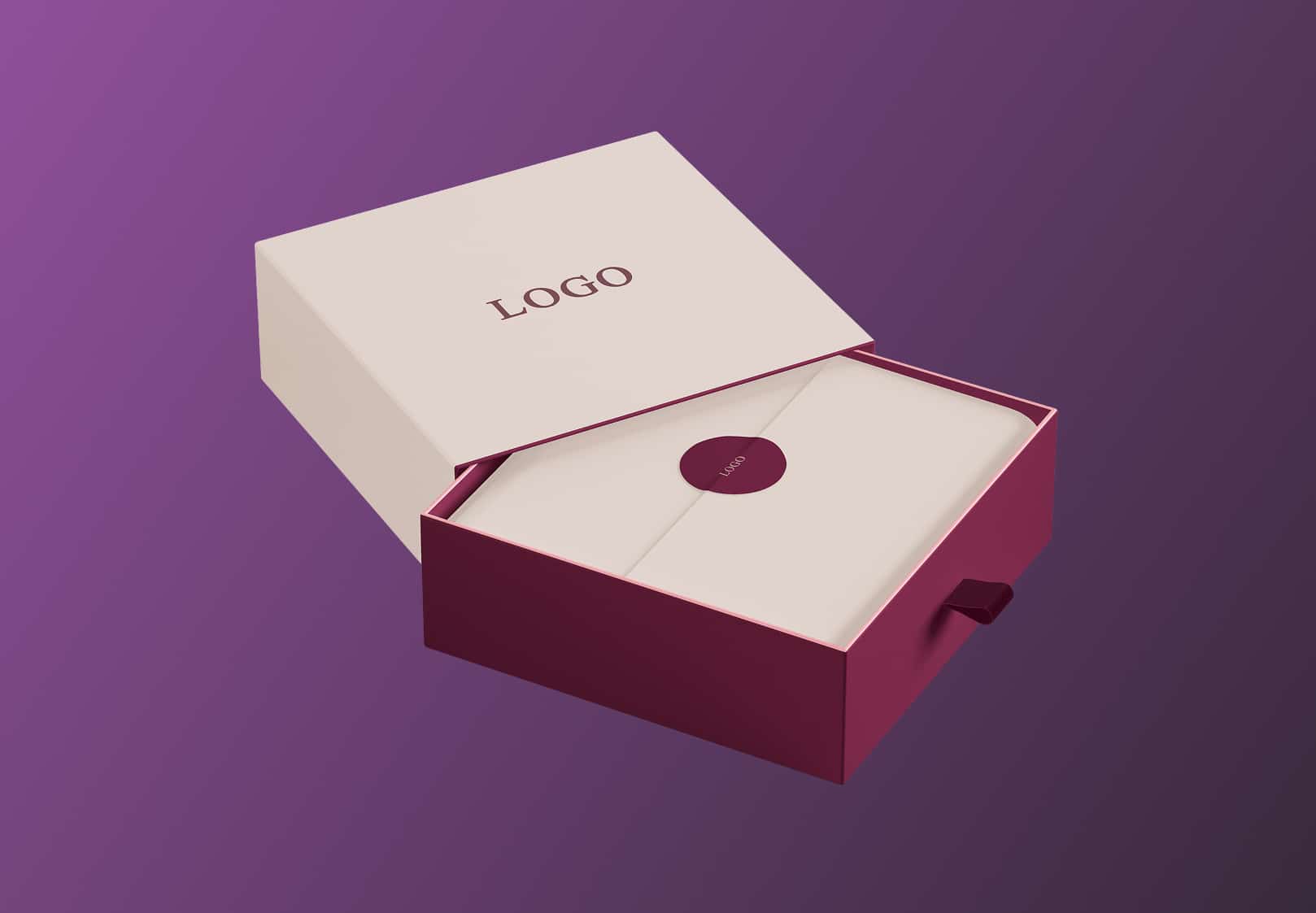
When to use a shipping box
Shipping boxes are the right choice when protection is the priority, the product is heavy or fragile, or you’re shipping in bulk. Best for:
Heavy or bulky products
Anything over 10kg, or items that are awkward shapes and need padding around them to prevent movement.
Fragile items
Glassware, ceramics, electronics, and anything that could break if the box is dropped or stacked. The thicker board and void fill provide the cushioning that mailer boxes can’t.
Multi-item orders
When you’re packing several products into one shipment and the items vary in size and shape, a shipping box with void fill is more flexible than trying to fit everything into a rigid mailer.
B2B and wholesale
If you’re shipping to retailers or distributors rather than end customers, the branding benefits of a mailer box are less relevant, and the stacking strength of a shipping box matters more.
Can you use both?
Many brands do.
The most common approach for premium e-commerce is a branded mailer box as the primary packaging (holding the product, creating the unboxing experience), placed inside a plain brown shipping box for transit protection.
The customer sees the shipping box first, opens it, and finds the branded mailer inside.
This two-box approach adds cost but gives you the best of both worlds: the shipping box handles the abuse of the courier network, and the mailer box arrives pristine for the customer to open.
It works well for higher-priced products where the packaging experience justifies the extra cost.
For lower-priced or lightweight items, a single mailer box is usually sufficient.
The corrugated board is strong enough for standard postal handling, and avoiding the outer shipping box keeps costs down.
The Custom Pack Studio team will be more than happy to guide you through your options, as well as differences between single wall and double wall cardboard.
Frequently asked questions
Are mailer boxes strong enough for posting?
Yes. Mailer boxes are made from corrugated board and are designed specifically for postal and courier delivery. They’re suitable for items up to around 5 to 10kg, which covers most e-commerce products. For heavier items, choose a shipping box instead.
Can you print on both types of box?
Yes. Both mailer boxes and shipping boxes can be custom printed with your branding, though mailer boxes offer a cleaner printing surface because of their tuck-flap design. Mailer boxes can also be printed on the inside for an added unboxing touch.
Which is cheaper to ship?
Mailer boxes are typically cheaper to ship because they’re thinner and lighter, which keeps both weight-based and dimensional-weight postal charges lower. The exact saving depends on your courier and the size difference between the mailer and shipping box alternatives.
Do mailer boxes need tape?
Standard mailer boxes close with interlocking tuck flaps and don’t require tape. Some businesses add a branded sticker or tamper-evident seal for security, but tape isn’t structurally necessary.
Can I get custom-sized mailer boxes?
Yes. We produce custom mailer boxes in any size to fit your specific product, printed with your branding, from just one unit with no minimum order. A well-fitting box reduces the need for void fill and lowers shipping costs.
Need help choosing?
If you’re not sure whether a mailer box or shipping box is right for your product, we can help.
Send us your product dimensions and weight, and our design team will recommend the best option for protection, presentation, and cost.
Get a free quote or call us on 01294 314 919.