



You’ve got your box design sorted, the print looks good, and now you want to add something that makes it feel premium.
Foil stamping and embossing are the two finishing techniques that come up most often at this stage. While they both add a luxury feel, they do very different things.
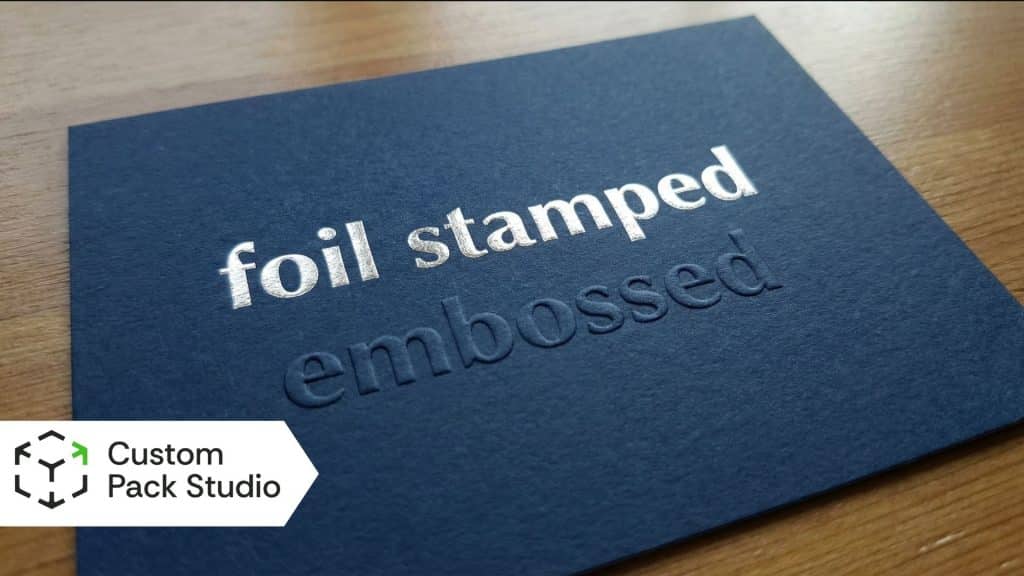
Foil stamping is visual. Embossing is tactile.
Understanding that distinction is the quickest way to work out which one your packaging actually needs, and whether it’s worth combining both.
What is foil stamping? -By expert packaging suppliers in Edinburgh
Foil stamping (sometimes called hot foil printing) uses a heated metal die to press a thin layer of metallic or coloured foil onto the surface of your packaging.
The die is engraved with your design, heated, and pressed against the foil and the card in a single action. The heat activates an adhesive layer on the foil, bonding it permanently to the surface.
The result is a shiny, reflective element on your packaging.
Gold and silver are the most popular choices, but foil comes in a wide range of finishes including rose gold, copper, holographic, matte metallic, and solid pigment colours.
You can foil stamp a logo, a pattern, a border, text, or any design element you want to draw attention to.
What is embossing?
Embossing creates a raised, three-dimensional design on the surface of your packaging.
It is done after offset or digital printing, and works by pressing the card between two matched dies.
The card is permanently deformed into the shape of the die, creating a design that sits above the surface and can be felt with your fingertips.
The effect is subtle and tactile.
An embossed logo or pattern doesn’t change the colour of the packaging. Instead, it adds depth and dimension through light and shadow. When someone picks up your box, they can feel the raised design, which creates a sensory experience that print alone can’t deliver.
Debossing is the reverse: the design is pressed into the surface rather than raised above it, creating an indented effect.
Both techniques use the same die process, just applied from different directions.
Debossing tends to look slightly more understated, while embossing is more immediately noticeable.
How do they compare?
The simplest way to think about it: foil stamping adds shine, embossing adds texture.
But there’s more to the decision than aesthetics.
Visual impact vs tactile impact
Foil stamping is immediately visible.
It catches light and draws the eye, making it effective on retail shelves where your packaging competes for attention. You can spot a foil-stamped element from across a room.
Embossing is discovered by touch.
It’s less visible at a distance (especially blind embossing, which uses no ink or foil) but creates a stronger sensory impression when someone handles the box. It rewards close interaction. That’s why it works so well for unboxing experiences and products that are given as gifts.
Process and dies
Both techniques require custom metal dies, which is where the upfront cost comes from.
Foil stamping uses a single flat die (plus the foil material), while embossing uses a matched pair of male and female dies that must align precisely. The dies are typically made from magnesium, copper, or brass, with brass lasting the longest and being the most expensive.
Once the dies are made, they can be reused across multiple production run. This means the initial investment spreads over time if you’re ordering the same design repeatedly.
Cost
Foil stamping is generally a little cheaper than embossing because it uses a single die rather than a matched pair.
The foil material itself adds a per-unit cost that varies depending on the type (standard gold or silver is cheaper than holographic or specialist colours), but the overall cost per box is usually modest.
Embossing costs more upfront. This is because of the two-die requirement, and the dies need to be manufactured to tighter tolerances since they must align perfectly.
Multi-level embossing (where different parts of the design are raised to different heights) costs more again because the dies are more complex.
Material requirements
Foil stamping works on a wide range of card weights and finishes.
It’s versatile and can be applied to thin card, thick board, coated and uncoated surfaces, and even some plastics and fabrics.
Embossing needs a heavier card stock to hold the raised shape properly. Thin card won’t retain the embossed shape and can look weak or distorted. As a general rule, anything above 300gsm works well for embossing.
If you’re using thinner card, debossing tends to hold better.
Durability
Foil is a surface treatment, so it can be scuffed or scratched during handling.
Laminating over the foil adds a protective layer that solves this. Most foil-stamped packaging is laminated for exactly this reason.
Embossing is part of the card structure itself, so it doesn’t wear away. The raised shape is permanent and won’t fade, peel, or rub off.
It’s the more durable of the two techniques from a longevity perspective.
Types of foil stamping
Metallic foil
Gold, silver, copper, and rose gold are the classics.
Metallic foils reflect light strongly and create obvious visual contrast against printed surfaces.
Pigment foil
Non-metallic foils in solid colours give a smooth, opaque finish that sits differently from printed ink.
White foil on kraft card, for example, creates a clean, premium effect that white ink printing can’t quite match.
Holographic foil
Holographic foils create a rainbow, light-shifting effect that changes colour depending on the viewing angle.
They’re eye-catching and work well for products targeting younger audiences or brands that want to stand out as playful and bold.
Matte metallic foil
A newer option that combines the metallic look with a soft, non-reflective finish.
Matte gold or matte silver foil gives a modern, understated luxury feel that pairs particularly well with matte-laminated packaging.
Types of embossing
Blind embossing
The raised design has no ink or foil applied, relying entirely on light and shadow for its effect.
It’s the most subtle form of embossing and works best on clean, minimal packaging designs where the texture speaks for itself.
Registered embossing
The embossed area is aligned with a printed element underneath, so the raised shape matches the printed design. This adds dimension to logos, text, or graphics that are already part of your artwork.
Multi-level embossing
Different parts of the design are raised to different heights, creating a more sculptural, three-dimensional effect. It’s more expensive because the dies are more complex, but the result can be striking on premium packaging.
Foil embossing
Foil and embossing applied together in a single pass, so the raised element is also foil-stamped.
This combines the visual impact of foil with the tactile quality of embossing, and it’s the most premium finishing option available for custom packaging.
Which industries use each technique?
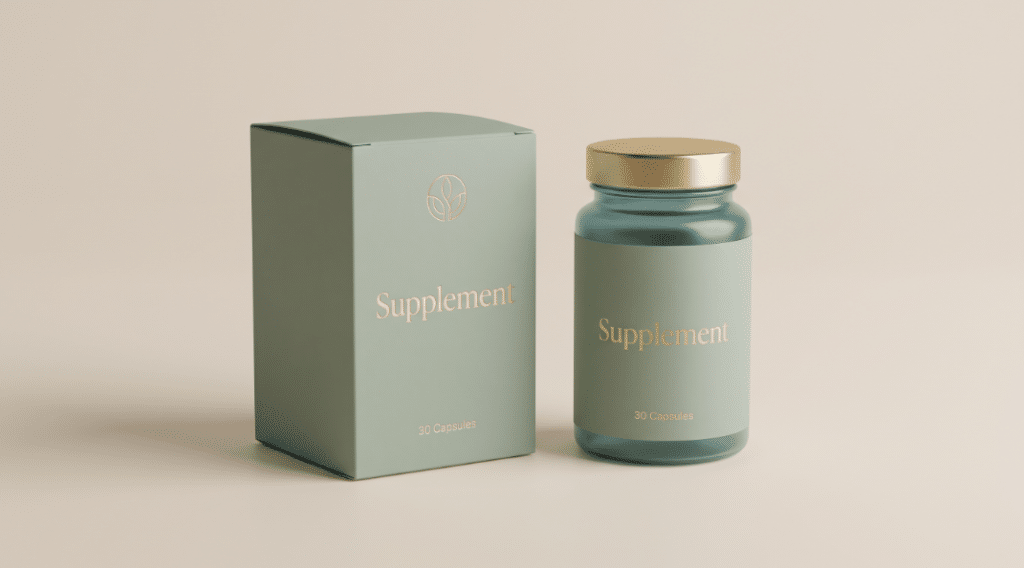
Foil stamping is popular across cosmetics, spirits, confectionery, and gift packaging because it adds immediate visual luxury for bespoke packaging goods.
A foil-stamped logo on a perfume box or a chocolate bar wrapper signals premium quality before the customer even picks it up.
Wine and spirits labels rely heavily on foil to communicate price point and heritage.
Embossing is favoured by brands where the tactile experience matters: jewellery boxes, high-end fashion packaging, wedding stationery, and artisan food products.
Brands that want their packaging to feel as good as it looks tend toward embossing or debossing because the texture creates a physical connection that visual techniques alone can’t achieve.
Many brands combine both.
A cosmetics box with a matte laminate, debossed logo, and foil-stamped brand name covers all bases: visual impact, tactile quality, and a cohesive premium feel.
Frequently asked questions
Is foil stamping more expensive than embossing?
Foil stamping is generally slightly cheaper because it uses a single die rather than a matched pair. The foil material adds a small per-unit cost, but overall, foil stamping tends to be the more affordable of the two techniques.
Can you foil stamp and emboss on the same box?
Yes. Foil embossing combines both in a single pass, giving you a raised, foil-stamped element. You can also apply them separately to different parts of the design for contrast.
Does embossing work on thin card?
Embossing works best on card stock above 300gsm. Thinner card may not hold the raised shape properly. If you’re using lighter material, debossing (pressing in rather than raising up) is usually a better option.
What’s the difference between embossing and debossing?
Embossing raises the design above the surface. Debossing presses it below the surface. Both use the same die process but from different directions. Embossing is more noticeable; debossing is more subtle.
How long do the dies last?
Metal dies (particularly brass) can last for hundreds of thousands of impressions and be reused across multiple production runs. If you order the same design regularly, the die cost is a one-time investment.
Want to see the difference in person?
Descriptions and photos only get you so far.
The real difference between foil stamping and embossing is something you need to feel.
Custom Pack Studio can produce samples of your packaging with different finishing techniques so you can compare them side by side before committing.
No minimum order, and our design team can help you choose the right combination for your product.
Get in touch for a free quote or call us on 01294 314 919.