

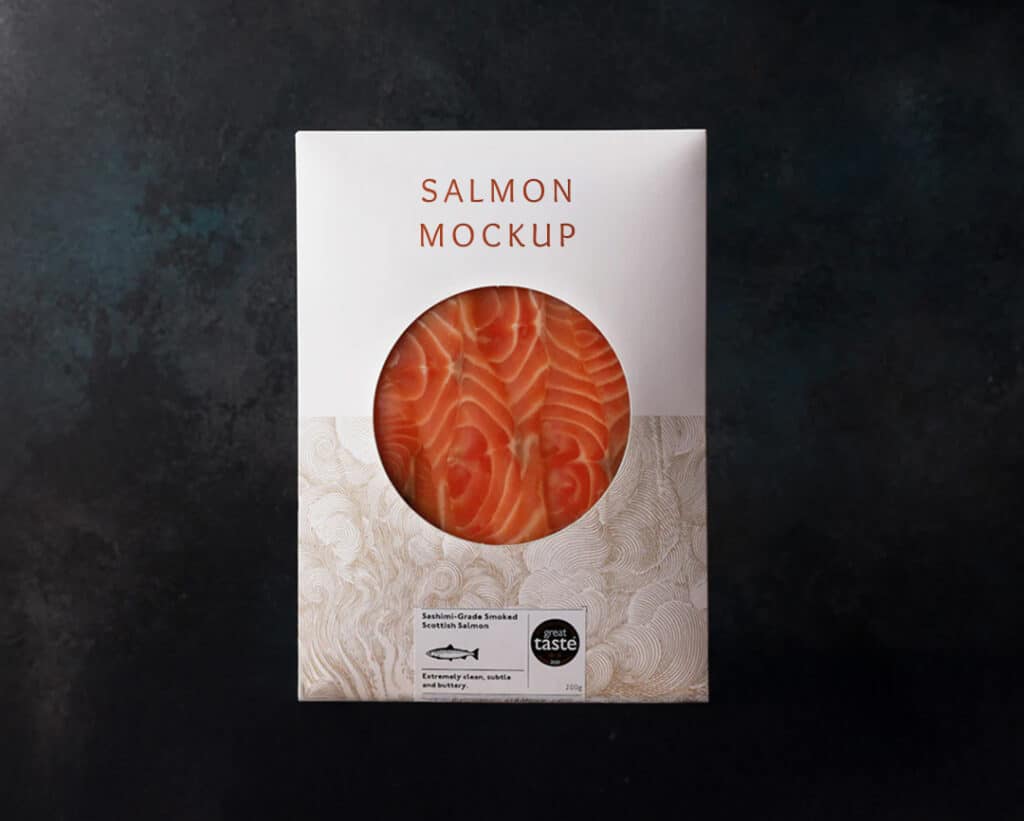
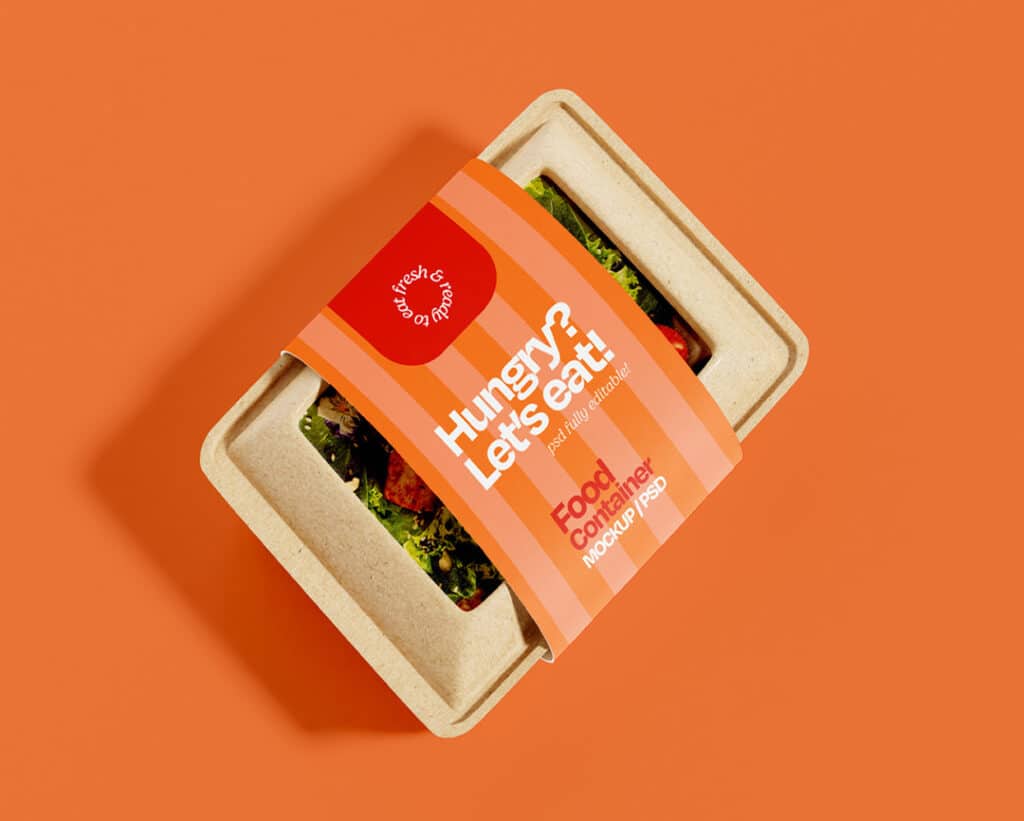
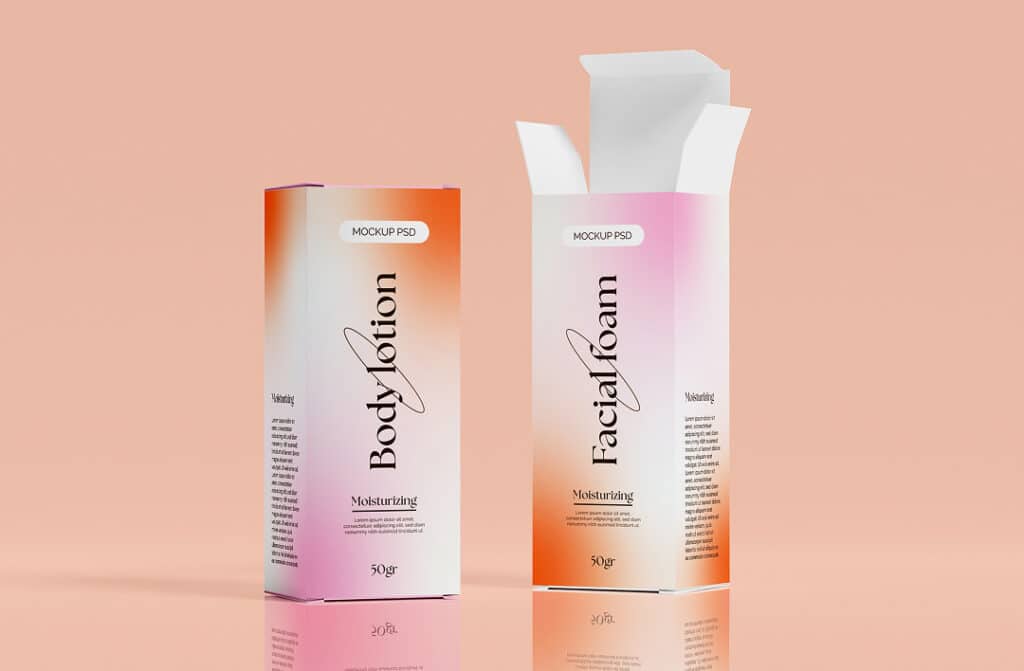
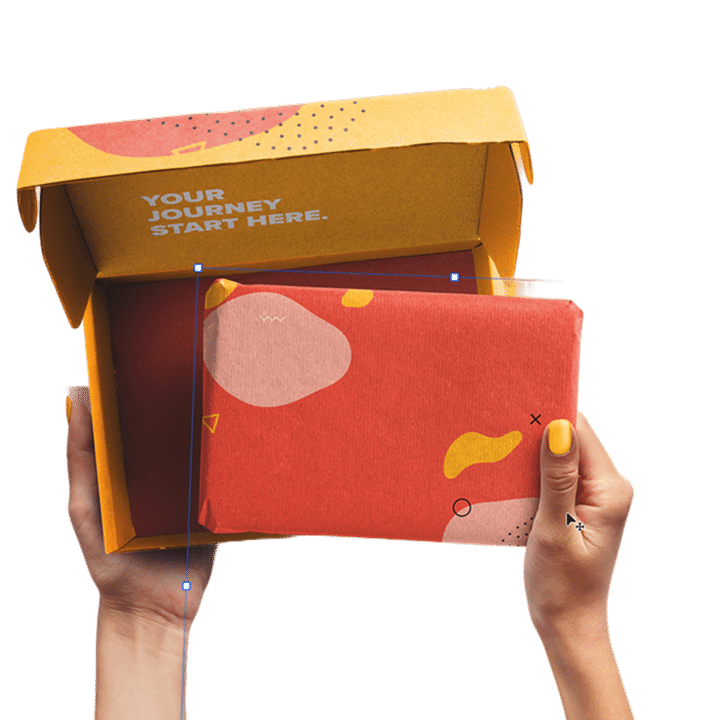

You have a product. It needs to get from your workshop, kitchen, or warehouse into your customer’s hands. The thing that makes that journey possible, and shapes what your customer thinks when they receive it, is packaging. The concept of packaging covers everything from preparing goods for shipping to enclosing a packaged product in branded materials that tell your story.
But packaging is more than a cardboard box. Packaging is the first physical touchpoint between your brand and your buyer, and packaging plays a bigger role than most people realise.
This guide breaks down the different types of packaging you will encounter, the materials used across the packaging industry, and how to choose the right packaging for your type of product. Whether you are launching your first product or rethinking your current setup, this will help you make better decisions.
The concept of packaging and what good packaging looks like
The purpose of packaging is to protect the product during storage and transport, while communicating what is inside. Packaging includes everything from a simple paper bag around a bakery loaf to a multi-layered combination of materials protecting electronics during international shipping. Good packaging encloses and protects goods throughout the entire distribution system.
But packaging also plays a direct role in whether someone picks your product off a shelf or clicks “add to basket” online. What people see on the outside shapes what they expect on the inside, which is why packaging design matters as much as the product itself.
For product-based businesses, packaging is where branding meets function. A well-designed box or mailer tells your customer you care about quality before they even open it. Packaging protects your product from damage and contamination while building customer satisfaction and loyalty from the very first interaction.
Functions of packaging: why it matters more than you think
If you sell a physical product, packaging is not optional. It is part of the product experience. Research suggests that around 72% of consumers say packaging design influences their purchasing decisions, and most people form an opinion about a product within seven seconds of seeing it.
That puts a lot of weight on how your packaging appears when it arrives.
Protect the product
The most basic function of packaging is to protect goods during transit. Products for distribution require protection from moisture, dust, impact, and temperature changes. Whether it is a glass candle, a bag of coffee, or a set of cosmetic products, your packaging needs to keep everything in sellable condition. A protective layer between the product and the outside world prevents returns, refunds, and unhappy buyers.
Branding and first impressions
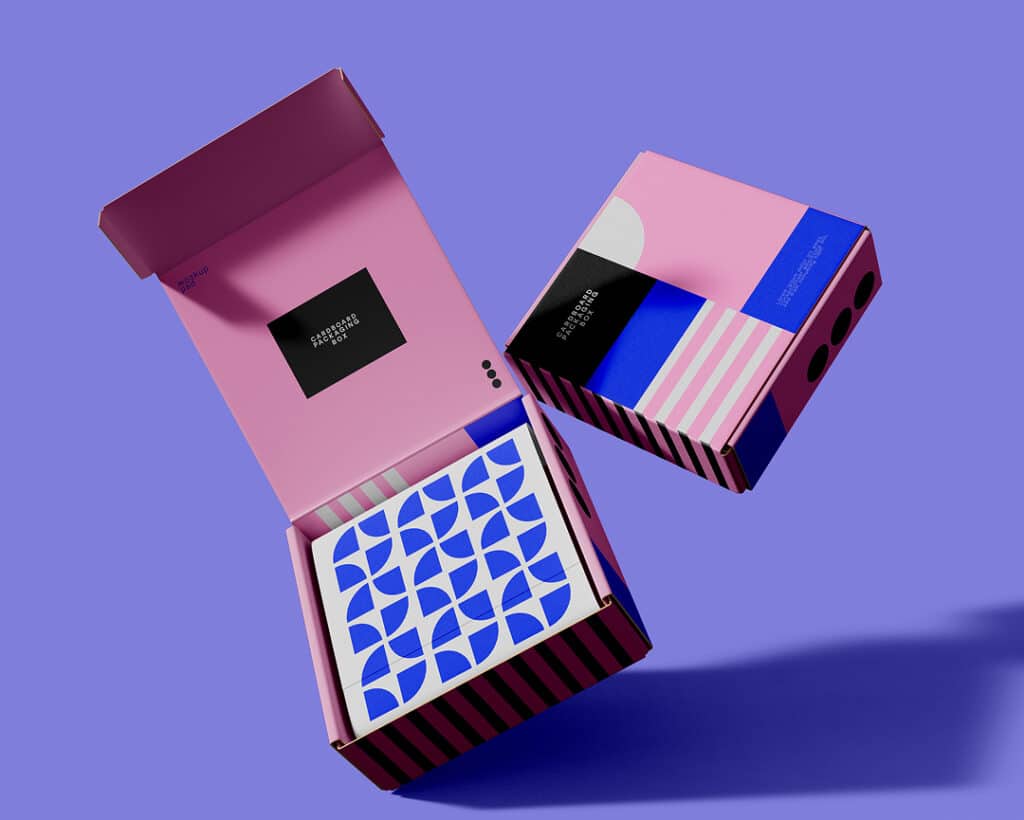
Your packaging is often the first thing a customer physically touches. If you sell online, it is the first real-world interaction they have with your brand. A plain brown mailer with a product rattling around inside sends a very different message to a custom-printed box with tissue paper and a thank-you card. Both deliver the product, but only one builds brand loyalty.
Communication and label information
Packaging tells your customer what they need to know. Every label on a packaged product carries ingredients, weight, usage instructions, allergen warnings, and recycling information. For regulated industries like food, cosmetics, and pharmaceuticals, packaging must meet strict labelling and sanitary requirements. Some products also require tamper-evident or easy-open features for consumer safety. Getting your label right from the start saves costly reprints later.
The unboxing experience in the digital age
In the age of e-commerce, the unboxing experience has become part of the product itself. Customers film themselves opening packages and share them across social media. That is free marketing you cannot buy, but it only happens when your packaging appears worth sharing. Think about what your customer sees, feels, and experiences when they open your box. That moment builds customer loyalty and drives repeat purchases.
Three levels of packaging: primary, secondary and tertiary
The packaging of goods is typically divided into three levels, and most products use at least two of them. Understanding these three levels helps you work out what you actually need for your packaging process.
Primary packaging
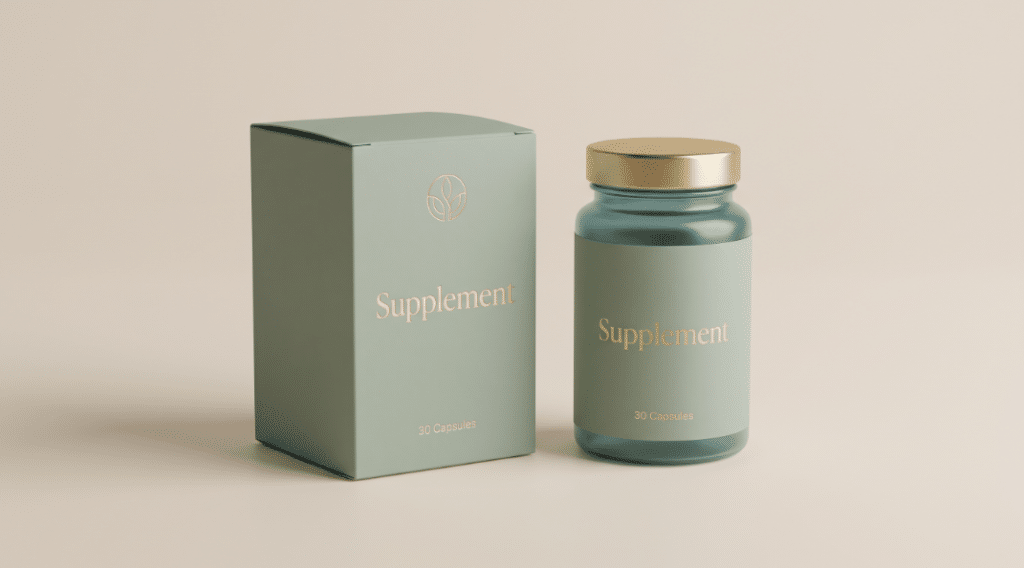
Primary packaging is the layer that has direct contact with the product. A glass jar holding face cream. A pouch containing coffee beans. A bottle holding hot sauce. Because primary packaging has direct contact with the product, it needs to preserve quality, maintain shelf life, and carry your branding and label information.
For many small businesses, primary packaging is the most important investment because it is what the customer sees and interacts with daily. The packaging is the first thing they notice.
Secondary packaging
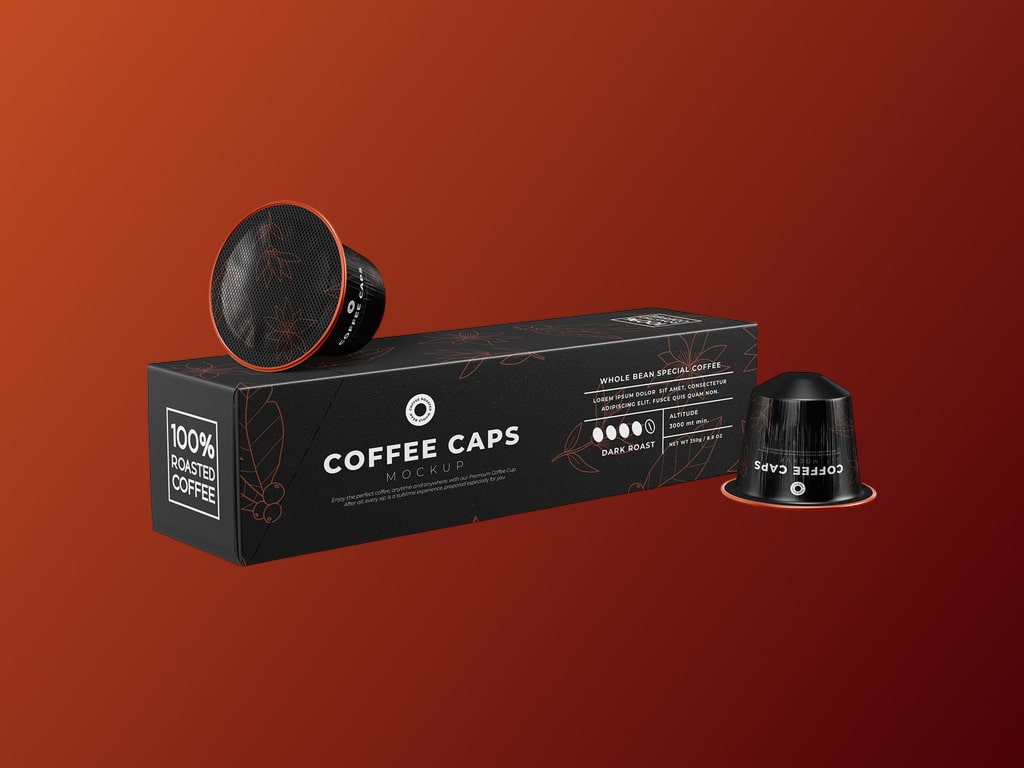
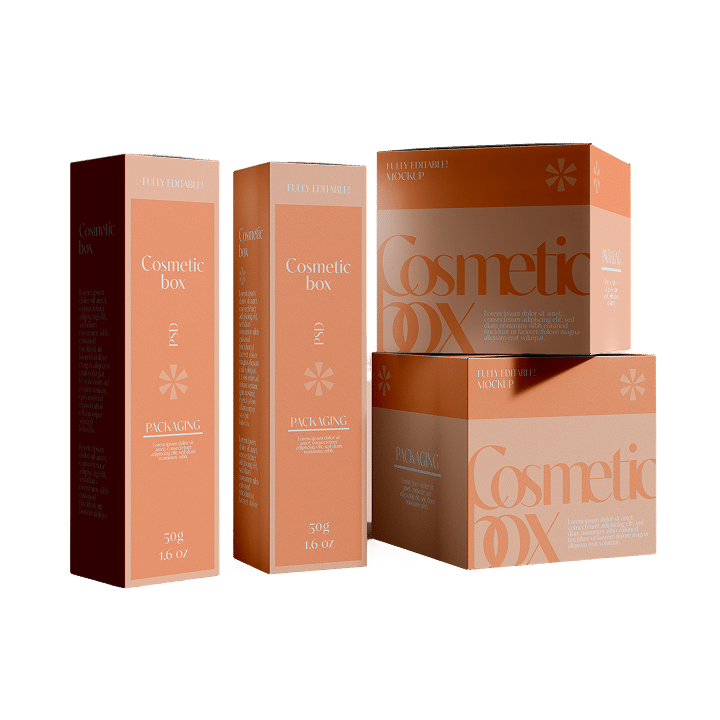
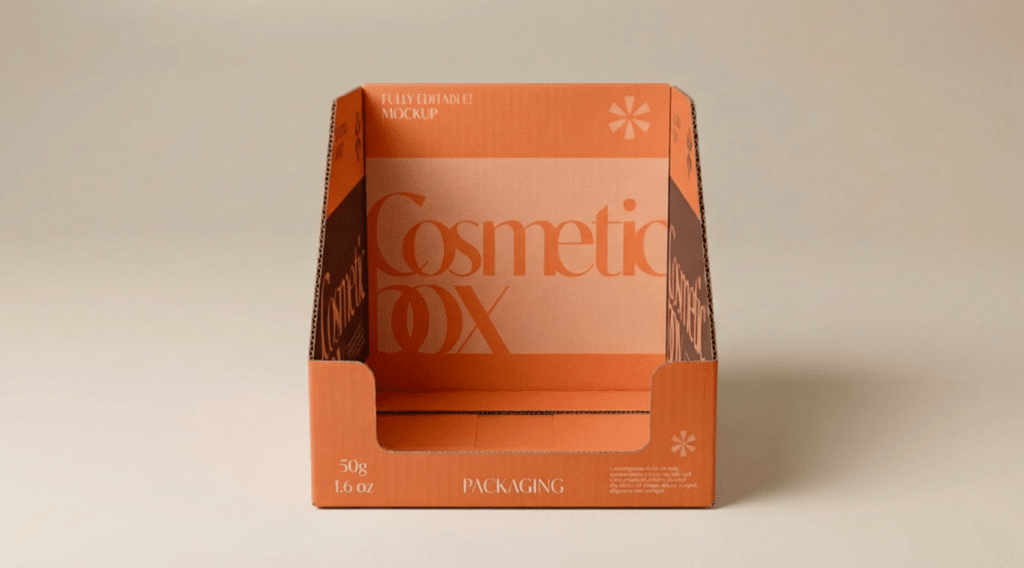
Secondary packaging sits outside the primary packaging and groups or presents your products. A carton around a perfume bottle. A sleeve around a set of soap bars. A retail-ready display tray holding six bags of crisps. This level adds another protective layer while giving you space for stronger branding, especially for retail products that need shelf appeal.
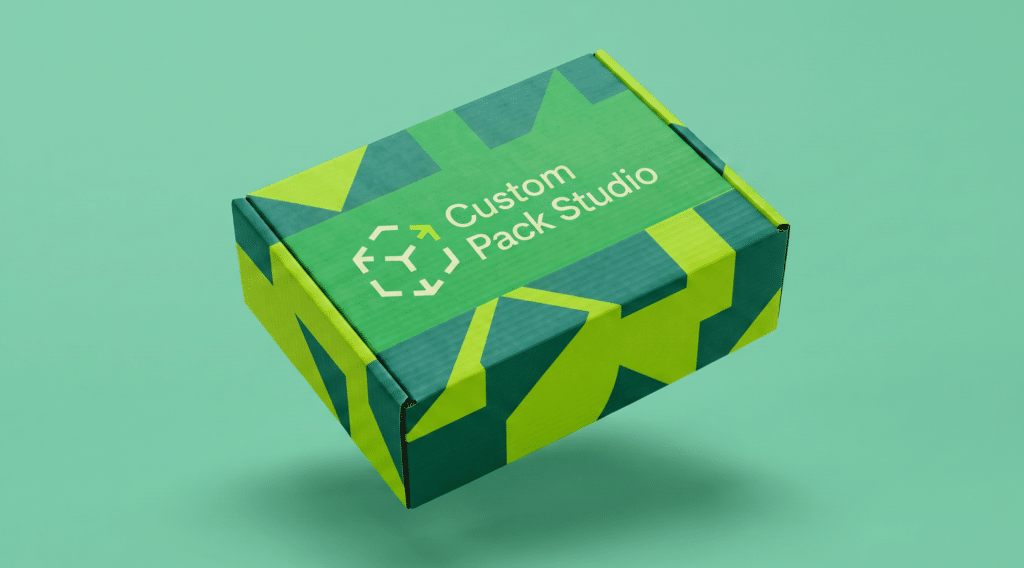
If you sell online, your custom mailer box or postal box often functions as secondary packaging, combining shipping protection with brand presentation.
Tertiary packaging
Tertiary packaging is the outer layer used for transport packaging and logistics across the supply chain. Corrugated shipping containers, pallets, shrink wrap, and stretch film all fall into this category. Tertiary packaging is designed to handle large volumes and rarely reaches the end customer, but it keeps everything safe during transport from your production facility to the warehouse, the point of sale, or the customer’s door.
For small businesses, the line between secondary and tertiary packaging often blurs. Your branded mailer box might be both the presentation layer and the shipping container, which is why getting the packaging process right matters.
Different materials used in the packaging industry
The packaging sector uses a wide variety of containers and materials, and the material you choose affects everything: how your product is protected, what your packaging looks like, how much it costs, and whether it can be recycled. Here are the different materials you will come across.
Cardboard and paperboard
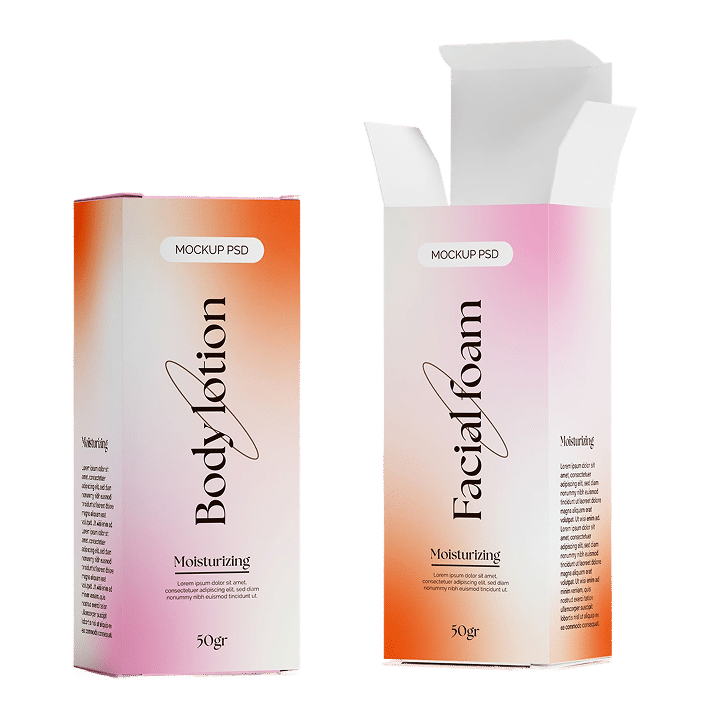
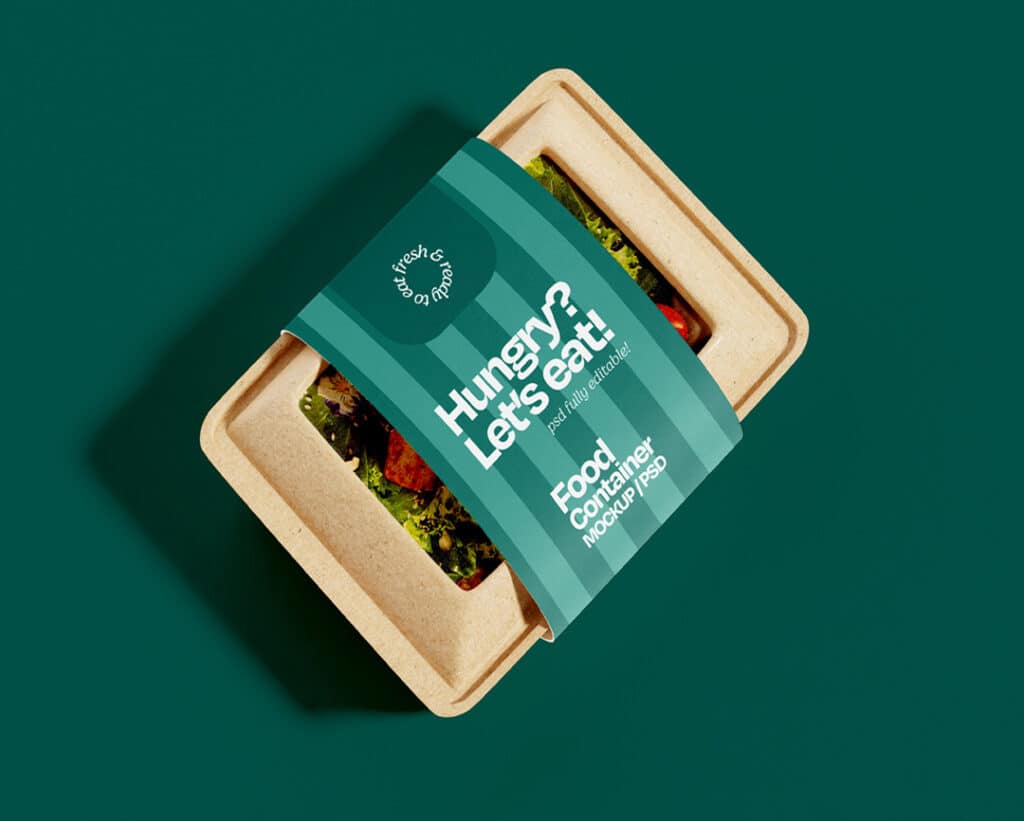
Lightweight, versatile, and widely recycled. A cardboard box is the go-to for retail packaging, product cartons, and sleeves. Cardboard takes print well, folds cleanly into folding cartons, and works for everything from cosmetic packaging to confectionery. Most custom packaging for small businesses starts here because it balances cost, quality, and sustainability.
Corrugated board
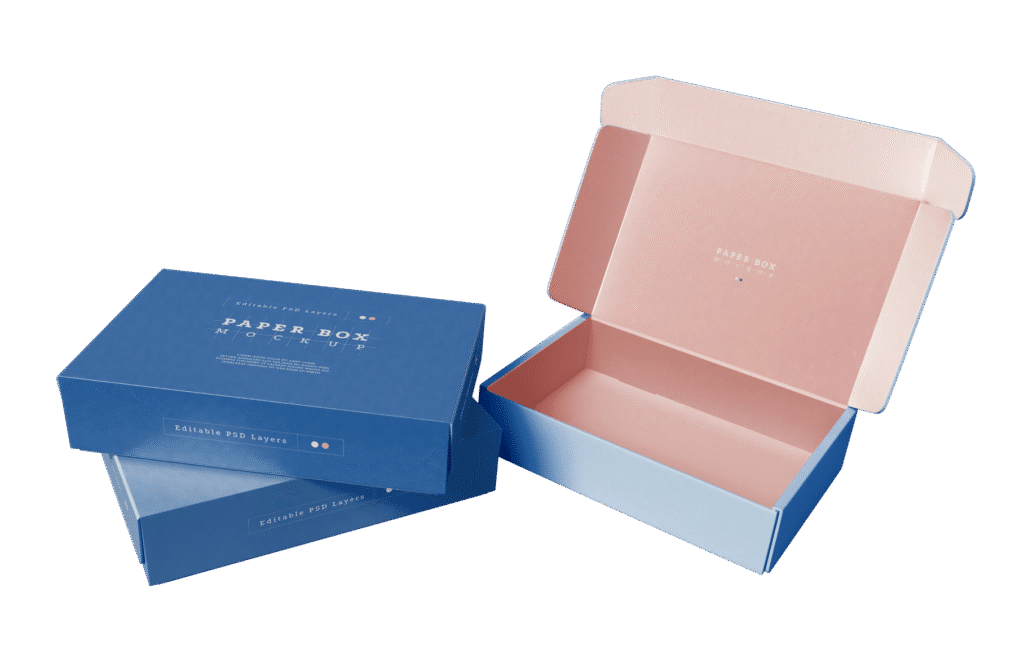
The workhorse of the packaging industry. Corrugated board has a fluted layer sandwiched between flat liners, which gives it strength and cushioning. Single-wall corrugated is enough for most e-commerce shipments, while double-wall handles heavier items. If you are posting products to customers, corrugated mailer boxes are likely part of your setup already.
Kraft paper
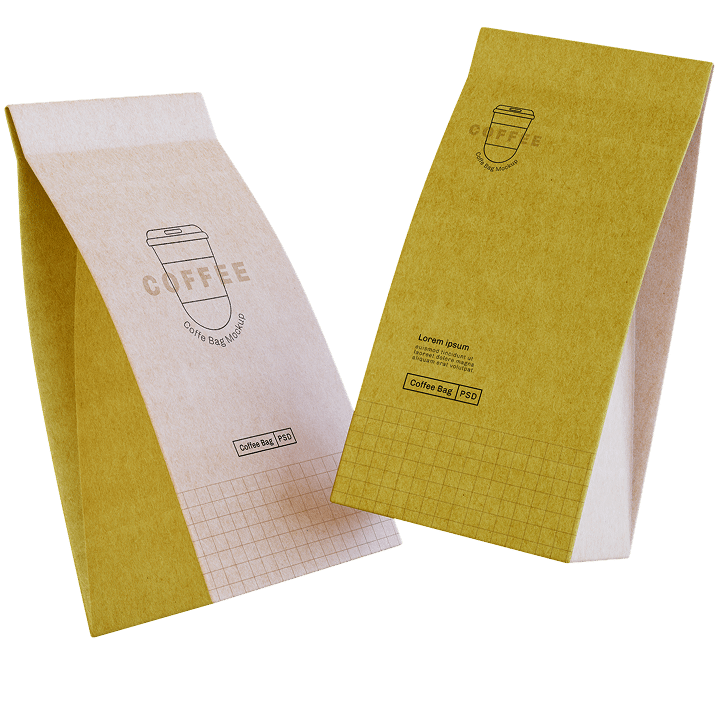
Strong, natural-looking, and 100% recyclable. Kraft paper is popular with brands that want an eco-friendly, rustic aesthetic. It is used for wrapping, void fill, paper bags, and as the outer layer on many custom boxes. Brown kraft has become synonymous with sustainable, artisan branding across many sectors of the packaging industry.
Rigid board
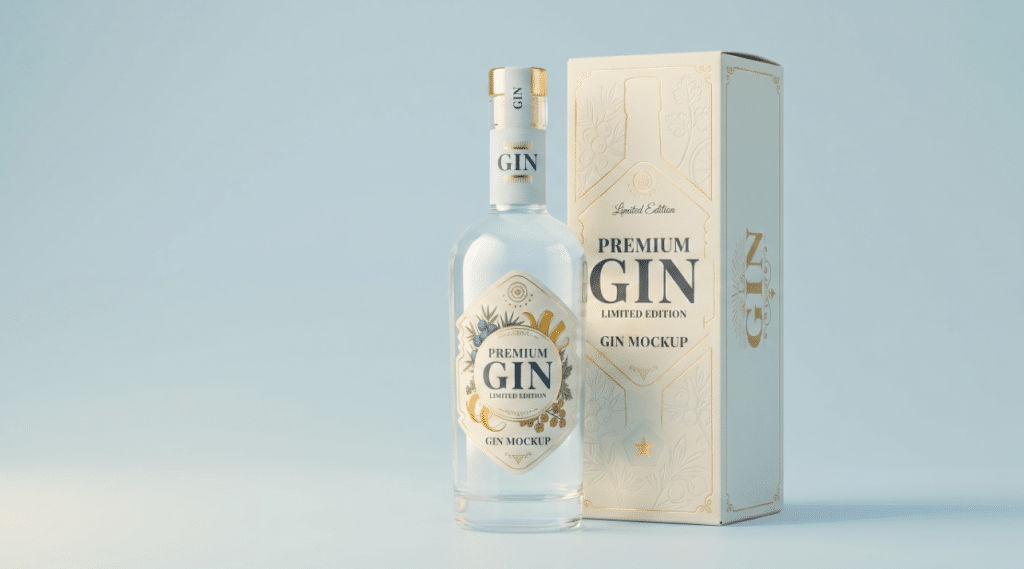
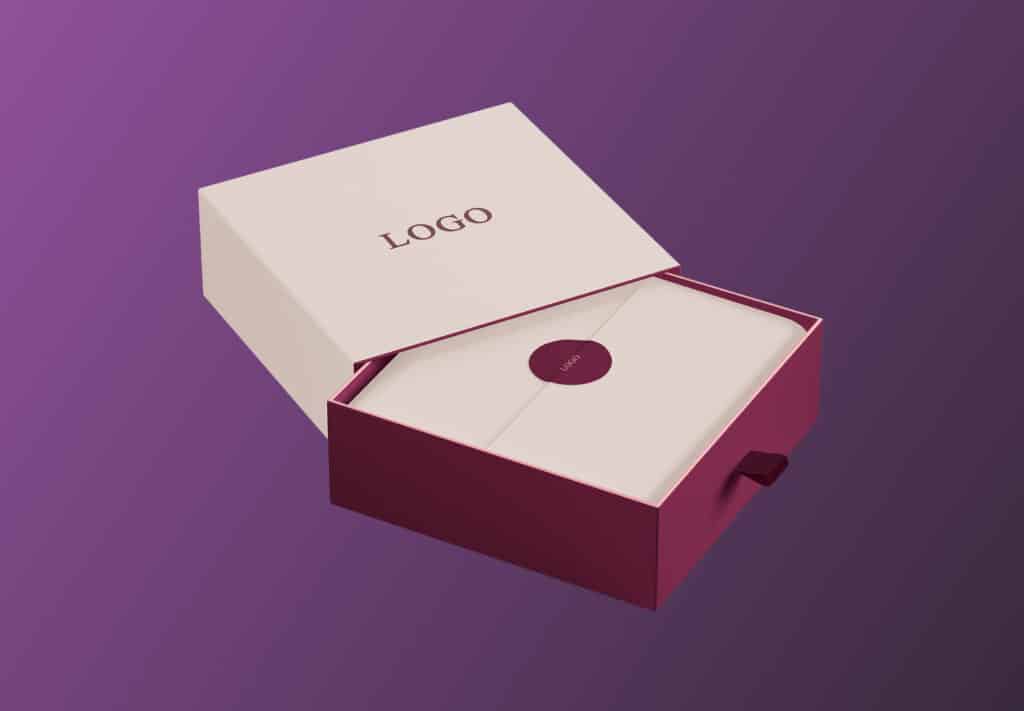
Thick, sturdy, and premium. Rigid board (sometimes called greyboard wrapped in printed paper) is what you find in high-end gift boxes, luxury cosmetic packaging, and presentation sets. It holds its shape permanently and feels substantial in the hand. The trade-off is cost, as rigid boxes are more expensive to produce and ship than folding cartons.
Plastic packaging materials
Plastic remains widely used across the packaging sector, particularly for products that require protection from moisture or need to insulate contents from temperature changes. Common plastic packaging materials include polyethylene (PE), which is used in plastic film, bags, and shrink wrap, and polypropylene (PP), which appears in trays, containers, and clear packaging. Polystyrene is sometimes used for protective inserts, though its environmental impact has made it less popular.
While much packaging is still made of plastic, the industry is shifting. Many businesses now choose a combination of materials or move away from plastic entirely where the product allows it.
Flexible packaging
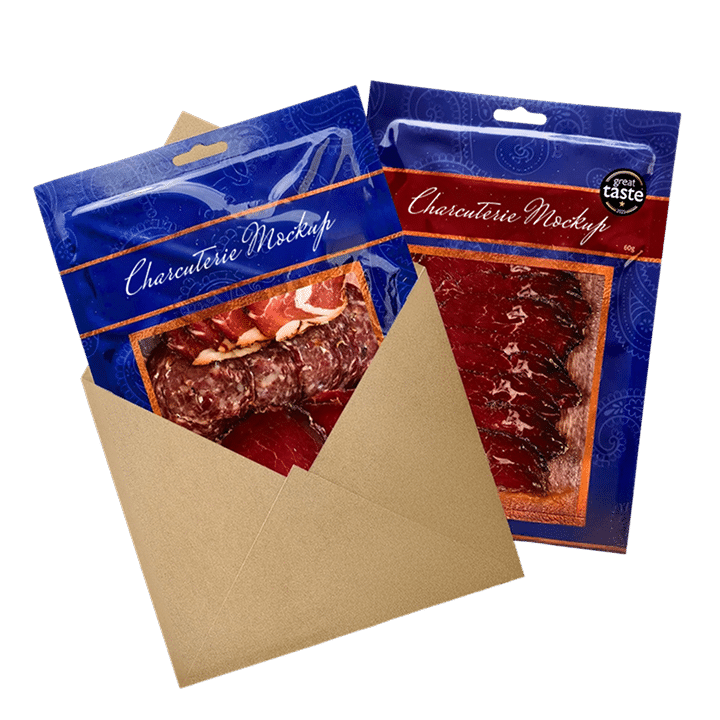
Pouches, sachets, bags, and plastic film fall under flexible packaging. These materials change shape around the product and take up less space, which makes them efficient for food, coffee, snacks, and small accessories. Many flexible formats offer strong barrier properties that protect against moisture and oxygen, extending shelf life. Flexible packaging is growing fast across the packaging sector, though recyclability varies depending on the materials used.
Glass and metal
Glass jars and bottles offer a premium feel and are endlessly recyclable. Metal cans and tins provide excellent protection and long shelf life. Both are common in food, drink, and cosmetics, but they add weight and shipping cost. Most businesses using glass or metal still need a cardboard outer box or carton for shipping protection.
How packaging and brand identity work together
Packaging is one of the most powerful branding tools available to a product-based business, and it is the one most small businesses underinvest in. The packaging design process shapes how customers perceive your brand before they even try what is inside.
Think about the brands you admire. Apple’s clean white boxes. Glossier’s pink bubble pouches. Even a bag of specialty coffee from your local roastery, the kraft pouch with a simple label and a one-way valve. These are all deliberate choices where packaging and packaging design reinforce what the brand stands for.
You do not need Apple’s budget to achieve this. Custom packaging is more accessible than ever, with options starting from a single unit if you are testing a new product or running a small batch. The key is consistency. Your packaging should match your website, your social media, and the quality of your product. When everything lines up, customers notice and customer satisfaction follows.
Environmental impact and sustainable packaging
The environmental impact of packaging is something the whole packaging industry is reckoning with. Consumers increasingly expect environmental responsibility from the brands they buy from, and regulations are moving in that direction too. Understanding the life cycle assessment of your packaging materials (how much material and energy goes into producing, transporting, and disposing of them) helps you make smarter choices.
But “sustainable packaging” gets thrown around a lot, so here is what it actually involves.
Recyclable materials
Recyclable means the material can be processed and remade into new products through standard recycling facilities. Cardboard, paper, glass, and metal are all widely recyclable across the UK. Some plastics are too, but not all, and this is where confusion creeps in.
Compostable materials
Compostable means the material breaks down into natural elements under composting conditions. This sounds great, but most compostable packaging needs industrial composting facilities, which are not universally available. Check what your local council actually accepts before marketing your packaging as compostable.
FSC and PEFC certified materials
FSC or PEFC certification means the paper or board comes from responsibly managed forests. This is one of the most straightforward sustainability credentials because it is backed by independent certification and easy for customers to verify.
Some materials are marketed as biodegradable, but this term is less regulated than recyclable or compostable, so check what it actually means in practice. Where possible, choose materials that can be reprocessed through existing recycling infrastructure rather than relying on specialist facilities.
The most practical approach for most small businesses is to use recyclable materials from certified sources, minimise unnecessary packaging layers, and be honest about what your packaging is and is not. Customers respect transparency and environmental responsibility far more than vague “eco-friendly” claims.
Choosing packaging for your type of product
Choosing packaging starts with understanding your type of product and how your packaging needs to perform. Here are the questions worth asking.
What does your product need?
Start with protection. Is your product fragile, heavy, perishable, or liquid? Does it need to insulate against temperature changes? A handmade candle needs different packaging to a cotton t-shirt. Work backwards from what the product needs to arrive safely, and build your packaging around that.
Where will it be sold?
Retail shelves demand shelf appeal, so your packaging needs to stand up (literally), catch the eye, and communicate quickly. E-commerce packaging needs to survive the postal system and deliver a strong unboxing experience. Some products need both. A well-thought-out packaging design accounts for every context your product will appear in, including how the label is affixed to the product.
What is your budget?
Custom packaging costs more than off-the-shelf options, but not as much as most people expect. A printed mailer box might cost a few pounds per unit in small quantities. The real question is what poor packaging costs you in damaged goods, returns, and lost repeat customers. When you factor those in, investing in proper packaging often pays for itself.
How many do you need?
This used to be the biggest barrier for small businesses. Traditional packaging suppliers often require minimum orders of 500, 1,000, or even 5,000 units, because their packaging lines are set up for large volumes. That is a lot of capital to tie up when you are still testing a product. Today, custom packaging with no minimum order is available, which means you can order 50 boxes for a market launch and 500 more when you know the product works.
Does it reflect your brand?
Hold your current packaging in your hands. Does it feel like your brand? Does it match your website and social media? Would you be proud if a customer posted a photo of it? If the answer is no, it might be time for an upgrade.
Packaging for e-commerce in the digital age
E-commerce has changed what packaging needs to do. When you sell through a shop, your product sits on a shelf and the packaging catches someone’s eye. When you sell online, the packaging needs to survive a journey through the postal system and still create a strong first impression when it arrives at the customer’s door.
E-commerce packaging also needs to work harder at brand communication because there is no shop assistant, no display, and no point-of-sale context. Your packaging is the first and only physical interaction your customer has with your brand. That is why so many online businesses are investing in the unboxing experience, because in the digital age, including packaging that feels personal and thoughtful drives customer loyalty and repeat purchases.
The packaging process for e-commerce often combines secondary and tertiary packaging into a single solution. A well-designed mailer box protects the product during transit while also delivering brand impact when opened. This saves material and energy compared to wrapping products in multiple layers.
The packaging process: from design to delivery
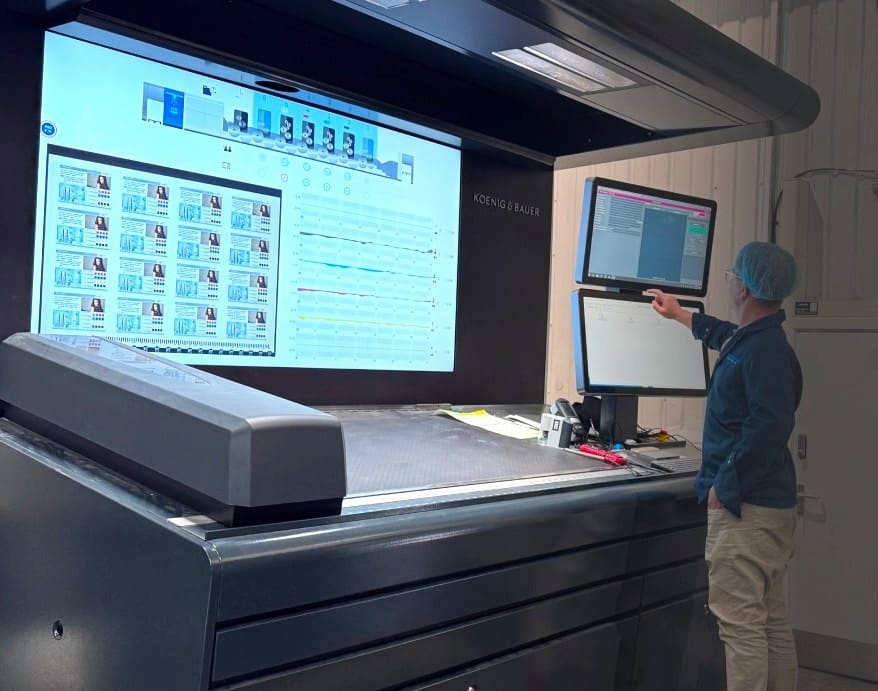
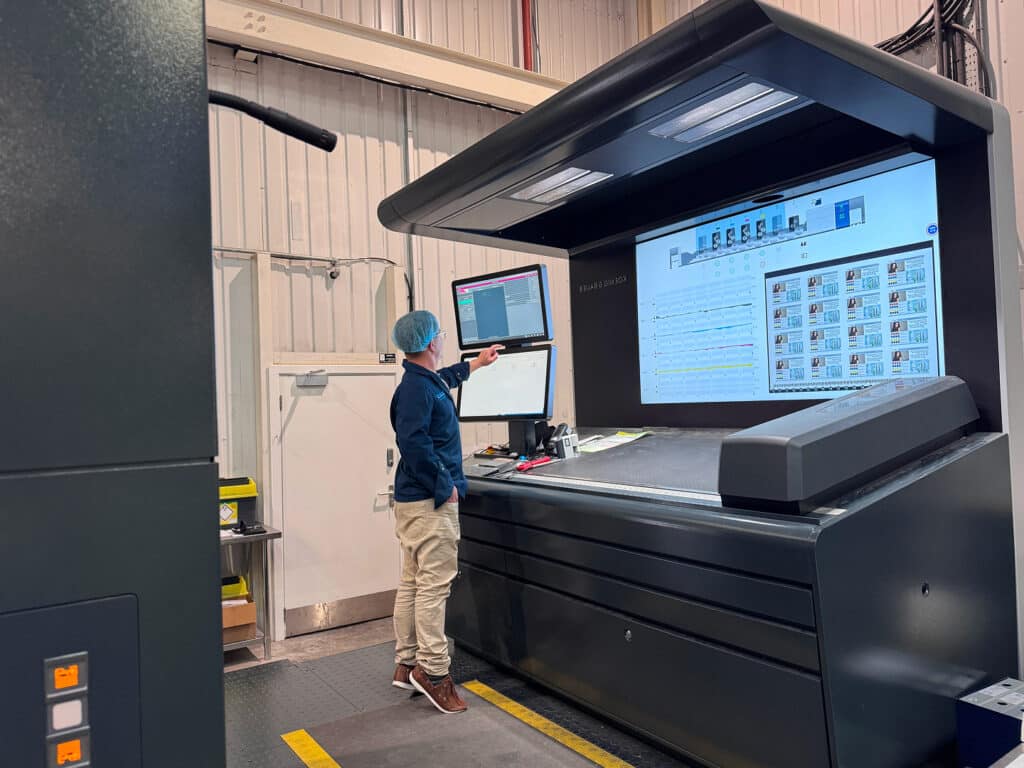
The packaging process covers everything from the initial design process through to the finished packaging line. For most product-based businesses, it starts with choosing a box style and material, then moves into artwork, prototyping, and production.
Packaging may seem straightforward when you are looking at a finished box, but there is more to it than most people realise. You need to consider how the packaging will be assembled (some boxes arrive flat and need folding, while others come pre-glued), how it fits into your packaging line or packing workflow, and how it performs across storage and transport.
The good news is you do not need to figure this out alone. A good packaging supplier will walk you through the design process, help you pick the right box style and material for your product, and handle the technical side of print and production.
If you are not sure where to start, a design consultation is a simple first step. Bring your product, share your ideas, and let someone with packaging experience guide you toward the right solution. Do you need a dieline (the technical template that shows where your box folds and glues)? They will sort that out for you.
Frequently asked questions
What are the three types of packaging?
The three levels are primary packaging (has direct contact with the product), secondary packaging (groups or presents the product), and tertiary packaging (used for shipping and logistics). Most products use at least two levels. An e-commerce order, for example, might have the product in a pouch (primary) inside a branded mailer box (secondary) that also serves as the shipping container.
What is the difference between packaging and labelling?
Packaging refers to the physical container or material that encloses and protects a product. A label is the printed information affixed to that packaging, covering things like ingredients, usage instructions, and brand identity. In practice, packaging and labelling work together, as the label is part of the overall packaging design and packaging must carry the right label information to meet regulatory requirements.
Why is good packaging important for small businesses?
Good packaging protects your product, shapes how customers perceive your brand, and influences whether they buy from you again. For small businesses competing against larger brands, thoughtful packaging can be a genuine differentiator across many sectors. It shows customers you care about quality at every stage, builds customer loyalty, and can even reduce returns by keeping products safe.
What packaging materials are most sustainable?
Cardboard and paper are the most widely recycled packaging materials in the UK. When sourced from FSC or PEFC certified forests and printed with vegetable-based inks, they are one of the most practical sustainable choices. Glass and metal cans are also endlessly recyclable but add weight and cost. The environmental impact depends on the full life cycle, including material and energy used in production.
Do I need custom packaging or can I use off-the-shelf boxes?
Off-the-shelf boxes work fine when you are starting out and testing your product. But as your brand grows, custom packaging helps you stand out, reduces waste (because boxes fit your product properly), and creates a more professional customer experience. You can start with a simple branded label on a plain box and work up to fully custom packaging as your budget allows.
How much does custom packaging cost?
It depends on the material, size, print complexity, and quantity. A basic printed mailer box might cost a couple of pounds per unit in small runs, with the price per unit dropping as quantities increase. Many suppliers in the packaging sector now offer small-run custom packaging with no minimum order, so you can test before committing to larger volumes.
Ready to upgrade your packaging?
Whether you are preparing goods for your first launch or rethinking packaging across an entire range, the right packaging makes a real difference to how your brand is received. Packaging protects what you have made, tells your story, and gives customers a reason to come back.
At Custom Pack Studio, we make custom packaging accessible to businesses of all sizes across many sectors. No minimum order, 100% recyclable materials, and a friendly team ready to help you find the right solution. Get in touch for a free quote or start designing your packaging today.