

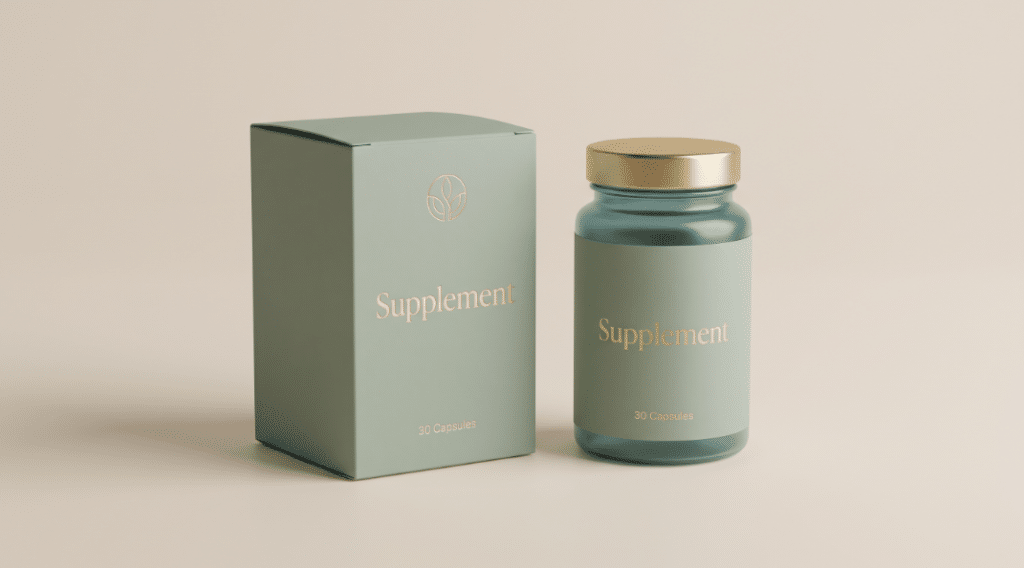
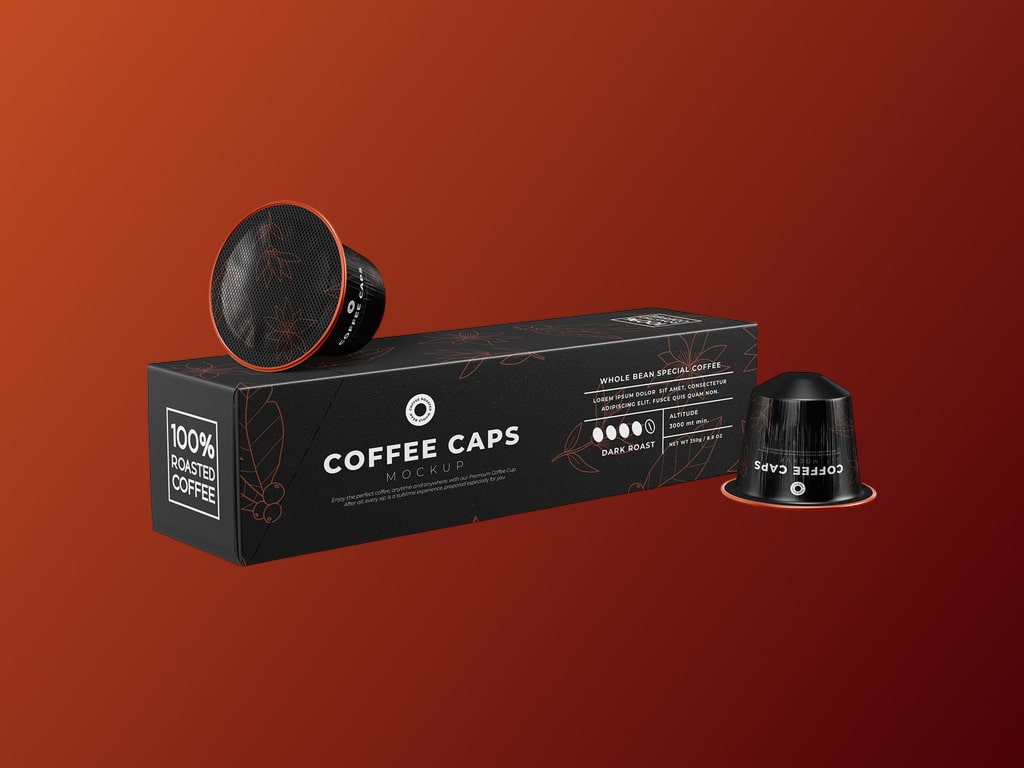
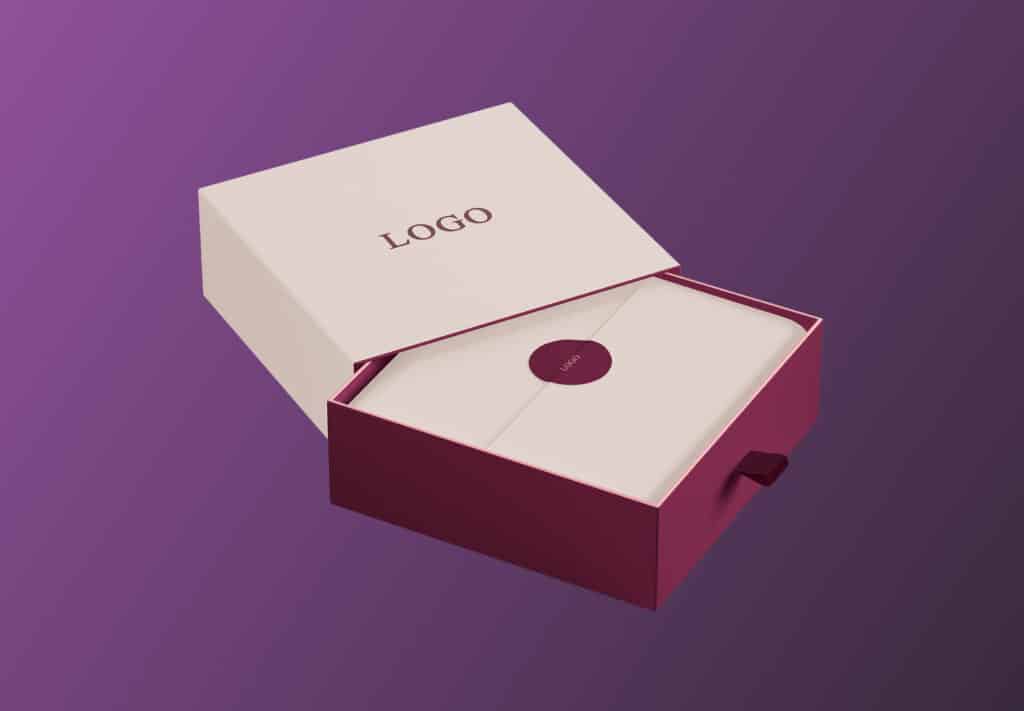

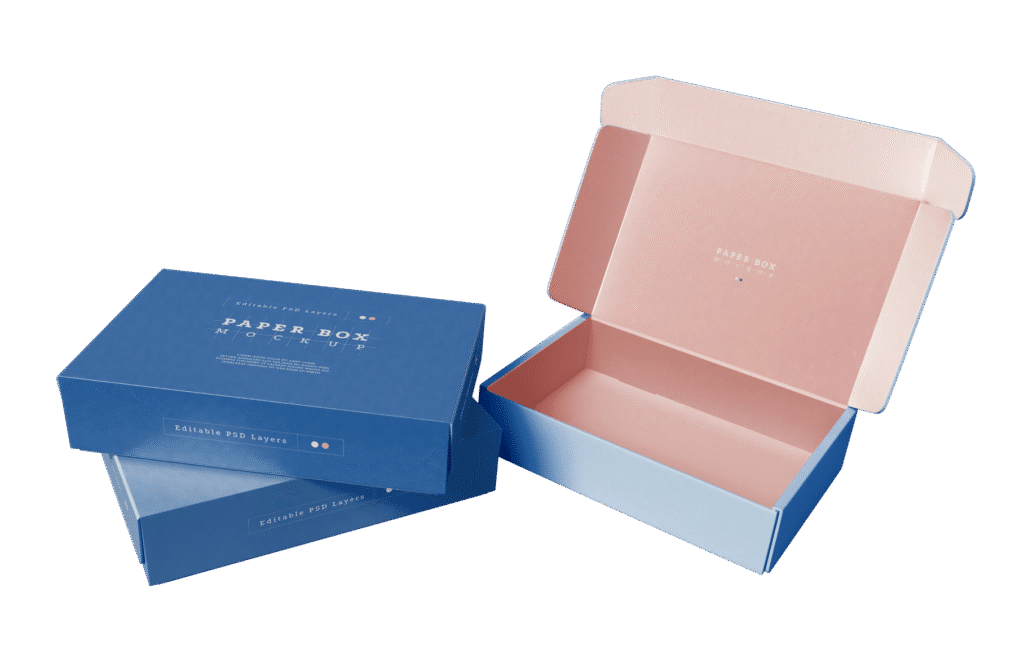


You’ve approved the design, signed off on the artwork, and your packaging is almost ready to print.
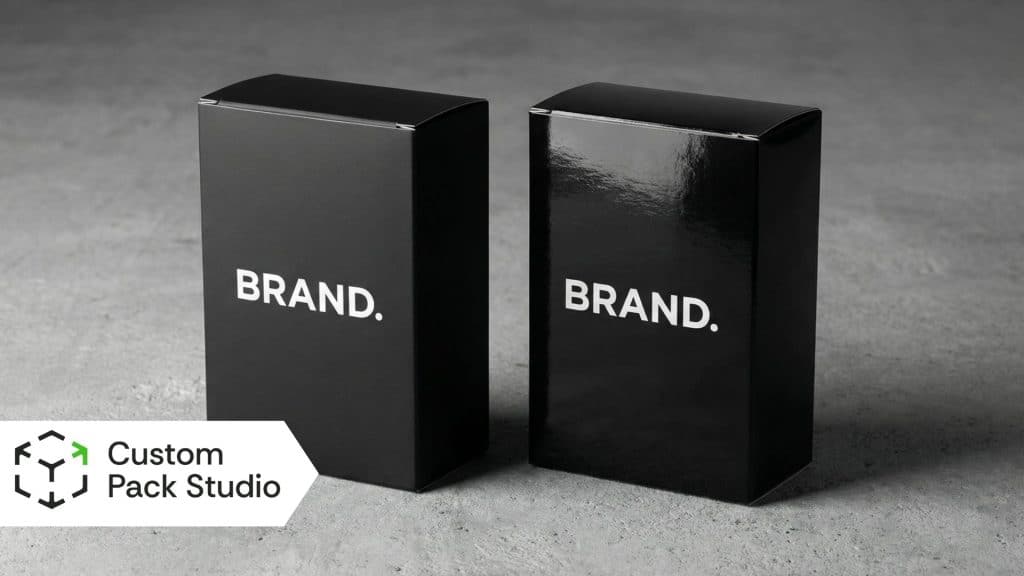
Then someone asks: matte or gloss lamination?
It sounds like a small decision, but the finish you choose changes how your packaging looks, feels, and holds up over time.
Pick the wrong one and your boxes might show every fingerprint from the warehouse to the customer’s door. Or worse. Your carefully chosen colours could look flat and lifeless on the shelf.
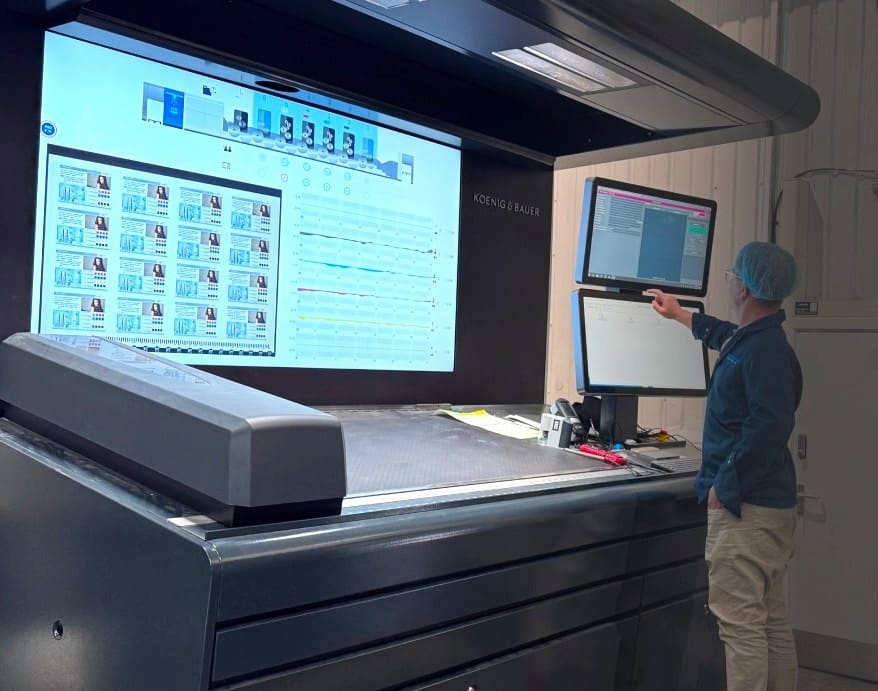
We laminate thousands of boxes every month at our production facility in Irvine, so we see both finishes in action across every type of product.
Here’s what you actually need to know.
What does lamination do? – By Glasgow packaging supplier experts
Lamination is a thin plastic film (usually BOPP, which stands for biaxially oriented polypropylene) that’s bonded to the printed surface of your packaging using heat and pressure.
It does two things: it protects the print from scuffing, moisture, and handling damage, and it changes the look and feel of the finished box.
Without lamination, printed cardboard is vulnerable.
The ink can rub off during transit, colours fade faster, and the surface marks easily.
Most custom packaging uses some form of lamination, and the choice almost always comes down to matte or gloss.
What is matte lamination?
Matte lamination gives your packaging a smooth, non-reflective surface that absorbs light rather than bouncing it back.
Run your finger across a matte-laminated box and you’ll feel a soft, almost velvety texture.
It’s subtle, understated, and tends to make packaging feel more expensive than it actually is.
Colours appear slightly softer under matte lamination because the film diffuses light instead of reflecting it.
Blacks look deeper and richer, while bright colours lose a touch of their punch.
That trade-off is exactly why luxury brands lean towards matte: it signals quality without shouting.
The practical advantage is fingerprint resistance.
Matte surfaces don’t show grease marks, smudges, or dust the way gloss does, which matters if your boxes are being handled repeatedly before they reach the customer.
Cosmetics packaging, subscription boxes, and artisan food products all benefit from this.
What is gloss lamination?
Gloss lamination does the opposite.
It creates a shiny, reflective surface that amplifies colour saturation and makes images look sharper. If your packaging has bold photography or vivid branding, gloss will make those elements stand out.
The finish feels slick and smooth to the touch.
It catches the light, which gives packaging strong shelf appeal in retail environments where you’re competing for attention.
Think confectionery boxes, toy packaging, or promotional gift sets where the design needs to grab someone from across the room.
Gloss also offers slightly better scuff resistance than matte in most cases.
The shiny surface is easier to wipe clean, which helps if your boxes are stored in dusty environments or transported without outer cartons.
On the flip side, every fingerprint and smudge is visible. Particularly on darker colours like navy, black, or deep red.
How do they actually compare?
Rather than listing generic pros and cons, here’s how the two finishes stack up on the things that matter most when you’re choosing packaging for a real product.
Appearance
Gloss makes colours look more saturated and images look crisper.
If you’ve invested in photography for your packaging design, gloss will show it at its best. Matte tones colours down slightly but adds a sense of sophistication that gloss can’t match.
Neither is objectively better; it depends on the impression you want to create.
For another way to enhance your appearance of the product, consider stickers and labels.
Touch and feel
Matte wins on tactile quality.
The soft, smooth texture feels premium and encourages people to pick up and hold the box, which is why it works so well for unboxing experiences where the packaging is part of the product story.
Gloss feels slick and polished but doesn’t have the same “I want to keep touching this” quality.
Fingerprints and handling
This is where matte has a clear practical advantage.
If your packaging passes through multiple hands (warehouse staff, retail workers, the customer), matte hides the evidence.
Gloss shows every touch, especially on dark colours.
For products that sit on shelves being picked up and put down by shoppers, this matters more than most people expect.
Durability
Gloss lamination is marginally more resistant to surface scuffs and scratches because the reflective film is slightly harder.
Matte can show scratch marks more visibly, though the scratches themselves aren’t deeper. Both offer good moisture resistance and protect the print underneath from fading.
In practice, the durability difference between the two is small enough that it shouldn’t be the deciding factor.
Readability
If your packaging has a lot of text (ingredients lists, instructions, regulatory information), matte is easier to read because it doesn’t create glare under shop lighting or camera flash.
Gloss can be hard to read in certain lighting conditions, which is worth considering if customers need to actually read your packaging before buying.
Cost
Gloss lamination is typically a little cheaper than matte, though the difference is marginal on most packaging orders.
You might see a difference of a few pence per unit on larger runs.
At the quantities most small businesses order, the price difference between matte and gloss is rarely enough to influence the decision either way.
Which finish suits which products?
After producing packaging across dozens of industries, some patterns are clear.
Matte works well for
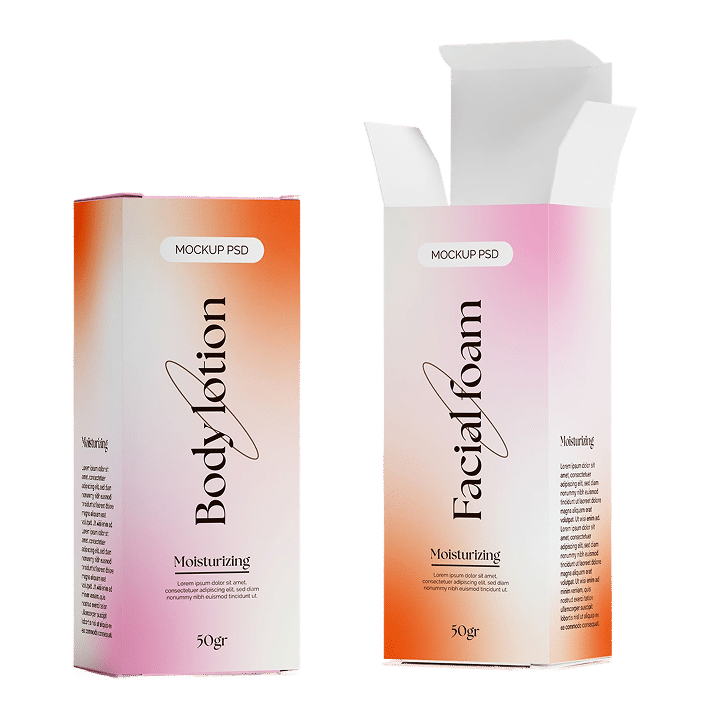
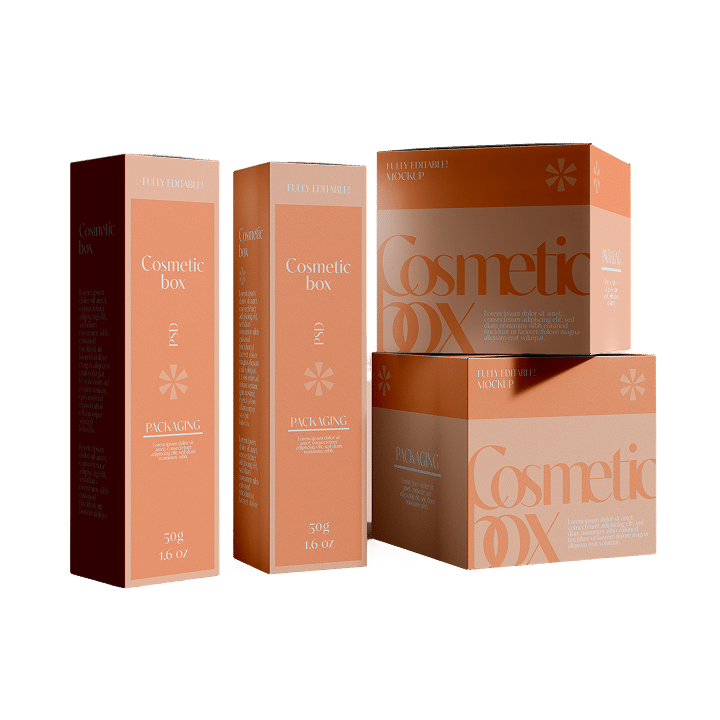
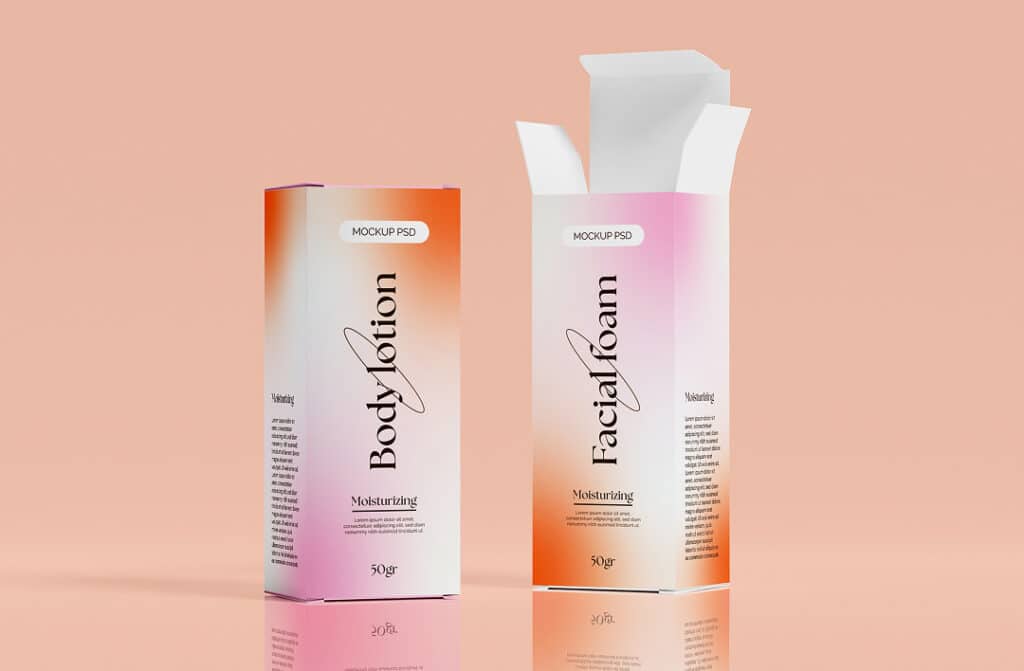
Cosmetics and skincare packaging almost always looks better in matte.
The soft finish complements the clean, minimal design aesthetic that dominates the beauty industry, and it hides the fingerprints that are inevitable when products sit on bathroom shelves and dressing tables.
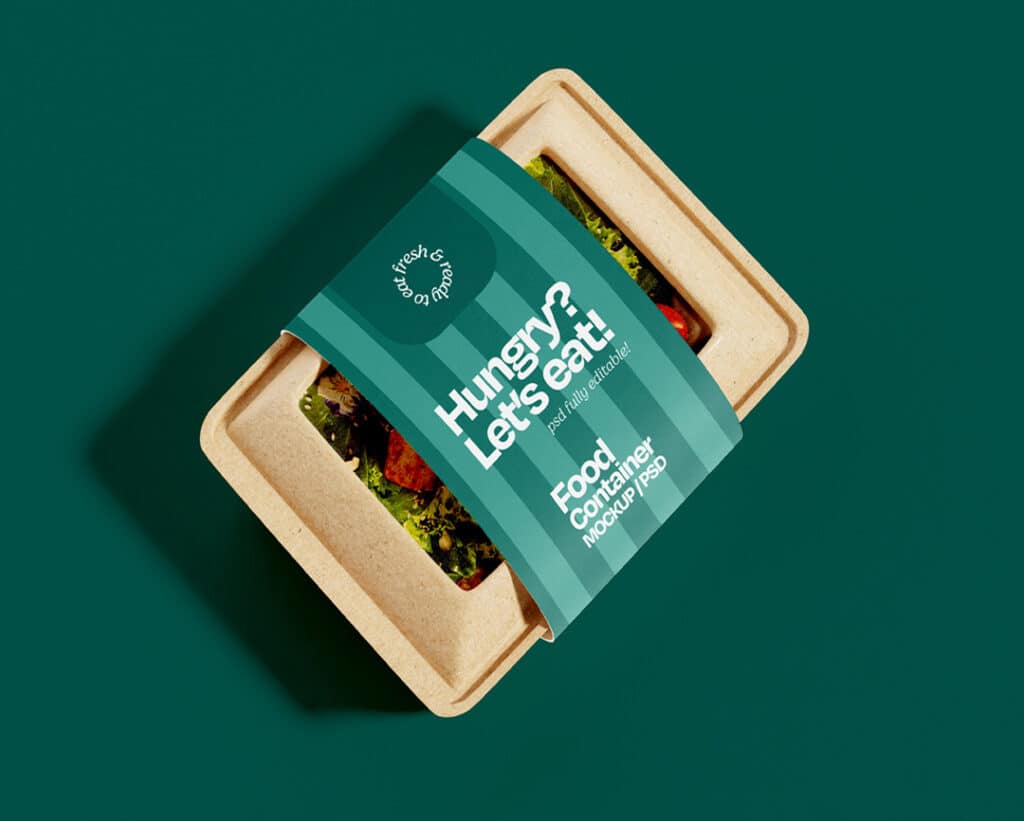
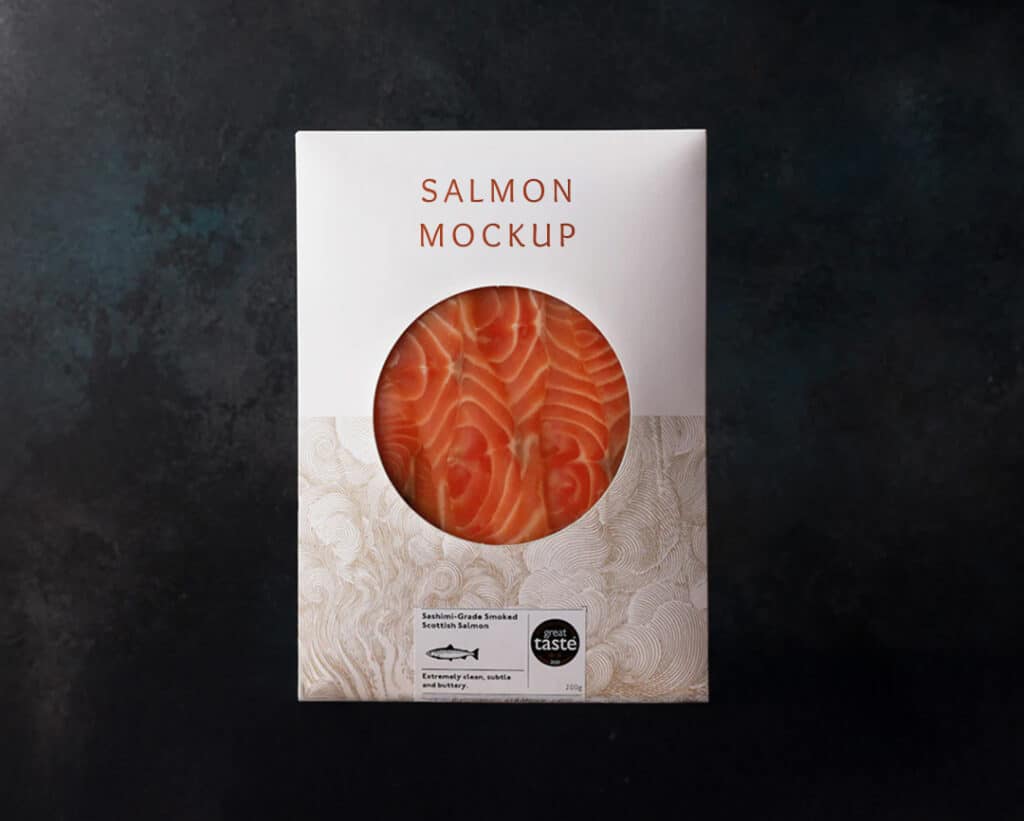
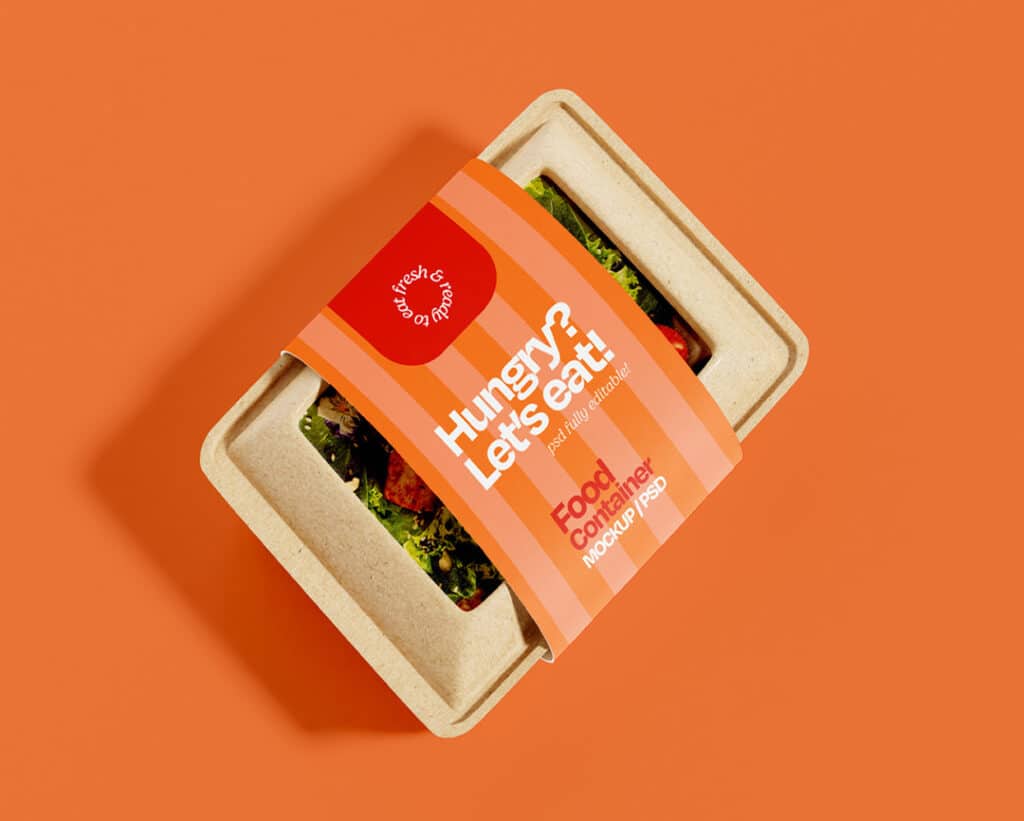
Artisan food and drink packaging benefits too, particularly for products positioned as premium or handcrafted.
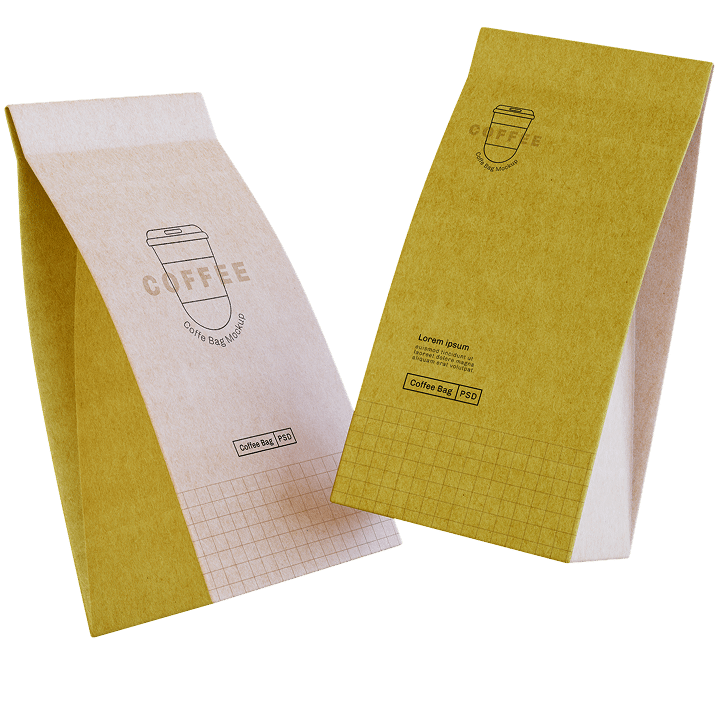
A matte-finished box of chocolates or a coffee subscription box feels considered and intentional in a way that gloss doesn’t quite capture.
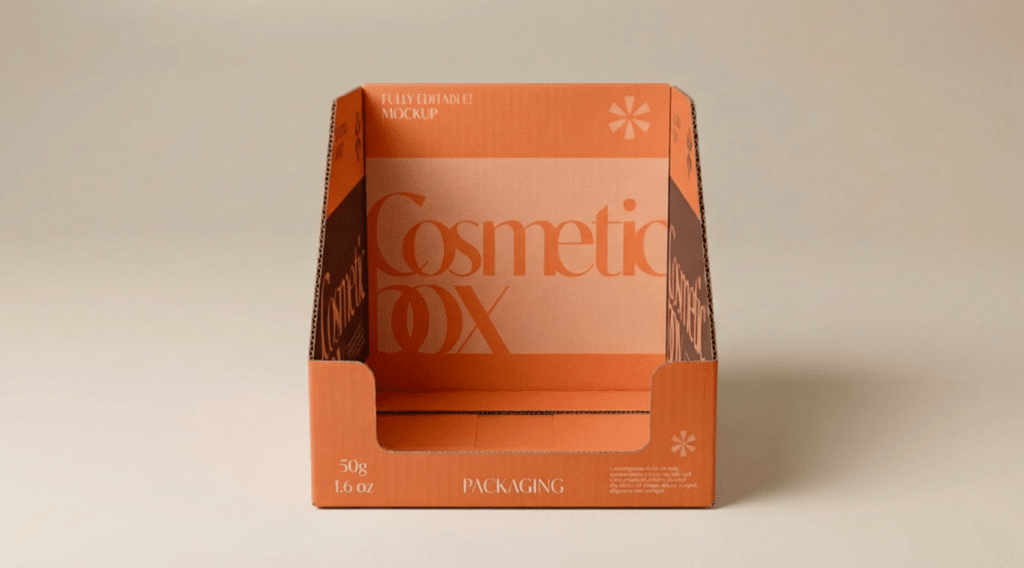
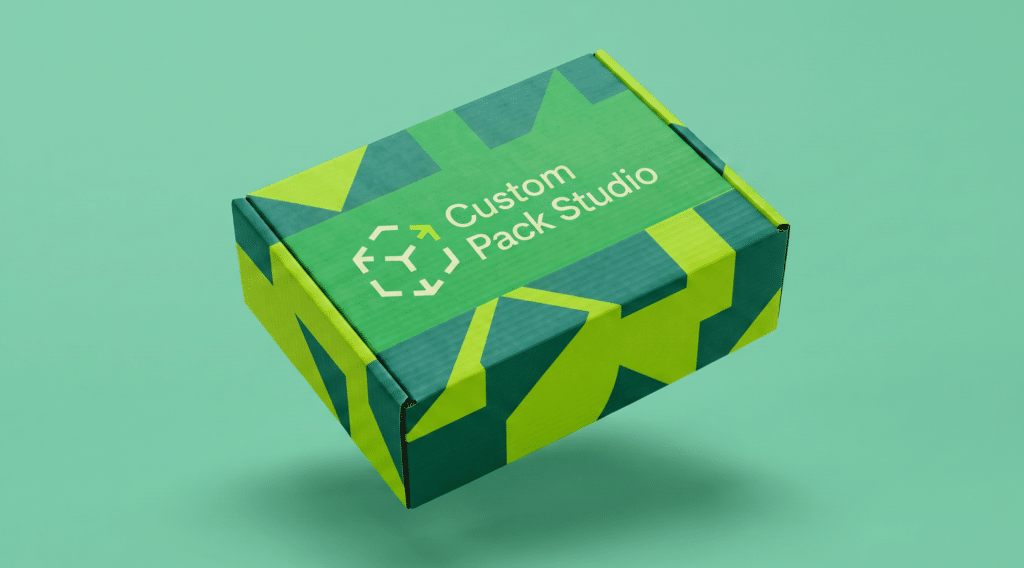
Perfect for mailer and shipping boxes.
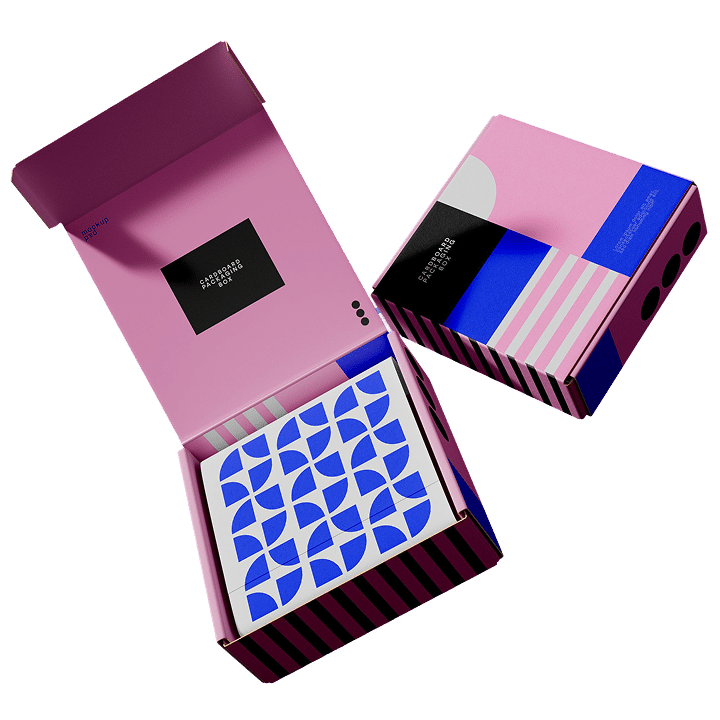
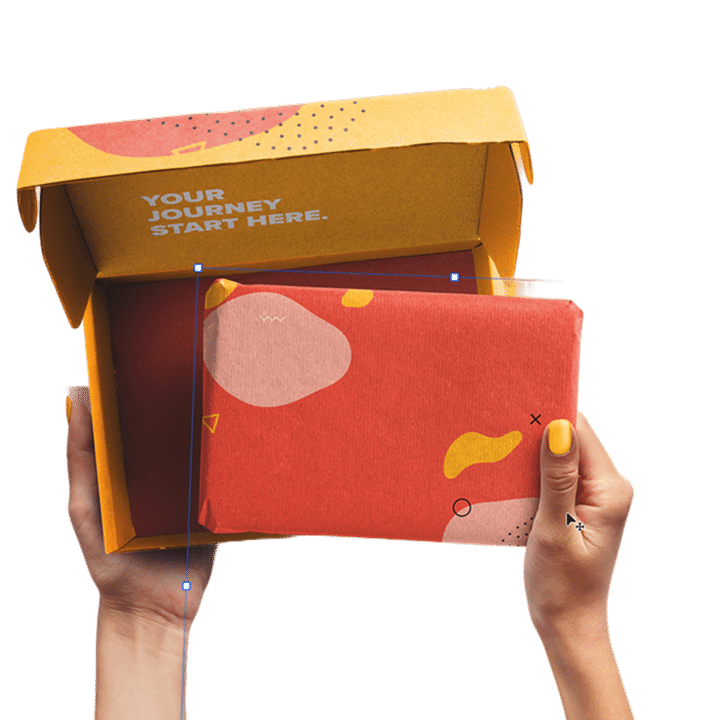
Custom packaging for jewellery, candles, and gift items also tends toward matte. When the box itself is part of the gift, the tactile quality matters.
Gloss works well for
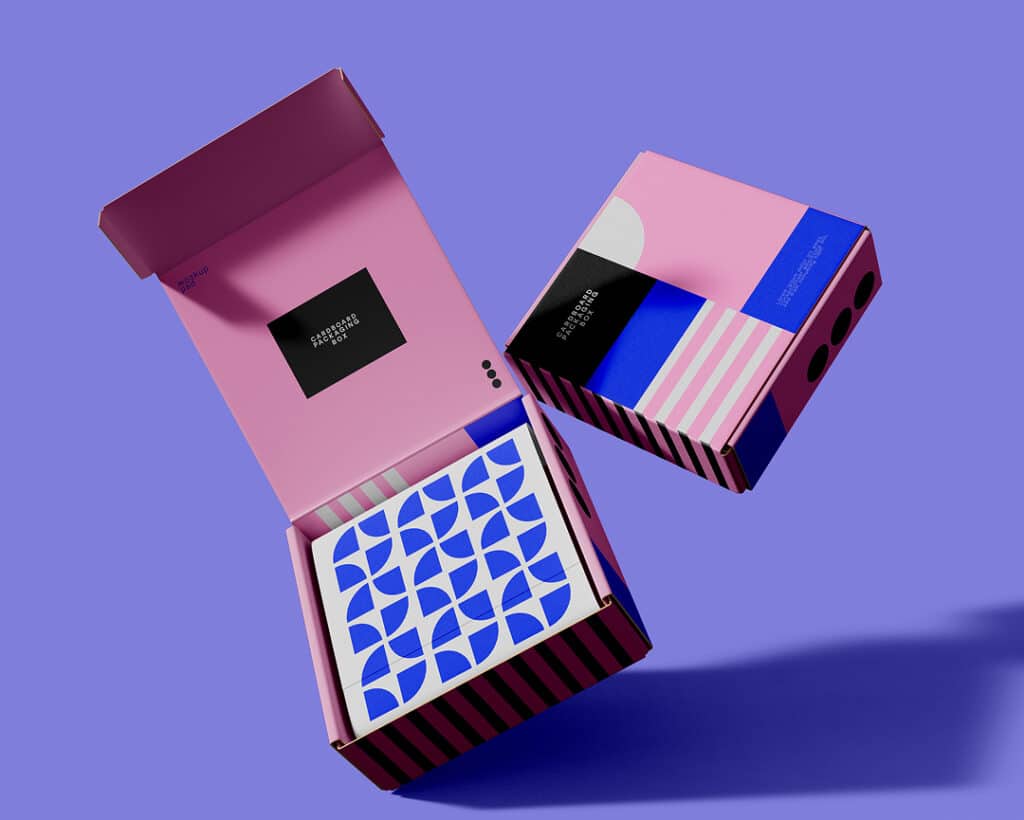
Retail products that need to stand out on crowded shelves benefit from the reflective, attention-grabbing quality of gloss.
Confectionery, children’s products, and seasonal gift packaging all suit the brighter, bolder look.
Products with photography-heavy designs look sharper under gloss because the finish enhances contrast and colour depth. If you’ve invested in a photoshoot specifically for your packaging, gloss will do that investment justice.
Gloss also works well for promotional or event packaging where the box needs to make an immediate visual impression rather than a lasting tactile one.
Can you combine matte and gloss?
Yes, and this is where packaging finishes get genuinely interesting.
Spot UV is a technique where a gloss varnish is applied to specific areas of a matte-laminated surface.
The contrast between the soft matte background and the shiny raised elements (usually a logo, pattern, or image) creates a striking effect that looks and feels premium.
We see this combination on everything from cosmetics boxes to product packaging designs where the brand wants to highlight a specific element.
The matte base gives you the fingerprint resistance and sophisticated feel, while the spot gloss draws attention exactly where you want it.
You can also combine lamination with embossing or debossing to add a textured, three-dimensional element.
Matte lamination paired with a debossed logo, for example, creates a tactile experience that people genuinely remember. These finishing techniques layer on top of your base lamination choice, so you’re not locked into one or the other.
What about satin and soft-touch lamination?
If you’re torn between matte and gloss, it’s worth knowing there are options in between.
Satin lamination sits halfway, offering a low sheen that’s less reflective than gloss but not as flat as matte. It’s a good compromise when you want some colour vibrancy without the fingerprint issues of full gloss.
Soft-touch lamination (sometimes called velvet lamination) takes the matte concept further.
The surface feels almost like suede, with a texture that’s immediately noticeable when you pick up the box.
It’s more expensive than standard matte, but for premium products where the packaging experience is part of the brand, the extra cost is often worth it.
Perfume boxes, high-end electronics, and luxury food brands use soft-touch lamination to make their packaging feel genuinely different from everything else on the shelf.
Does lamination affect recyclability?
This is a question more of our customers are asking, and rightly so.
Traditional lamination films are plastic, which means a laminated cardboard box isn’t as straightforward to recycle as uncoated card. The plastic film needs to be separated from the paper fibre during the recycling process, and not all facilities handle this well.
That said, the amount of plastic in a lamination film is very small (typically 12 to 25 microns thick), and many UK recycling facilities can process laminated board through their standard paper streams. The lamination burns off or separates during repulping.
If sustainability is a priority for your brand, ask about water-based coatings or aqueous varnishes as alternatives to film lamination.
These provide some protection and finish without the plastic layer, though they don’t offer the same level of scuff resistance or tactile quality. We can talk you through the options and help you balance protection, appearance, and environmental impact for your specific product.
How to choose the right lamination for your packaging
How much will your packaging be handled?
If it passes through many hands before reaching the customer, matte hides the evidence. If it goes straight from your warehouse to a letterbox, fingerprints matter less.
What colours dominate your design?
Dark colours on gloss show every mark. Light, bright colours on gloss look fantastic. Matte is more forgiving across the board.
Where will it be seen first?
Retail shelves with competing products favour gloss for its ability to catch light and draw attention. Direct-to-consumer packaging that arrives in a postal box benefits more from the tactile surprise of matte.
What does your product’s price point say?
Higher-priced products tend to suit matte because the finish reinforces the sense of quality. Value-oriented or playful products often work better with gloss.
And if you’re still unsure, order samples. We can produce sample boxes in both finishes so you can hold them, compare them side by side, and see how your actual design looks on each. That ten minutes of comparison is worth more than any amount of reading about it online.
Frequently asked questions
Is matte lamination more expensive than gloss?
Slightly, but the difference is small. On a typical order of custom boxes, you might see a difference of a few pence per unit. At small-batch quantities, the cost difference between the two is negligible and shouldn’t drive your decision.
Does matte lamination scratch easily?
Matte can show scratches more visibly than gloss because the marks catch the light differently against the non-reflective surface. The scratches themselves aren’t deeper, and for most products handled normally, it’s rarely an issue. Soft-touch lamination is more prone to visible scratching than standard matte.
Can you write on matte laminated packaging?
Yes, most pens and markers write on matte lamination without issues. Gloss lamination is harder to write on because the smooth surface causes ink to bead and smudge. If you need a writable area on your packaging (for personalisation, batch numbers, or gift messages), matte is the better choice.
Which lamination is best for food packaging?
Both matte and gloss lamination are suitable for food packaging, and both meet food safety standards when produced under the right certifications. We’re BRC Global Packaging (High Hygiene) certified, which means our laminated packaging meets the highest food safety standards regardless of finish. The choice comes down to branding rather than safety.
Is laminated packaging recyclable?
Laminated packaging can be recycled through most UK paper recycling streams, though the plastic film adds a step to the process. If recyclability is a top priority, ask about water-based coating alternatives that avoid plastic film entirely.
Need help deciding?
If you’re choosing a finish for your packaging and want to see both options on your actual design, we can help.
We produce custom packaging from one unit upwards, with no minimum order, so you can order samples in both finishes without committing to a full run. Our design team can also advise on which finish works best for your product, your industry, and your budget.
Get in touch for a free quote or call us on 01294 314 919 to talk it through.