


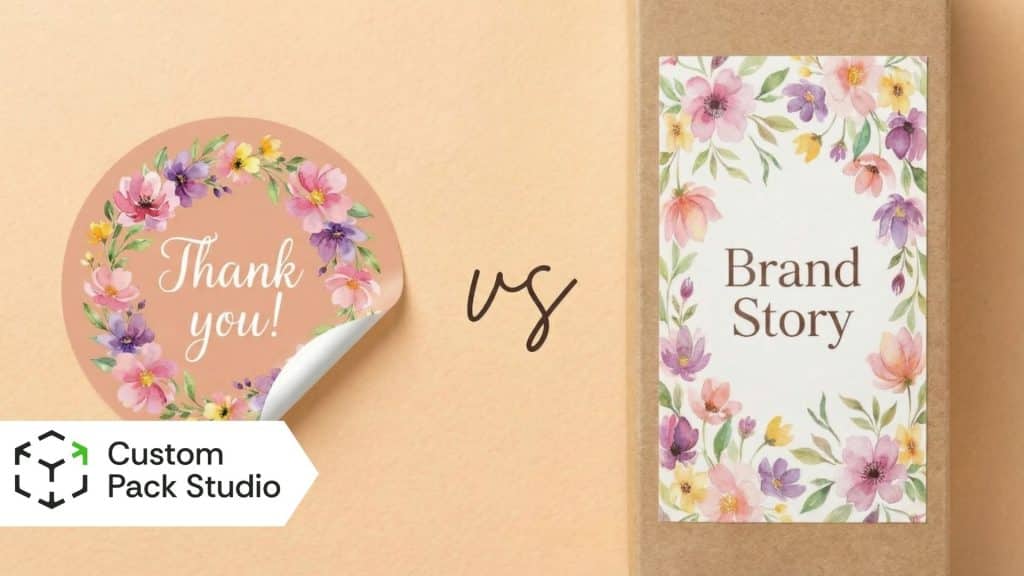
Walk into any small business forum and someone will ask: “Do I need stickers or labels for my products?”
The answers are always contradictory, and that’s because the terms are used interchangeably when they shouldn’t be.
Stickers and labels are both adhesive-backed printed materials, but they serve different purposes, use different materials, and play different roles in your packaging and branding.
Getting the distinction right saves you money and makes sure the right product ends up on the right surface.
The short answer – from Glasgow packaging supplier experts
Labels are functional.
They go on your product or packaging to communicate information. What’s inside, who made it, how to use it, and anything else the customer (or the law) needs to know.
They’re designed to stay put permanently and look like an integrated part of your packaging.
Stickers are promotional.
They’re standalone items that build brand awareness, get shared, stuck on laptops, water bottles, and notebooks, and generally act as a mini marketing tool.
They’re thicker, more durable, and designed to work as their own thing rather than as part of a product.
Both are printed, both have adhesive backs, and both feature your branding.
The difference is in how they’re used, what they’re made from, and what they’re designed to survive.
What are product labels?
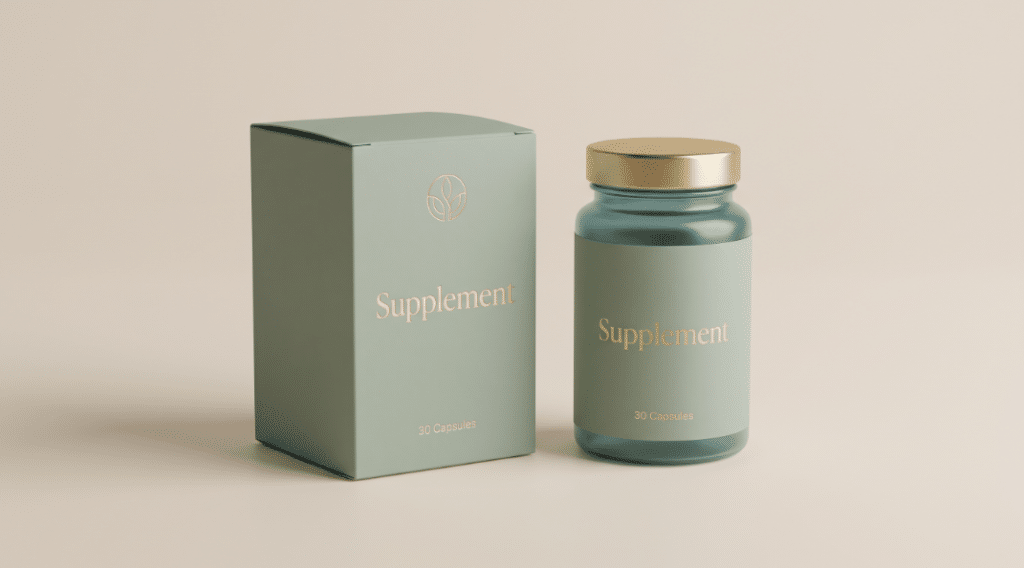
Product labels are the printed adhesive materials applied directly to your packaging, bottles, jars, boxes, or products during the packing process.
They carry the information your customers need and, in many cases, the information that UK regulations require.
A food product label, for instance, must include:
- ingredients
- allergen information
- nutritional values
- net quantity
- storage instructions
- use-by date
A cosmetics label needs:
- ingredients list (INCI format)
- batch number
- PAO (period after opening) symbol
These aren’t optional extras. They’re legal requirements, and the label is how they get onto your product.
Labels are typically printed on thin, flexible materials like BOPP (biaxially oriented polypropylene), a durable plastic film that resists moisture, oils, and tearing.
They come in rolls for machine application or in sheets for hand application, and they’re designed with permanent adhesive that bonds firmly to the product surface without peeling, bubbling, or lifting over time.
The design priority for labels is clarity and compliance first, branding second.
They need to be legible, accurate, and properly formatted.
That said, a well-designed label absolutely contributes to shelf appeal and brand perception. Plenty of products (craft beer, artisan food, indie cosmetics) treat their labels as a design feature rather than just a legal necessity.
What are stickers?
Stickers are thicker and more robust printed items. They are designed to be given away, sold, or included inside packaging as a brand-building extra.
They’re not part of the product itself. They’re an extension of your marketing.
Most stickers are printed on premium vinyl that’s significantly thicker than label material.
Vinyl gives stickers their durability: they resist water, UV exposure, and general wear, which means they survive on laptops, car bumpers, shop windows, and water bottles for months or years.
Many stickers also have a laminate coating for extra protection and a higher-quality feel.
The design priority for stickers is impact and shareability.
A good sticker makes someone want to peel it off and put it somewhere visible. It’s a small piece of advertising that your customers voluntarily display.
Die-cut stickers (cut to the shape of your design rather than a standard rectangle or circle) are particularly effective).
They look custom and considered.
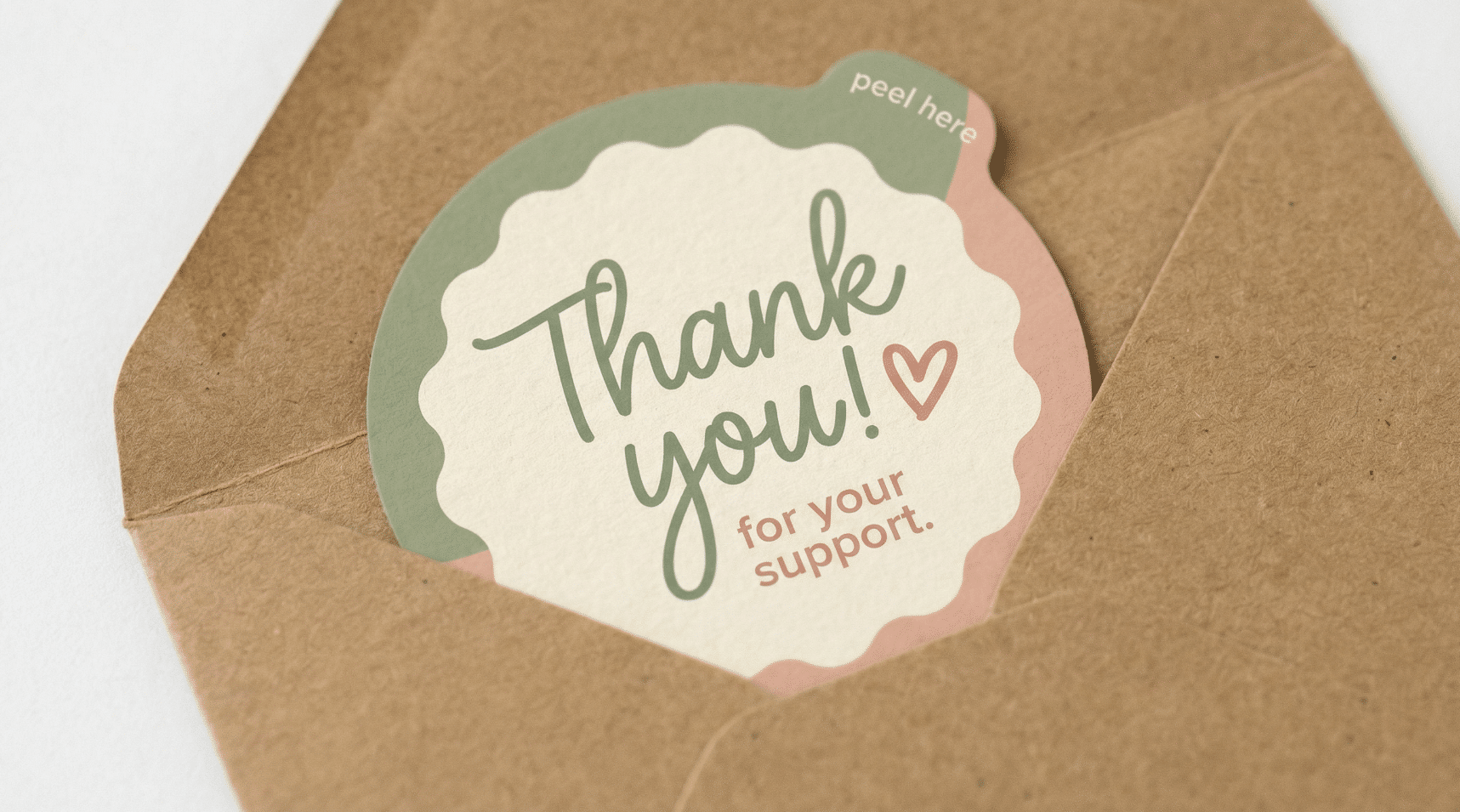
A die-cut logo sticker included in an order feels like a gift rather than marketing, and customers are more likely to use it.
How do the materials differ?
Labels
BOPP film is the standard for product labels because it’s thin, flexible, and resistant to moisture and oils.
It conforms smoothly to curved surfaces like bottles and jars, and it takes print well for fine detail and small text.
White BOPP gives a clean background for colourful designs, while clear BOPP creates the popular “no-label” look where the design appears printed directly onto the container.
Paper labels are also common, particularly for products going for a natural, eco-friendly, or handmade aesthetic.
They’re less durable than BOPP but recyclable and compostable, which matters for sustainability-conscious brands.
Stickers
Vinyl is the go-to material for promotional stickers.
It’s roughly three times thicker than BOPP label stock, which gives stickers a more substantial feel and better durability.
Vinyl stickers can be matte or gloss, and they often include a laminate layer for extra UV and scratch resistance.
For indoor-only stickers (included inside packaging, for example), paper sticker stock works well and is more affordable.
But if you expect your stickers to end up on surfaces exposed to weather, sunlight, or frequent handling, vinyl is the only material that holds up long-term.
Adhesive differences
Labels use permanent adhesive. Once applied, they’re meant to stay.
The adhesive bonds firmly to the surface and is difficult to remove without leaving residue. This is exactly what you want on a product: a label that doesn’t peel, lift, or come off during transit, storage, or use.
Stickers typically use a repositionable or removable adhesive that holds firmly but peels off cleanly when someone wants to move or replace them. This makes them more versatile because customers can apply them to surfaces without worrying about permanent marks.
Some stickers use permanent adhesive too, particularly those designed for outdoor use on vehicles or shop windows.
The choice depends on where the sticker will end up and how long it needs to last.
When to use labels for your packaging
Labels are the right choice whenever you need to add information or branding directly to a product or its packaging. The most common uses include:
Product identification
Your product name, description, and branding applied directly to the packaging. This is what turns a plain box or bottle into a branded product.
Regulatory compliance
Ingredients, allergens, nutritional information, safety warnings, batch codes, barcodes, and any other information required by UK regulations for your product category.
Sealing and tamper evidence
Labels that seal a box or bag closed and show if the packaging has been opened.
Common in food, cosmetics, and health products.
Branding on plain packaging
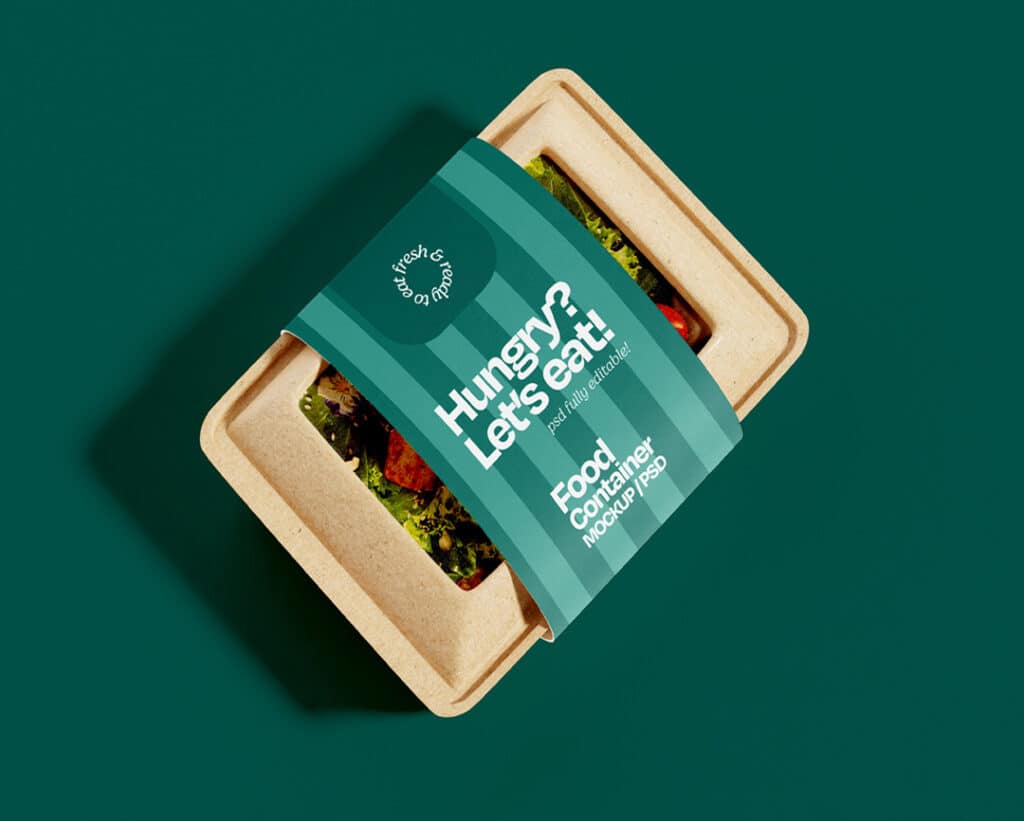
If you’re using unprinted boxes (kraft mailer boxes or shipping boxes, for example), a branded label transforms them into custom packaging at a fraction of the cost of fully printed boxes. It’s a smart approach for businesses testing new products or ordering in small quantities.
When to use stickers for your brand
Stickers work best as a brand-building and marketing tool, separate from your product packaging. Good uses include:
Order inserts
Including a branded sticker inside every order is a small touch that customers love.
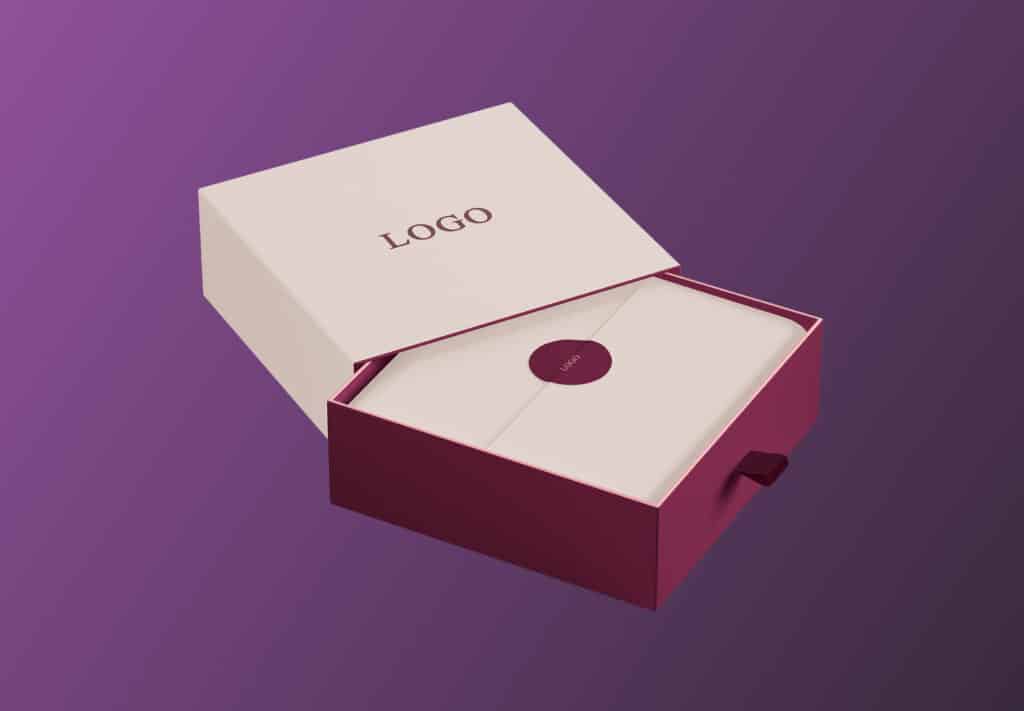
It adds to the unboxing experience and gives your brand visibility wherever the customer sticks it.
Event giveaways
Trade shows, markets, pop-up shops, and launch events are all places where handing out stickers gets your brand into people’s hands (and onto their belongings) for almost no cost per impression.
Retail and window displays
Larger format stickers and decals work as shop window signage, point-of-sale displays, or promotional graphics.
Merchandise
Some brands sell their sticker designs as merchandise in their own right, particularly if the designs are distinctive enough that customers want to display them.
Can you use both?
Absolutely, and most product-based businesses should.
Labels handle the functional side: identifying your product, meeting regulatory requirements, and presenting your brand consistently across your product range.
Stickers handle the marketing side: building awareness, creating goodwill, and turning customers into walking advertisements.
A common setup for an e-commerce brand might look like this: product labels on the items themselves, a branded label sealing the outer box, and a die-cut logo sticker tucked inside with the order as a freebie.
Each one serves a different purpose and collectively they create a cohesive branded experience from the outside of the parcel to the product inside.
How to choose what you need
If it goes on the product or packaging and needs to stay there
You need labels. Order them in rolls if you’re applying in volume, or in sheets if you’re applying by hand.
If it’s a standalone item for marketing, gifting, or brand awareness,
You need stickers. Order die-cut for maximum impact, or standard shapes (circles, rectangles) for cost efficiency.
If you’re not sure
Think about where it ends up. On your product = label. On someone else’s laptop = sticker.
Frequently asked questions
Are stickers and labels the same thing?
They’re both adhesive-backed printed materials, but they differ in purpose, material, and thickness. Labels are functional (product info, compliance) and made from thin, flexible film. Stickers are promotional (brand awareness, marketing) and made from thicker, more durable vinyl.
Can I use stickers as product labels?
You could, but sticker material is thicker than standard label stock, so it may not conform well to curved surfaces. Sticker adhesive may also be removable rather than permanent, which isn’t ideal for a product label that needs to stay put. Use proper label material for product applications.
What are BOPP labels?
BOPP stands for biaxially oriented polypropylene. It’s a thin, durable plastic film that resists moisture, oil, and tearing. It’s the standard material for product labels because it’s flexible enough to wrap around curved surfaces and takes print well for fine detail.
How much do custom labels and stickers cost?
Custom labels typically cost less per unit than stickers because the material is thinner and simpler. Exact pricing depends on size, material, print colours, and quantity. We produce both with no minimum order, so you can order exactly what you need without over-committing.
Do I need both for my business?
If you sell physical products, you’ll almost certainly need product labels. Stickers are optional but highly effective as a low-cost marketing tool. Most of our customers who sell products end up ordering both.
Need custom stickers or labels?
We produce both custom labels with no minimum order, so you can start with a small batch to test your designs.
Our design team can help with artwork if you need it, and we’ll advise on the right material and finish for your specific use case. We can also also advise on different finishes from matte to gloss, to single wall and double wall cardboard.
Get a free quote or call us on 01294 314 919 to discuss what you need.