



Open any e-commerce order and you’ll find something between the product and the box: bubble wrap, packing paper, tissue paper, or some combination.
That filler material (called void fill in the packaging world) does two jobs: it stops your product moving around during transit, and it cushions it against impacts.
The two most common options are packing paper and bubble wrap, and the one you choose affects your costs, your environmental footprint, and what your customer thinks of your brand when they open the box.
What is packing paper? – Advice by professional packaging suppliers in Edinburgh
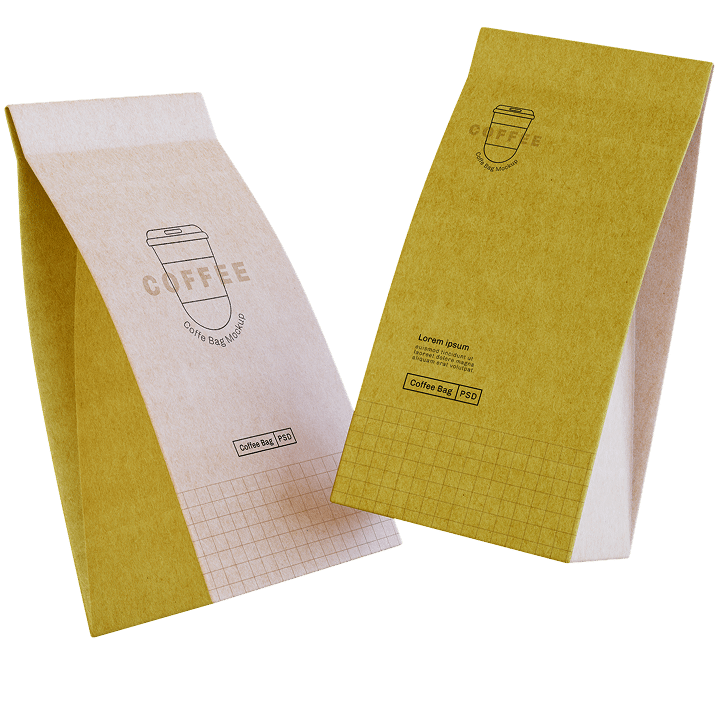
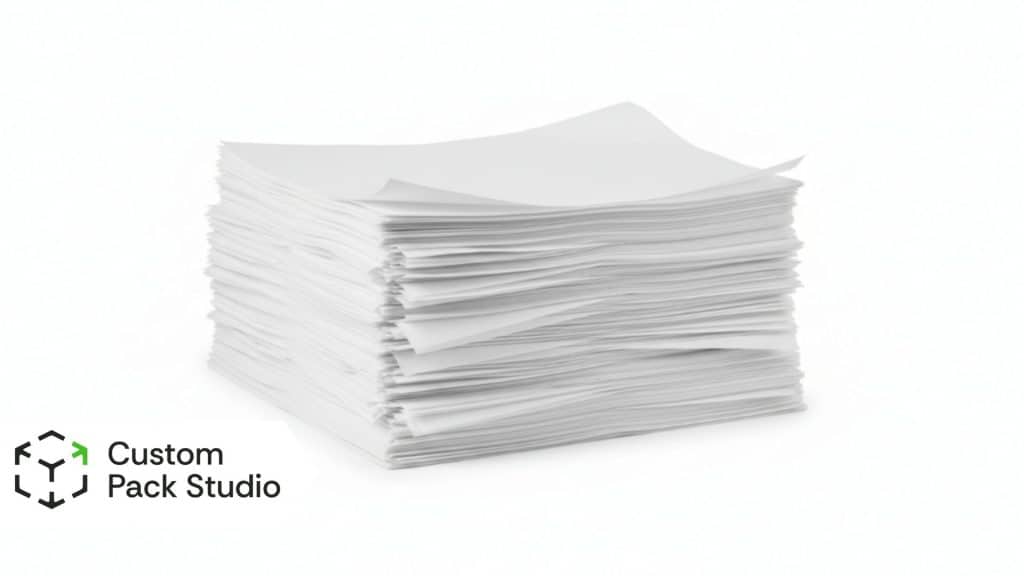
Packing paper is unprinted kraft paper (or sometimes newsprint-style paper) used to wrap products, fill empty space in boxes, and prevent items from shifting or rubbing against each other.
It comes in sheets or on rolls, and it’s the same material you’d use to wrap plates and glasses if you were moving house.
For e-commerce and product packaging, packing paper serves as a surface protector.
It prevents scratches, scuffs, and marks from contact between products or between a product and the box walls. When crumpled or scrunched, it also works as a void fill, preventing items from moving around inside the box during transit.
Custom tissue paper is a more premium version of the same idea.
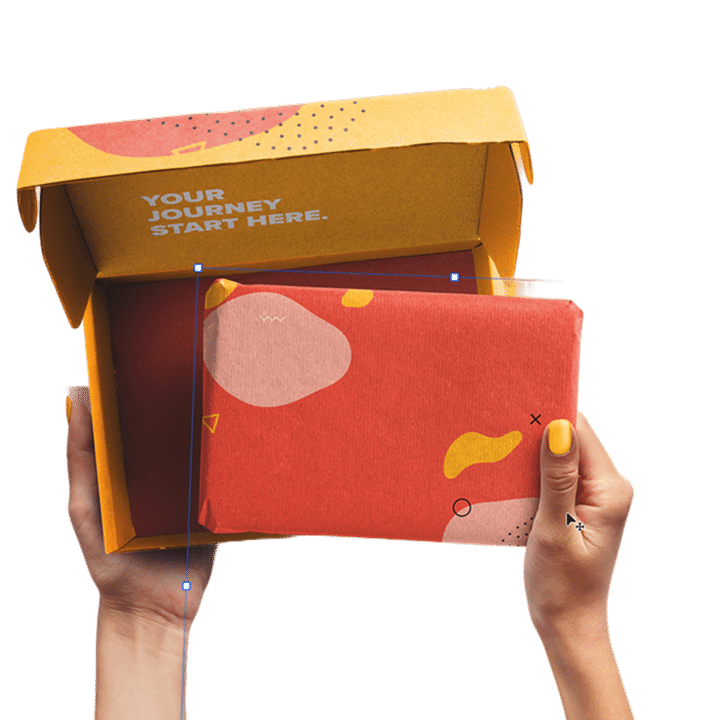
Branded tissue paper printed with your logo or pattern adds a layer of presentation to the unboxing while still serving a protective function. It’s lighter than kraft paper and provides less cushioning, but the branding value often justifies its use alongside sturdier packing materials.
Honeycomb paper wrap is a newer alternative that’s gained popularity with e-commerce businesses.
It’s a paper sheet die-cut with a honeycomb pattern that stretches to wrap around products, providing cushioning similar to bubble wrap but from a fully paper-based material. It looks distinctive and modern, which adds to the unboxing experience.
What is bubble wrap?
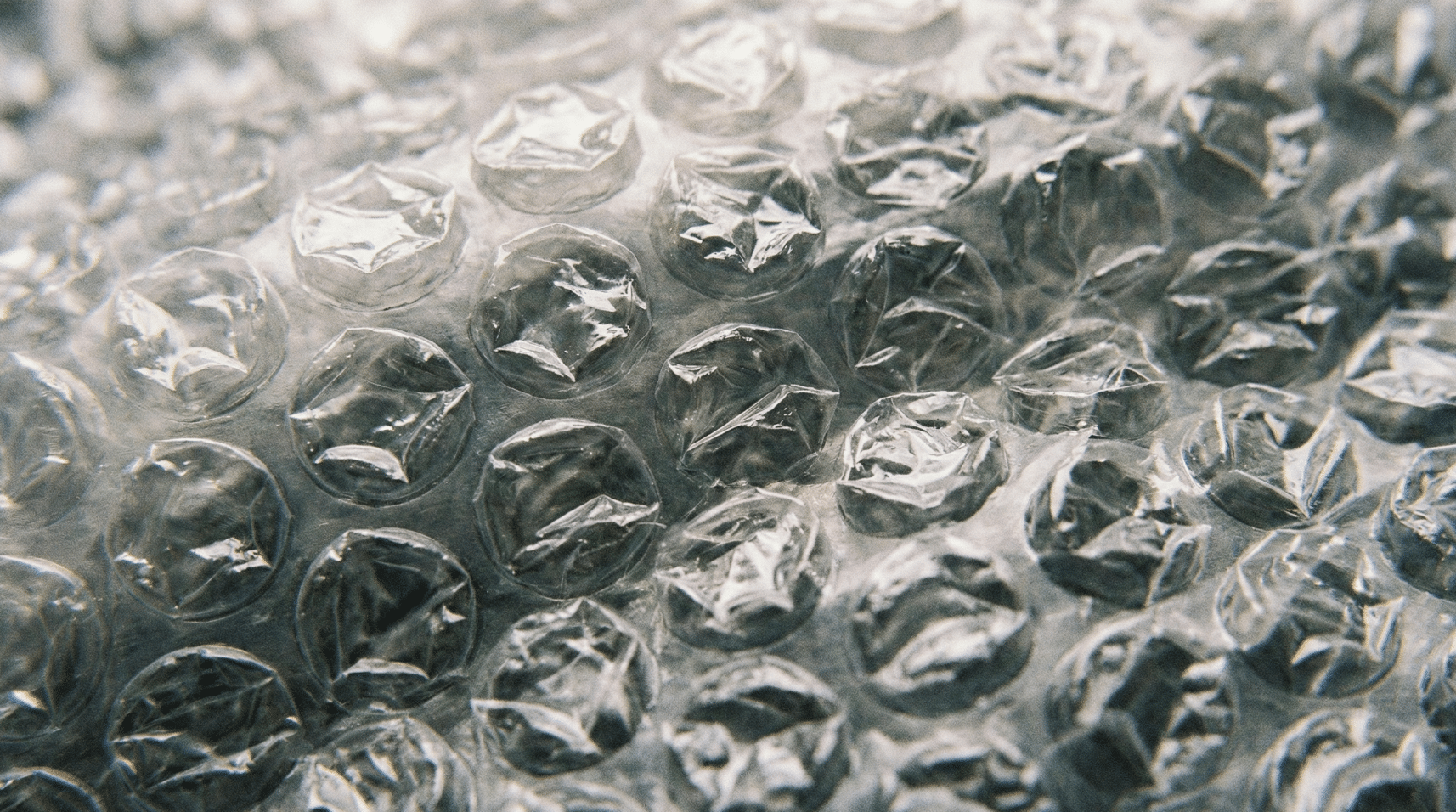
Bubble wrap is a plastic sheet with air-filled bubbles that provide cushioning against impacts.
The air pockets absorb shock when a box is dropped, thrown, or compressed, which makes bubble wrap effective at protecting fragile items during shipping.
Standard bubble wrap comes in small-bubble (10mm) and large-bubble (25mm) varieties. Small-bubble wrap provides surface protection and light cushioning, while large-bubble wrap offers more impact absorption for heavier or more fragile items.
Both types are lightweight, which helps keep shipping costs down.
Bubble wrap is the go-to protective material in most warehouse and logistics operations because it works reliably, it’s cheap, and every packer knows how to use it. The downside is that it’s plastic, it’s not recyclable through standard household recycling, and an increasing number of customers actively dislike receiving it.
How do they compare?
Protection
Bubble wrap provides better cushioning against impacts.
The air-filled pockets absorb shock from drops and compression in a way that paper can’t match.
If you’re shipping something that could break when dropped from waist height onto a hard floor (the standard courier handling test, roughly), bubble wrap gives you more margin of safety.
Packing paper is better at preventing surface damage: scratches, scuffs, marks from contact with other items or box walls.
Wrapping a product in paper protects its finish, but paper alone won’t absorb a significant impact. Crumpled paper as void fill provides some cushioning, but less than an equivalent volume of bubble wrap.
For most non-fragile products (clothing, packaged food, books, cosmetics, accessories), packing paper provides sufficient protection because the product itself isn’t vulnerable to impact damage.
For genuinely fragile items (glass, ceramics, electronics with screens), bubble wrap offers protection that paper doesn’t.
Environmental impact
This is where packing paper has a decisive advantage.
Paper is biodegradable, compostable, and recyclable through standard household recycling across the UK. When your customer opens their order, the paper goes straight in the recycling bin without a second thought.
Bubble wrap is plastic.
Standard bubble wrap is made from low-density polyethylene (LDPE), which is technically recyclable but not through household recycling bins in most UK councils. It needs to be taken to supermarket carrier bag collection points or specialist recycling facilities. In practice, most bubble wrap ends up in general waste and landfill.
If sustainability is part of your brand positioning, using plastic bubble wrap actively contradicts that message. Customers notice, and they increasingly care and reducing their plastic waste.
Cost
Packing paper is cheaper than bubble wrap per square metre.
A roll of kraft packing paper costs less than an equivalent roll of bubble wrap, and because paper compresses more efficiently, you get more coverage per roll.
Paper is also lighter, which can marginally reduce shipping costs on weight-sensitive deliveries.
Bubble wrap costs more per unit but arguably goes further for fragile items because you need less of it to achieve effective cushioning.
Wrapping a fragile item in a single layer of bubble wrap provides better protection than wrapping it in multiple layers of paper, so the material cost per protected item can balance out.
Custom tissue paper costs more than plain kraft paper, but serves a dual purpose (protection plus branding) that can replace the need for separate branded inserts or cards.
Customer experience
This is an underappreciated factor.
The void fill material a customer encounters when they open your box shapes their perception of your brand. Crumpled newspaper or generic bubble wrap says “warehouse.” Clean kraft paper or branded tissue paper says “we thought about this.”
Packing paper, particularly coloured or printed tissue paper, adds a layer of presentation that bubble wrap can’t match.
It creates the sense that the product inside has been carefully wrapped, which reinforces the feeling that the product is valuable and the brand pays attention to detail.
Honeycomb paper wrap hits a sweet spot: it’s visually distinctive, environmentally friendly, and provides reasonable cushioning. Customers recognise it as a considered alternative to plastic and respond positively.
Bubble wrap is functional but visually unexciting. It also creates waste that the customer has to deal with, which isn’t the last impression you want to leave.
Storage and handling
Packing paper stores more efficiently. A roll of kraft paper takes up significantly less space than a roll of bubble wrap because the paper lies flat while bubble wrap is inherently bulky.
For small businesses packing from limited workspace, this matters.
Bubble wrap is bulkier to store and can be awkward to cut and wrap neatly. It also has a tendency to unfurl and take over any workspace it’s left near, which anyone who’s worked in a packing area will confirm.
When to use packing paper
Packing paper is the right choice for products that need surface protection rather than impact cushioning. It works well for:
Clothing and accessories
Paper prevents items from shifting and keeps them flat and presentable. Tissue paper adds a branded layer that makes the unboxing feel premium.
Cosmetics and skincare
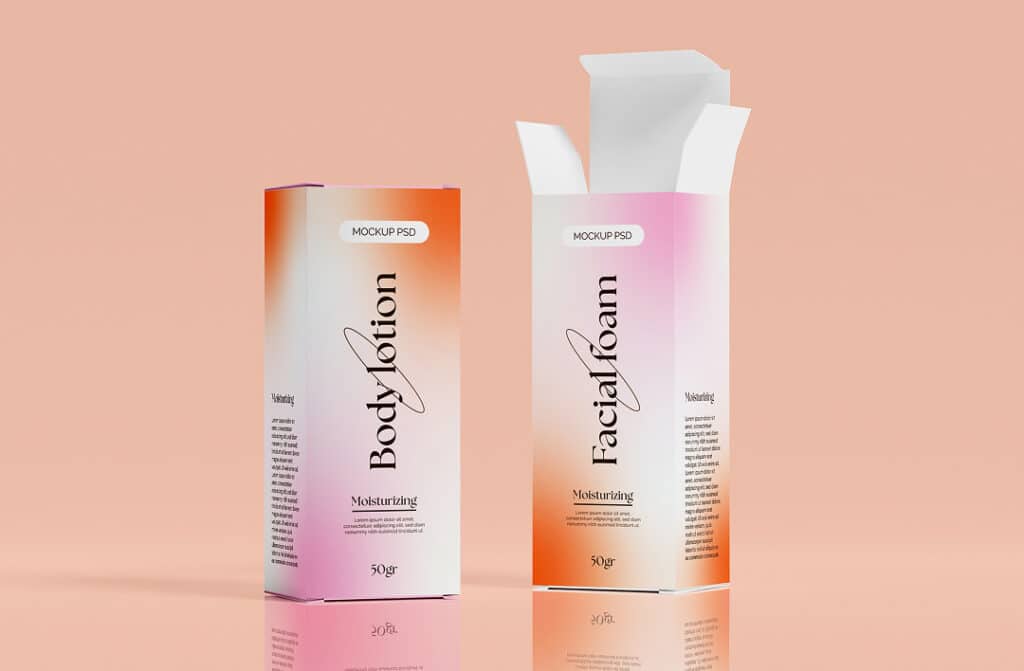
Products in their own rigid boxes don’t need impact protection, just something to stop them rattling around. Paper does this effectively while keeping the box interior looking clean.
For an extra luxurious feel, consider adding foil stamping or embossing to your packaging products.
Packaged food
Paper is food-safe, recyclable, and creates the right impression for artisan or premium food products. It’s also the more practical choice for food businesses because it avoids any concern about plastic contamination.
Subscription boxes
Where presentation matters as much as protection, paper (especially branded tissue paper) creates the curated, considered look that subscribers expect.
When to use bubble wrap
Bubble wrap is the right choice when the product is genuinely fragile and impact protection is the priority:
Glass and ceramics
Anything that could shatter needs bubble wrap (or a paper-based alternative with similar cushioning properties). Paper alone isn’t sufficient.
Electronics
Screens, lenses, and sensitive components benefit from the impact absorption that air-filled bubbles provide.
Irregularly shaped fragile items
Bubble wrap conforms to shapes that rigid packaging inserts can’t accommodate, making it useful for oddly shaped breakables.
Can you use both?
Yes, and for fragile products, using both together is often the best approach.
Wrap the product in packing paper first to protect the surface, then wrap that in bubble wrap for impact cushioning.
The paper prevents the bubble wrap’s plastic texture from directly contacting the product (which matters for polished or painted surfaces), and the bubble wrap provides the shock absorption.
For businesses that want to avoid plastic entirely, honeycomb paper and corrugated paper inserts can replace bubble wrap for many applications, though they don’t quite match bubble wrap’s cushioning performance for very fragile items.
Frequently asked questions
Is packing paper cheaper than bubble wrap?
Yes, per square metre, packing paper costs less than bubble wrap. It’s also lighter, which can reduce shipping costs. For non-fragile products where impact cushioning isn’t needed, paper is the more cost-effective choice.
Can packing paper protect fragile items?
Paper protects against scratches and surface marks, but it doesn’t absorb impact the way bubble wrap does. For genuinely fragile items like glass or ceramics, you’ll need bubble wrap or a paper-based alternative with cushioning properties (honeycomb paper, crumpled paper in volume).
Is bubble wrap recyclable?
Standard bubble wrap is made from LDPE plastic, which is technically recyclable but not through household recycling bins in most of the UK. It can be recycled at supermarket carrier bag collection points. In practice, most bubble wrap ends up in general waste.
What’s the most eco-friendly void fill option?
Plain kraft packing paper and honeycomb paper are the most sustainable options. Both are paper-based, recyclable through household recycling, biodegradable, and compostable. Custom tissue paper is similarly eco-friendly and adds a branded element.
Can I brand my void fill materials?
Yes. Custom tissue paper printed with your logo or pattern is one of the most popular branded void fill options. Printed packing tape (which seals the box rather than fills it) also adds branding. Both turn functional packaging elements into brand touchpoints.
Need help with your packaging materials?
If you are needing advice on difference packaging materials or how to enhance your products with custom packaging, Custom Pack Studio is here for you.
We produce a full range of bespoke packaging solutions that are perfect for your brand and products. Any time you need advice or have any questions, we are here for you.
Get a free quote or call us on 01294 314 919.