





The UK supplement industry is growing fast.
Sales of vitamins, minerals, and protein powders have climbed year on year, and the products and packaging have kept pace.
Millions of plastic bottles, blister packs, and sachets are produced globally every year to hold food supplements, creating a huge amount of plastic waste.
This guide covers what sustainable supplement packaging looks like, the materials available, and how to make the switch without compromising on product protection or shelf life.
Why eco-friendly supplement packaging matters for sustainability
Ethical factors
The UK generates around three million tonnes of packaging waste from plastic every year.
Less than a quarter of it gets recycled. The rest goes to landfill, incineration, or ends up in the environment, adding to landfill waste that takes centuries to break down.
Commercial influences
But this is not just an environmental argument. It is a commercial one.
Brands that stick with non-recyclable packaging are about to face higher costs with the UK’s Extended Producer Responsibility (EPR) regulations.
If your supplement packaging cannot be easily processed through kerbside collection, you will pay for it through higher EPR fees.
Consumer pressure
Your customers are buying products to look after their bodies, and many of them want to look after the planet at the same time.
Sustainable packaging enhances brand reputation, and gives you a genuine point of difference on the shelf.
It is a practical solution that protects both product quality and the planet.
Environmental impact of traditional product packaging and plastic use
Many supplements are packaged in HDPE or PET plastic bottles with polypropylene caps and foil seals. The combination of different plastic types in a single container makes recycling difficult.
Blister packs are even harder to recycle. Most go straight to landfill.
The aluminium and plastic laminate that makes them so good at protecting individual tablets also makes them almost impossible to separate at a recycling facility.
Sachets and stick packs often use multi-layer films with a mix of plastic, aluminium, and paper. Again, the combination of materials means they cannot be recycled through standard kerbside collection.
Eco-friendly packaging materials and sustainable packaging options
Switching to eco-friendly packaging does not mean accepting lower quality or weaker product protection.
Modern eco-friendly materials can match or beat traditional packaging on barrier properties while being genuinely better for the environment.
Here is a range of supplement packaging materials designed with sustainability in mind.
Recyclable mono-material pouches
Mono-material pouches are made from a single type of plastic rather than a laminate of different materials. This makes them easier to recycle.
Resealable mono-material pouch packaging still offers good barrier properties against moisture and oxygen, which is what supplements are designed to need for maintaining shelf life and potency.
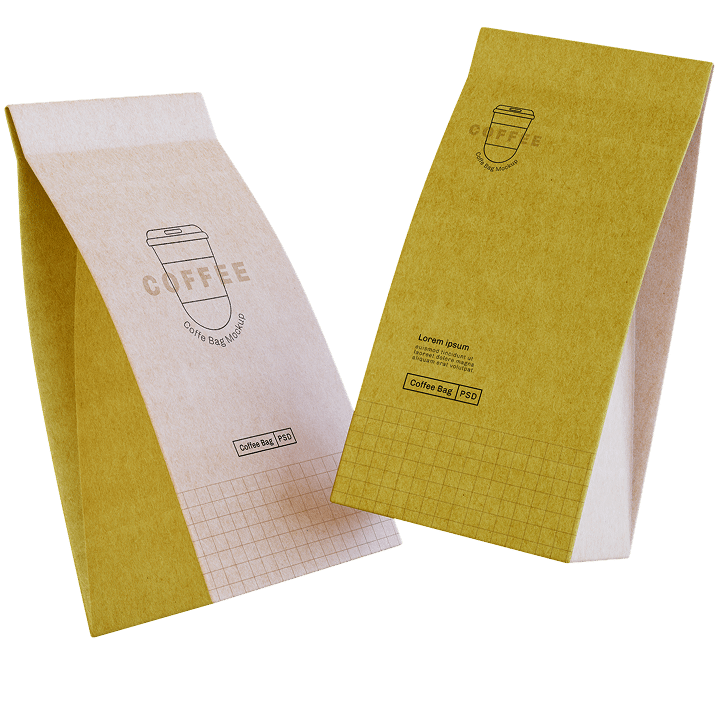
Kraft and paper-based packaging
Paper-based packaging made from FSC or PEFC certified sources is renewable, recyclable, and compostable.
These work well for supplements that do not need a high moisture barrier, such as capsules and tablets in inner blister strips.
For powders and loose products, paper packaging can be lined with a thin recyclable barrier layer to keep out moisture, all while having a relatively low environmental impact.

Compostable films and pouches
Compostable packaging breaks down in industrial composting facilities, leaving no harmful residue.
This can be a good option for vitamins and certain powder supplements.
Recycled plastics (rPET and rHDPE)
If your supplement still needs a rigid bottle or jar, using recycled plastic reduces the demand for virgin material and minimises plastic use overall.
rPET and rHDPE can reduce waste by almost 30% compared to virgin equivalents, and they meet the same quality standards as new plastic.
The bottles look and perform the same, but the environmental footprint is significantly smaller.
Glass and aluminium
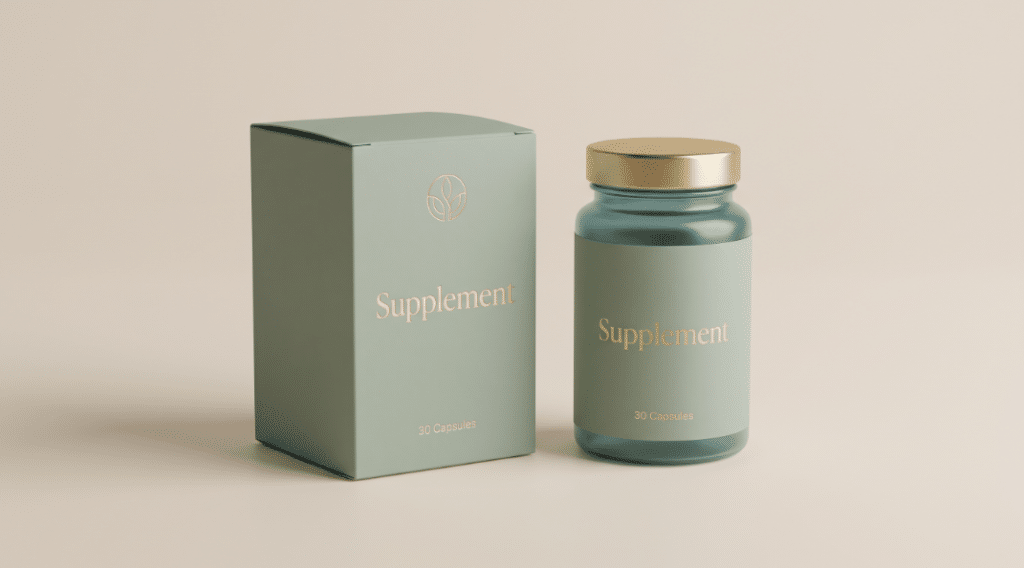
Glass jars are endlessly recyclable, reusable, and offer excellent barrier properties against moisture, oxygen, and light.
They suit premium supplement brands where the weight and feel of the container are part of the brand experience, and they can be visually appealing on a shelf.
Aluminium tins and containers are also infinitely recyclable and are lighter than glass. This makes them more practical for shipping and e-commerce.
The one thing to bear in mind is your distribution channels when using glass and aluminium.
We recommend a sturdy custom packaging carton to protect glass in transit, and also help aluminium packages stand out on the shelf.
These items are great for incorporating child resistant lids to keep away from children.
UK regulations you need to know
If you are selling supplements in the UK, your packaging needs to comply with several regulations.
Some of these are tightening, and sustainable packaging puts you ahead of the curve.
Extended Producer Responsibility (EPR)
The UK’s EPR scheme makes producers financially responsible for the end-of-life management of their packaging.
Packaging that is easy to recycle through kerbside collection will attract lower fees.
Packaging that is difficult to recycle, like multi-material laminates and blister packs, will cost more.
Switching to recyclable or compostable packaging now means lower EPR costs when the full scheme takes effect.
Plastic Packaging Tax
Since April 2022, packaging containing less than 30% recycled plastic is subject to a tax of over 200 pounds per tonne.
If your supplement bottles use virgin plastic, you are already paying this.
Switching to rPET, rHDPE, or non-plastic alternatives removes the liability entirely.
Food supplement labelling
Supplements are classified as food products under UK law.
This means food supplement packaging must comply with food contact material regulations and meet safety standards for direct contact with ingestible products.
This applies to compostable films, recycled plastics, and paper-based materials alike.
Quality control during manufacturing is just as important as the choice of material, because any contamination or failure in the packaging can affect the quality and effectiveness of the supplements inside.
Switching to eco-friendly nutritional supplement packaging
Making the move does not have to be complicated.
Choosing the right packaging for your brand is easier than you think, and here is a practical approach that works for supplement brands of any size.
Review your current packaging
Review your current product packaging from the inside out: the primary container, the closure, the label, any inner packaging, and the outer mailing boxes or shipping cartons.
Which elements already use recyclable or eco-friendly materials? Which do not?
This gives you a clear picture of where the biggest improvements can be made and helps you prioritise where to start.
At Custom Pack Studio, we are continually reviewing our own processes as a part of our commitment to being environmentally friendly. If you ever need guidance or help, we would be delighted to guide you through some of your own options in a consultation.
Prioritise by impact
You do not have to change everything at once. Little by little makes huge differences.
Start with the component that generates the most waste or attracts the highest EPR fees.
For many brands, that means the primary container or the outer packaging (switching from plastic mailers to recyclable cardboard).
Test with your product
Before committing to a full run, test the new packaging with your actual product.
Check shelf life, moisture levels, and how the packaging performs during shipping.
We offer short runs with no minimum order, so you can trial sustainable packaging options before scaling up.
Update your claims
Once you have switched, update your packaging, website, and marketing to reflect the change.
Be specific about what has changed and why.
Carbon-conscious customers appreciate honesty, and clear sustainability messaging builds trust and customer loyalty. Sustainable practices are not just about the materials you use but the story your brand tells about them.
Custom printed sustainable packaging solutions for supplements
Sustainable does not mean plain.
Modern printing techniques work just as well on recyclable and compostable packaging materials as they do on traditional substrates.
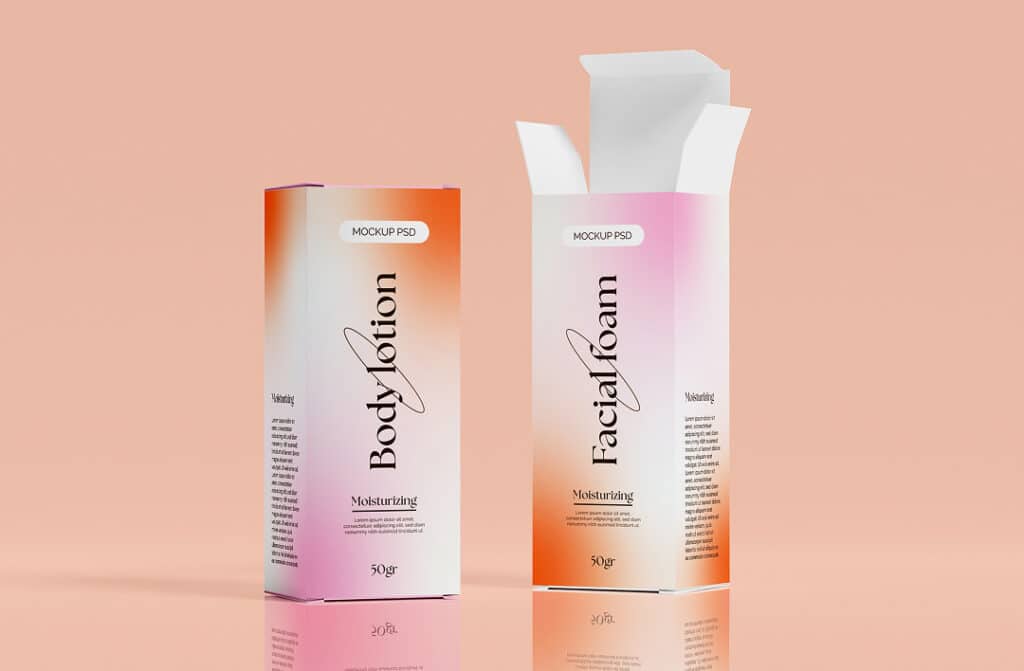
You can have full-colour custom printed packaging with your brand logo, nutritional information panels, and regulatory text on kraft pouches, recyclable films, and paper-based cartons without compromising recyclability.
We offer a variety of sizes and colours, so your food supplement packaging can look exactly the way you want it to while meeting quality standards for sustainability.
Sustainable supplement packaging FAQ
Will sustainable packaging protect my supplements as well as plastic?
Yes, if you choose the right material for your product. Modern recyclable and compostable films can match traditional packaging materials on moisture barrier, oxygen barrier, and light protection.
Packaging helps protect active ingredients from external factors like humidity and UV exposure. The key is working with a supplier who understands both the material options and your specific packaging needs.
Are pouches more sustainable than bottles?
Generally, yes. Pouches use up to 75% less material than rigid bottles, produce less waste, and generate lower carbon emissions during transport because they are lighter.
A recyclable mono-material pouch is one of the most sustainable supplement packaging formats available right now.
Get a sustainable, plastic-free packaging solution for your supplement brand with Custom Pack Studio
At Custom Pack Studio, we are proud to help supplement brands across the UK switch to packaging that works for their product and for the planet.
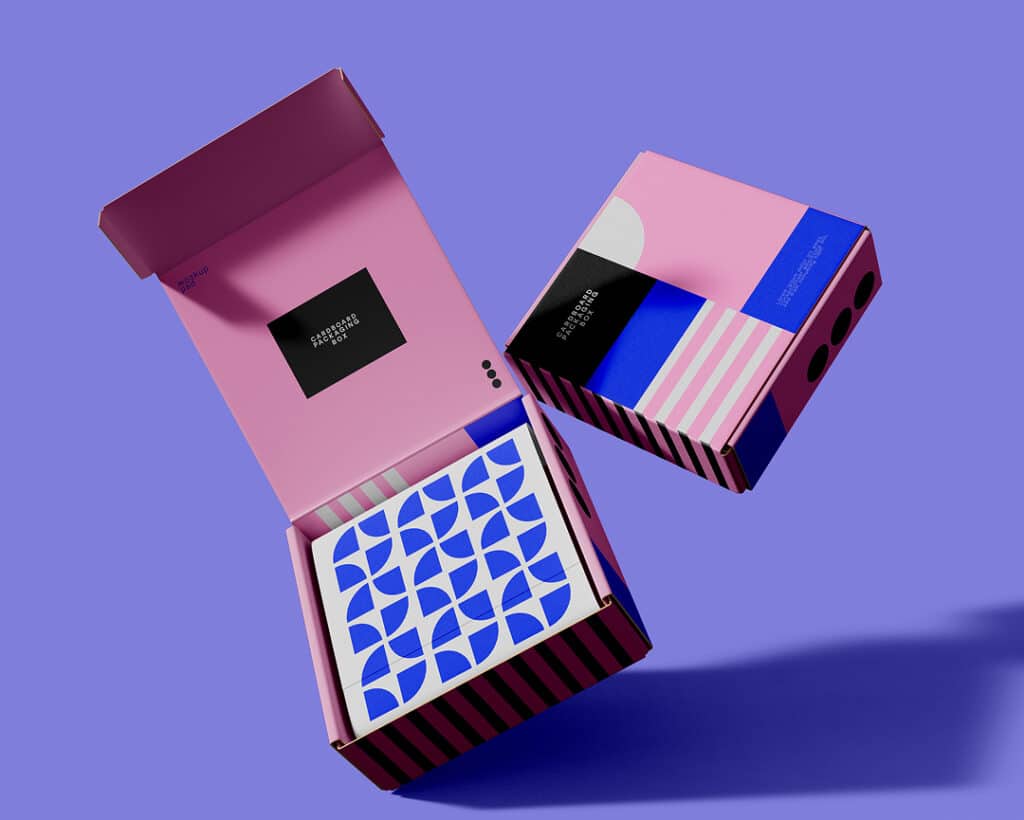
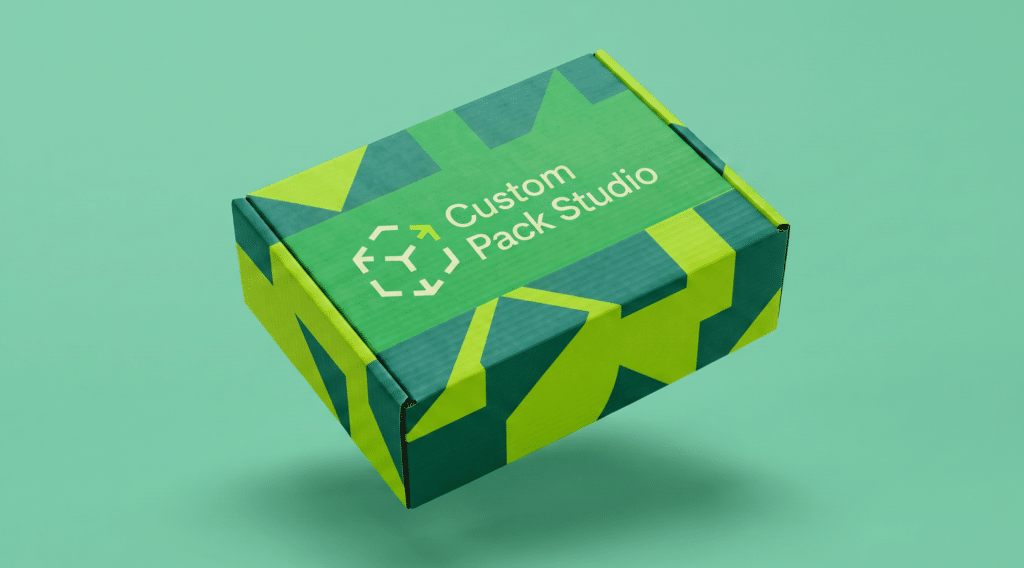
We supply, design and print custom recyclable boxes, cartons, mailer boxes and sleeves which help show your customers your commitment to the environment.
If you are looking for a small change that makes a big difference, contact our friendly team today on 01294 314 919 for a free consultation.